In a time when the United States faces significant international challenges, the role of the Defense Secretary has come under scrutiny, particularly regarding communication with the media. Recently, Secretary of Defense Pete Hegseth made headlines by implementing a ban on press photographers during Pentagon briefings concerning the ongoing military conflict involving Israel and Iran.
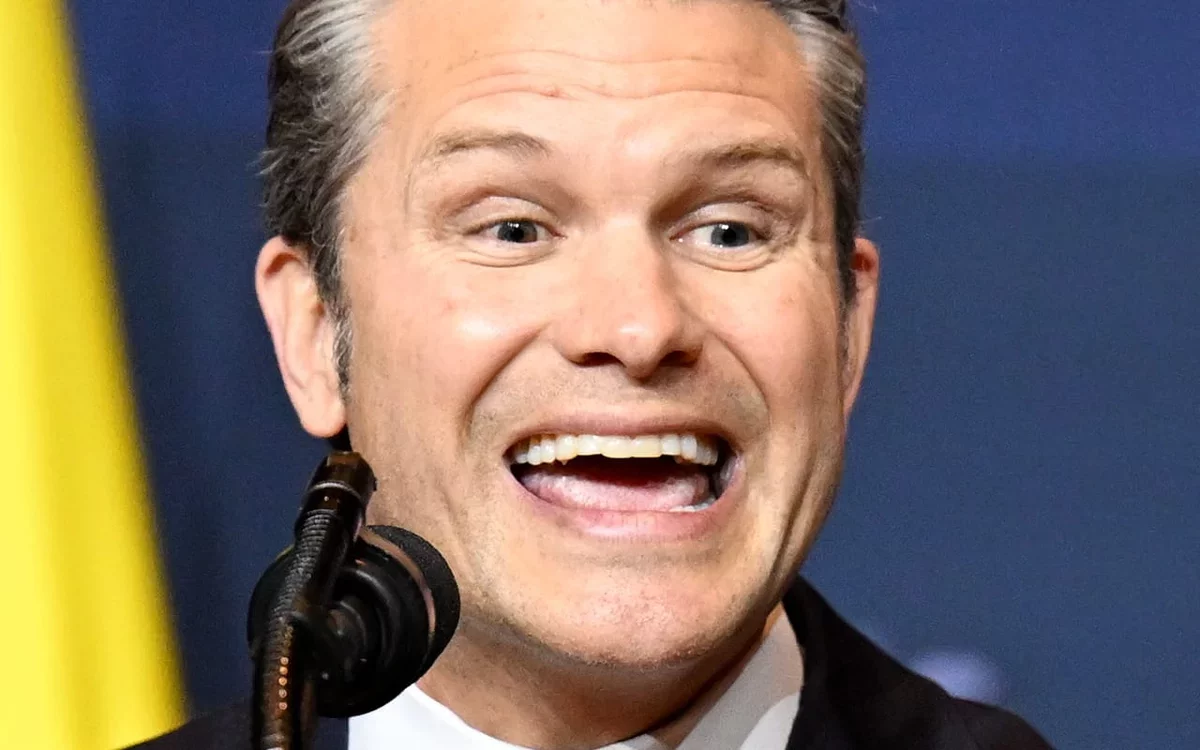
This decision, reported by the Washington Post, follows a series of unflattering images that emerged after Hegseth's first press briefing since last June. The Secretary's response to these images has raised eyebrows, as it appears to prioritize image management over transparency.
In a statement issued on March 11, Pentagon press secretary Kingsley Wilson clarified the new protocol, stating, "To optimize space in the Pentagon Briefing Room, we are allowing one representative per news outlet if uncredentialed, excluding pool." He added that photographs from the briefings would still be made available online for public and press use.
This shift in policy comes at a time of heightened military activity in the Middle East, prompting questions about the balance between national security and the public's right to information. While the importance of accurate reporting during such tumultuous times is undeniable, the concern arises about whether restricting media access serves the greater good.
As the world watches, the implications of this decision extend beyond the immediate concerns of image control. It reflects a broader trend in communication strategies within government entities, raising questions about the future of media relations and public discourse in the digital age.
Ultimately, how this development shapes the relationship between the military and the press could redefine the landscape of information sharing, emphasizing the need for transparency in governance.