Iran has officially announced its decision to withdraw from the Venice Biennale, the prestigious international art exhibition that showcases artistic innovation and cultural dialogue. This development occurs against the backdrop of escalating tensions involving the United States and Israel.
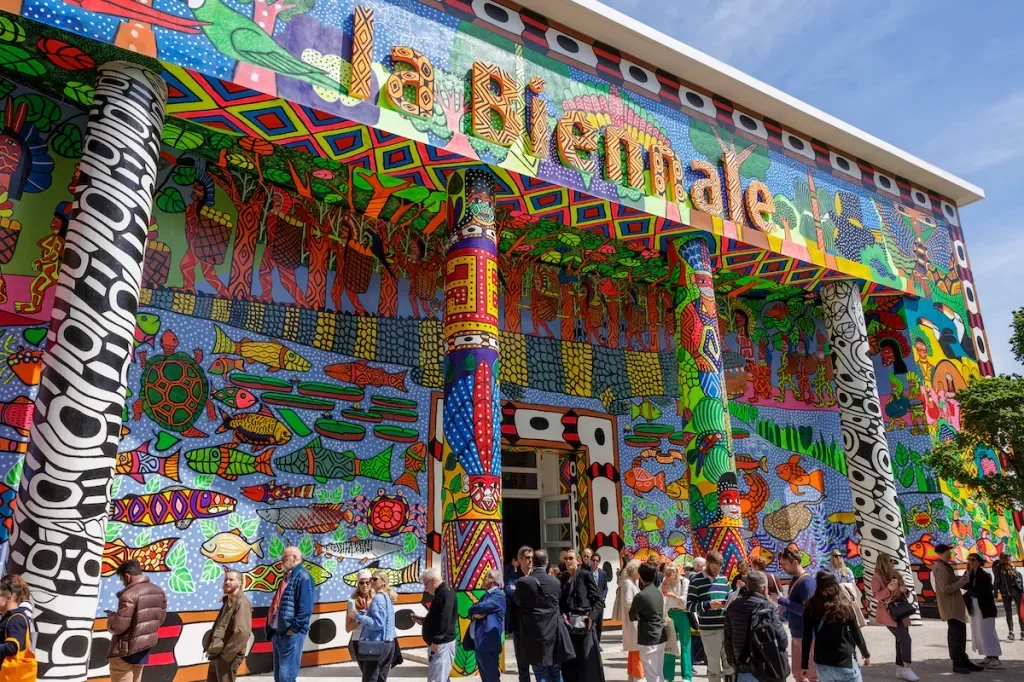
In a statement regarding the 61st International Art Exhibition, titled In Minor Keys, which runs from May 9 to November 22, 2026, La Biennale confirmed that the Islamic Republic of Iran will not be participating this year. This decision reduces the number of nations represented at the event from 101 to an even 100.
While the Biennale did not provide specific reasons for Iran's withdrawal, it is noteworthy that Iran is currently the only country listed without artist representatives on the exhibition's official website. Aydin Mahdizadeh Tehrani is designated as the pavilion's commissioner.
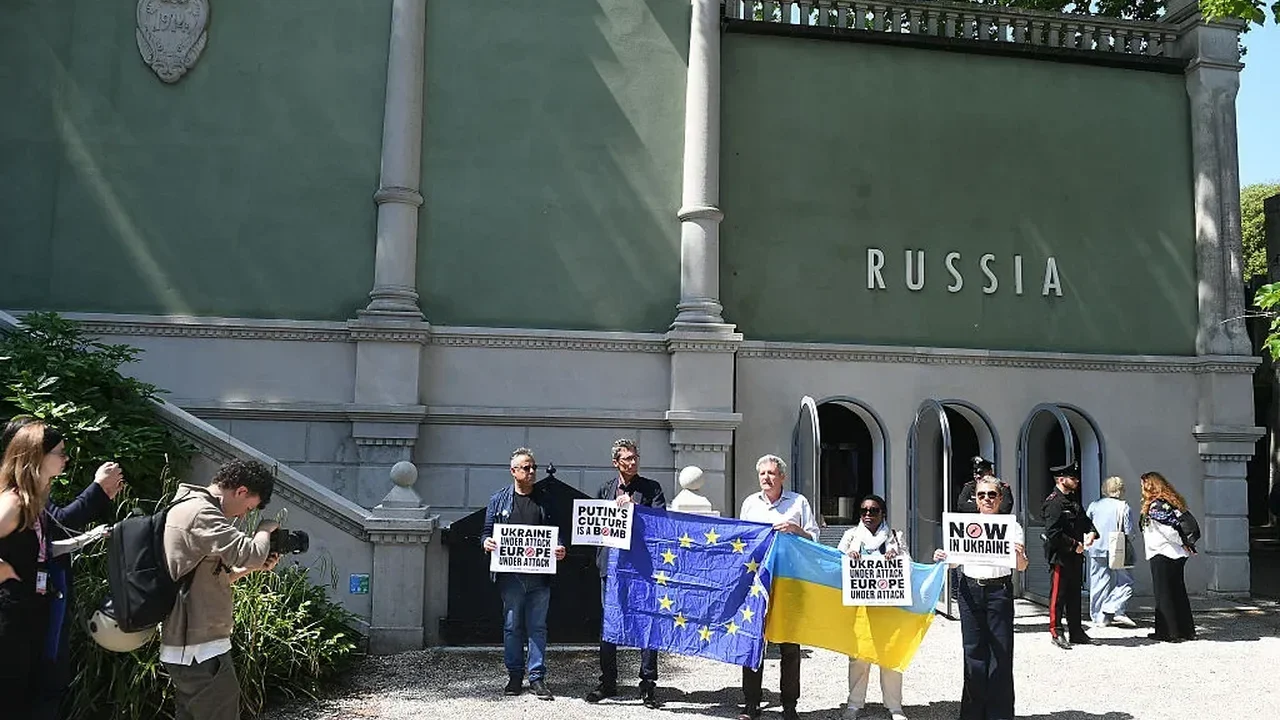
This withdrawal adds to the complexities surrounding the Biennale, which is set to open to the press this week amid significant controversy. Recently, the exhibition faced a notable challenge when its jury resigned en masse, citing their decision to step down. The jury had previously expressed that it would not consider nations accused of crimes against humanity by the International Criminal Court, which would have excluded both Israel and Russia from contention for the prestigious Golden Lion awards.
With the absence of a jury, the Biennale has announced that award selections will be made through a public vote this year. Meanwhile, the pavilions representing Israel and Russia have sparked considerable debate, with calls from politicians, artists, and participants urging the Biennale to reconsider their inclusion. However, the Biennale has stated it lacks the authority to remove a country recognized as a state in Italy.
As the Venice Biennale continues to navigate these challenges, the art world watches closely. This situation highlights the intersection of art and global politics, raising questions about the role of cultural institutions in times of conflict. The future of international exhibitions may see a shift towards greater inclusivity and dialogue as artists and nations grapple with their identities in a complex world.