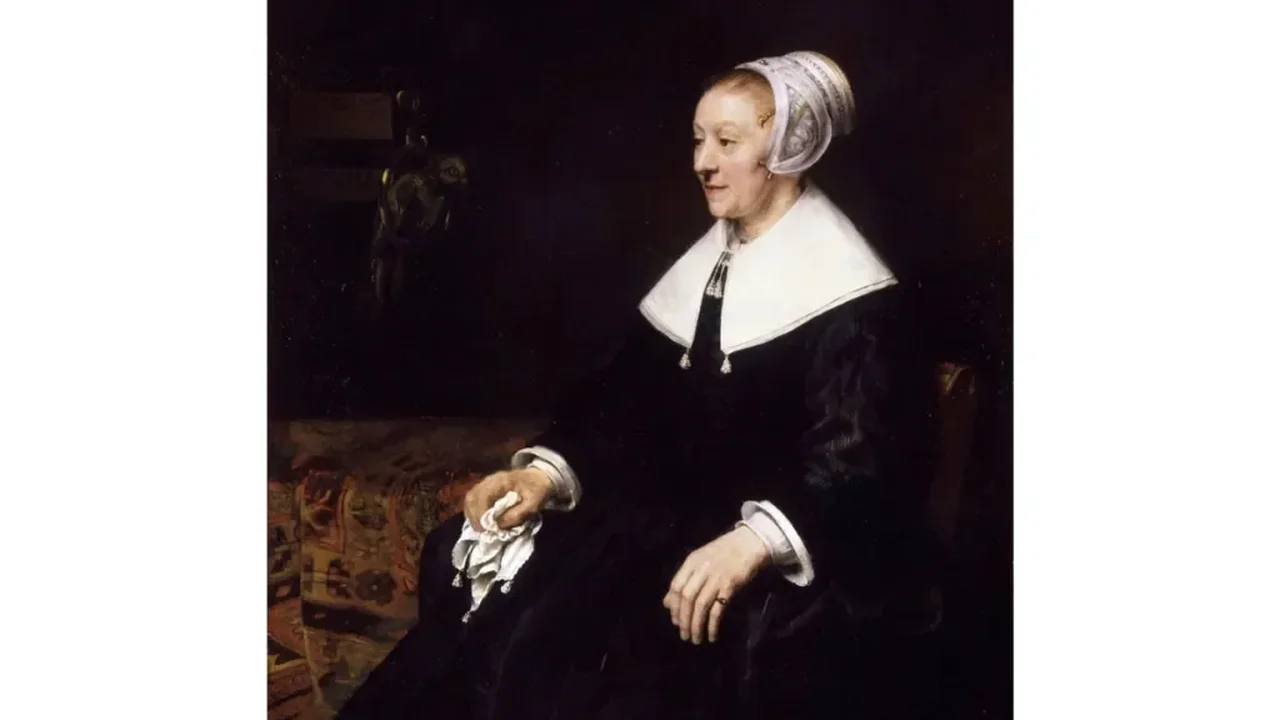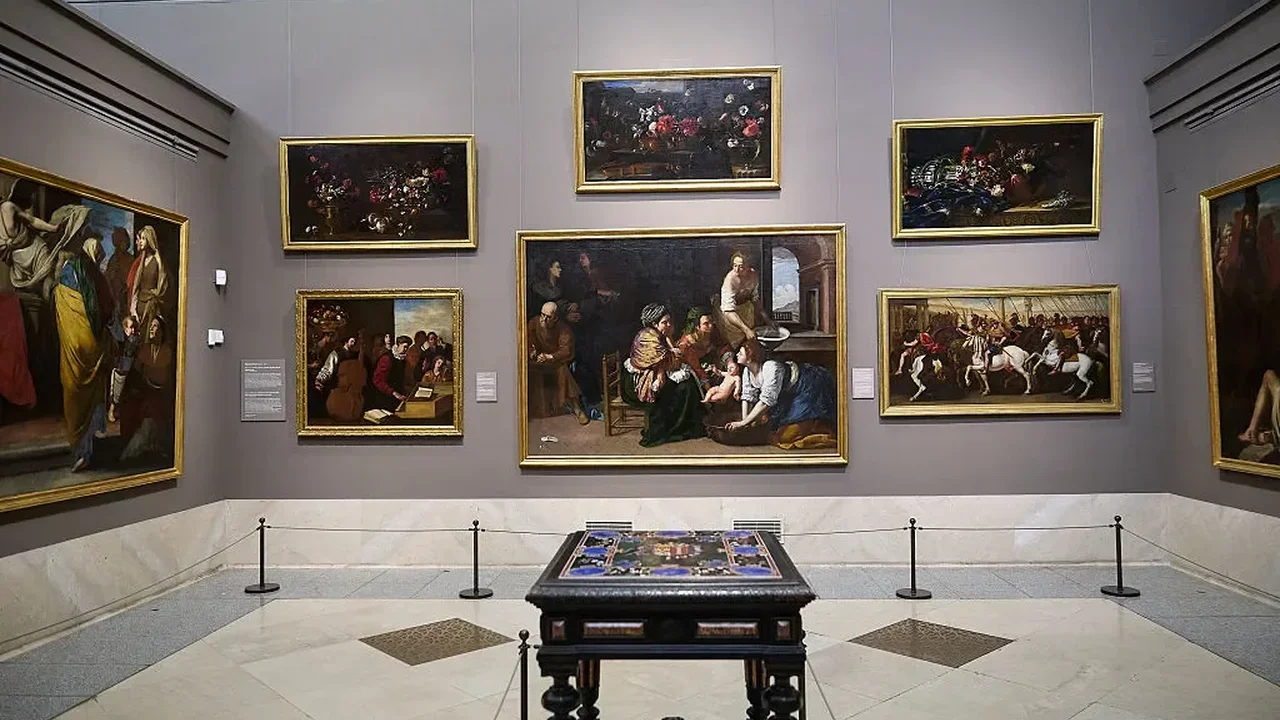
Across museums and archaeological sites, new tools are reshaping how culture is experienced and understood. In Madrid, the Prado Museum has introduced an AI-driven audiovisual installation that reimagines how an eclipse changes the atmosphere of some of its best-known paintings, blending digital art with classical heritage.
In London, Sid Motion Gallery, a South London space founded in 2016 to champion emerging and mid-career artists, will close this fall after 85 exhibitions. Founder Sid Motion said the decision was made deliberately, allowing the gallery to end on a strong note while its program and finances remain healthy.
Meanwhile, researchers have recovered ancient human DNA from cave walls in Spain and Portugal, including material from painted and unpainted surfaces across 11 sites. The findings may help identify which ancient populations used specific caves and deepen understanding of the people connected to prehistoric art, including possible links to Neanderthals.
Elsewhere in the cultural world, the Cultural Center of the Philippines named Carlos Quijon Jr. chief curator of its contemporary art museum ahead of a planned reopening next year, while the V&A in London secured two paid breaks for staff at a collections site. In Lima, archaeologists uncovered remains of a colonial-era hospital and church in the historic center, adding another layer to the city's long architectural story.
These developments point to a future where heritage, technology, and research work more closely together to expand how culture is preserved, presented, and shared.