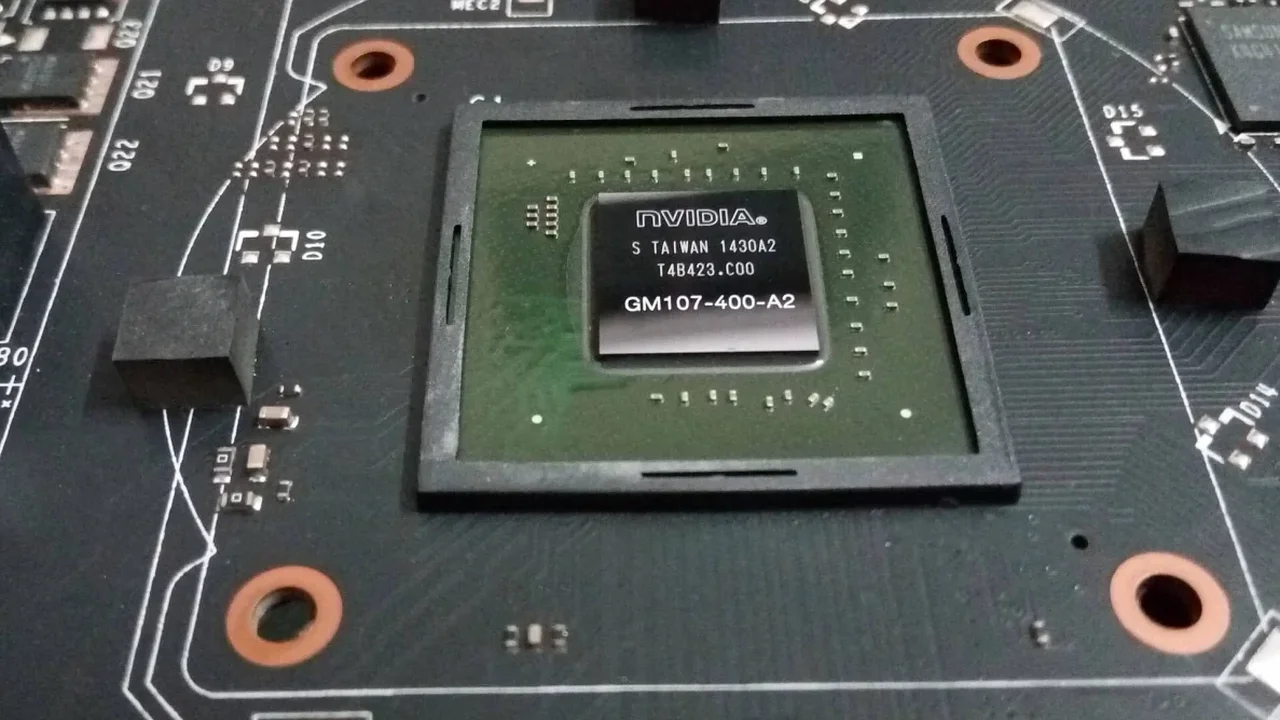
China's self-driving industry is preparing for a future in which access to Nvidia chips may become more constrained. Pony.ai CFO Leo Wang says companies have been developing alternative approaches for several years.
Pony.ai is focusing on two strategies: making its AI training models more efficient, including using mid-range computing resources where possible, and expanding its use of domestically produced chips. Wang says local chip development offers another option for training autonomous-driving systems, although it may not yet match the cost-effectiveness of leading alternatives.
The approach could help companies manage computing demand while broadening the supply options available to the sector. Over time, more efficient software and maturing domestic hardware may make autonomous-driving development more resilient.