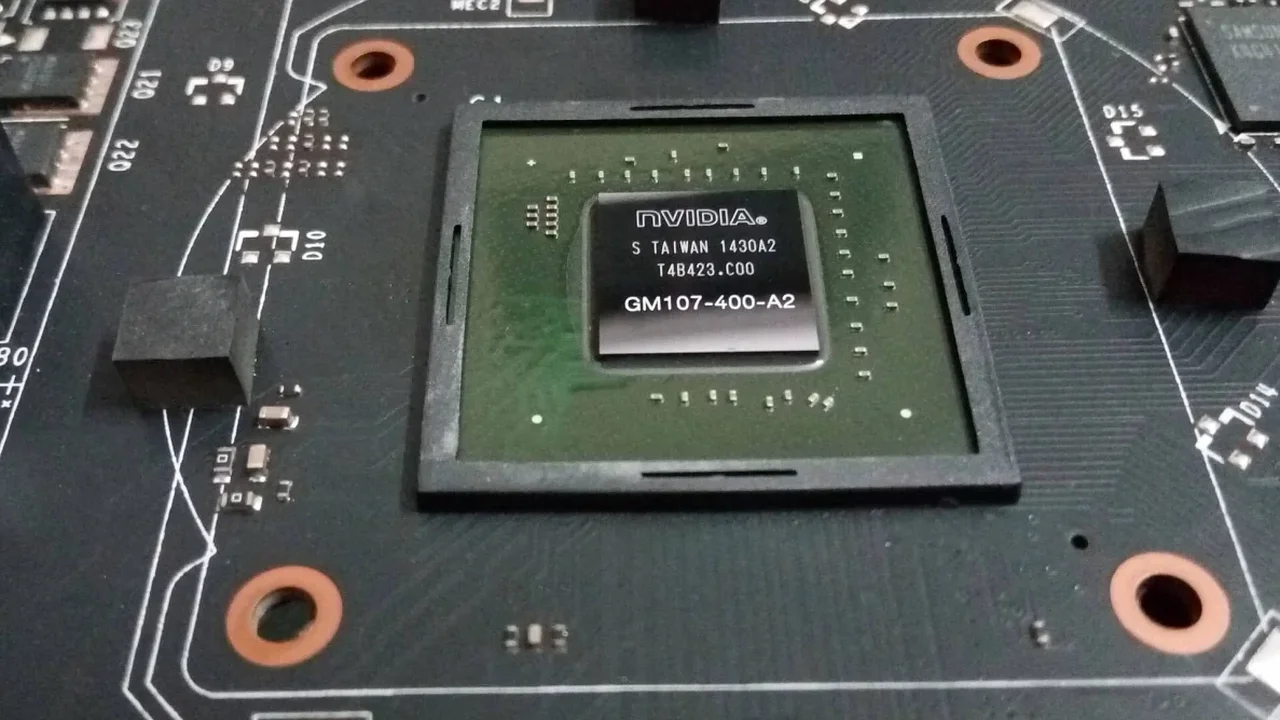
Graphics processing units (GPUs) were first developed to render images and support video games. Their ability to carry out many calculations at once has since made them a key part of artificial intelligence, especially the training of large neural networks.
Parallel processing power
While a central processing unit (CPU) handles a range of complex tasks, a GPU is designed to perform many similar calculations in parallel. That makes GPUs well suited to the repeated matrix operations used to train AI systems.
From graphics to AI
A major step beyond graphics came in the early 2000s, when researchers at Stanford University developed tools for using GPUs in broader computing tasks. Nvidia built on this approach with CUDA, a software platform released in 2007 that enabled developers to program GPUs for scientific and general-purpose workloads.
In 2012, AlexNet--a neural network trained on Nvidia GPUs--performed strongly in the ImageNet image-recognition challenge. The result helped demonstrate how GPU computing could advance machine learning, encouraging wider adoption among AI researchers.
As AI workloads grew, chipmakers added features such as hardware optimized for matrix calculations, faster memory and support for lower-precision operations. Nvidia's combination of chips and a well-established software ecosystem helped it gain a leading position. Competitors include AMD and Google, whose tensor processing units are designed for AI tasks.
Growing demand, more competition
The rise of transformer-based systems has driven companies to build larger models and data centers, increasing demand for advanced processors. At the same time, energy needs, hardware supply and competition from companies developing their own chips are shaping the market.
As AI continues to expand, advances in chip design and software could make powerful computing more efficient and accessible, influencing how future digital services are built.