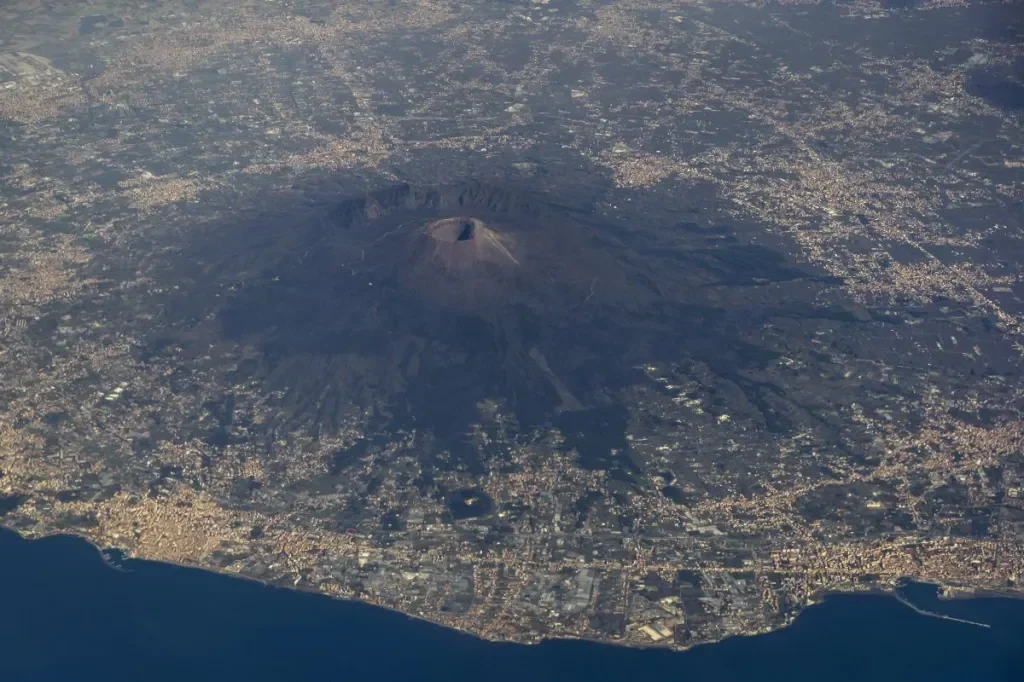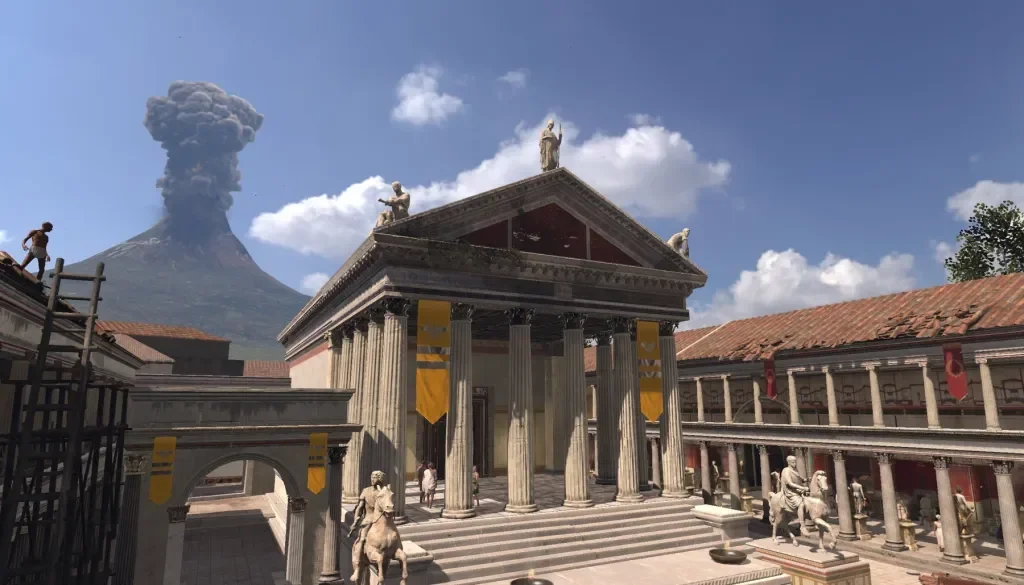
In 79 AD, the catastrophic eruption of Mount Vesuvius unleashed a torrent of ash and gas upon the ancient city of Pompeii. Pliny the Younger, who witnessed the disaster from a distance, documented the harrowing experiences of the townspeople, who sought refuge by covering their heads with pillows and lighting torches in the enveloping darkness.
Recently, archaeologists unearthed the remains of two individuals who perished during this volcanic event, located near Pompeii's southern gates. The first skeleton, believed to be a young man, appears to have succumbed to a pyroclastic surge, a deadly mix of superheated gas and ash capable of causing severe thermal injuries.
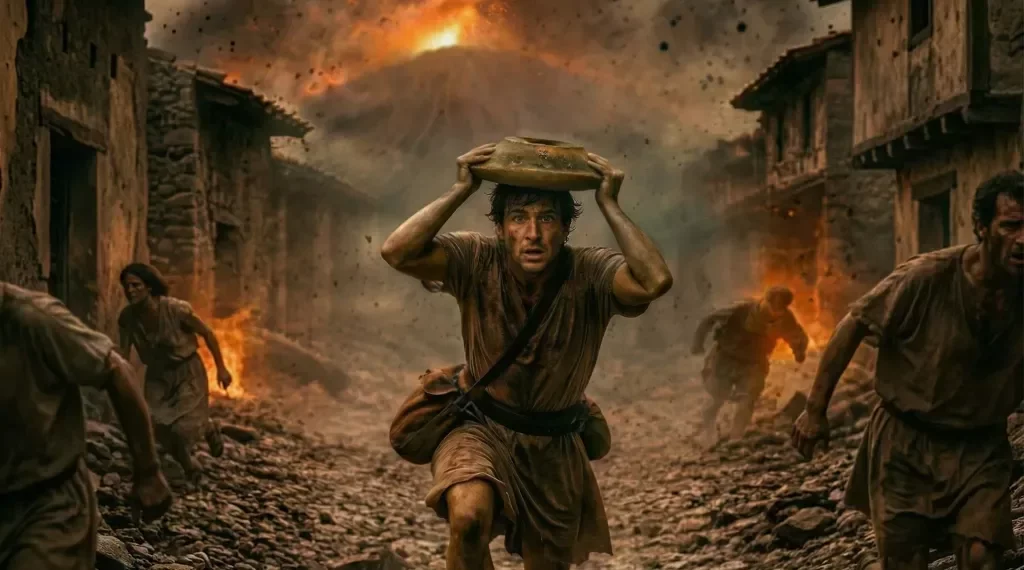
In a striking parallel to Pliny's historical account, the second skeleton, belonging to an older man, was discovered alongside a terracotta bowl. Researchers speculate that he might have attempted to shield himself from falling debris, known as lapilli. His remains were also found with an oil lamp and ten bronze coins, indicating he fled with resources to navigate the chaos and protect himself from harm.
Now, in a groundbreaking collaboration with the University of Padua, the Pompeii Archaeological Park has utilized advanced image-generation and editing technologies to recreate the final moments of this individual. This innovative approach not only enhances our understanding of ancient life but also preserves the rich archaeological heritage of Pompeii.
Italian Culture Minister Alessandro Giuli emphasized the role of classical culture in fostering innovation, stating, "In Pompeii, artificial intelligence aids in protecting our vast archaeological heritage while also providing engaging narratives of ancient life." This initiative represents a fusion of technology and history, allowing us to glimpse the past in unprecedented ways.
As we continue to explore the potential of AI in archaeology, such advancements promise to deepen our appreciation of historical events and their human impact, paving the way for a future where technology and heritage coexist harmoniously.