As more publishers move toward subscription models, paywalls have become a defining feature of the modern web. With advertising revenue under pressure, many media outlets now combine free access with paid tiers to support their work and sustain digital journalism.
How readers approach paywalled content
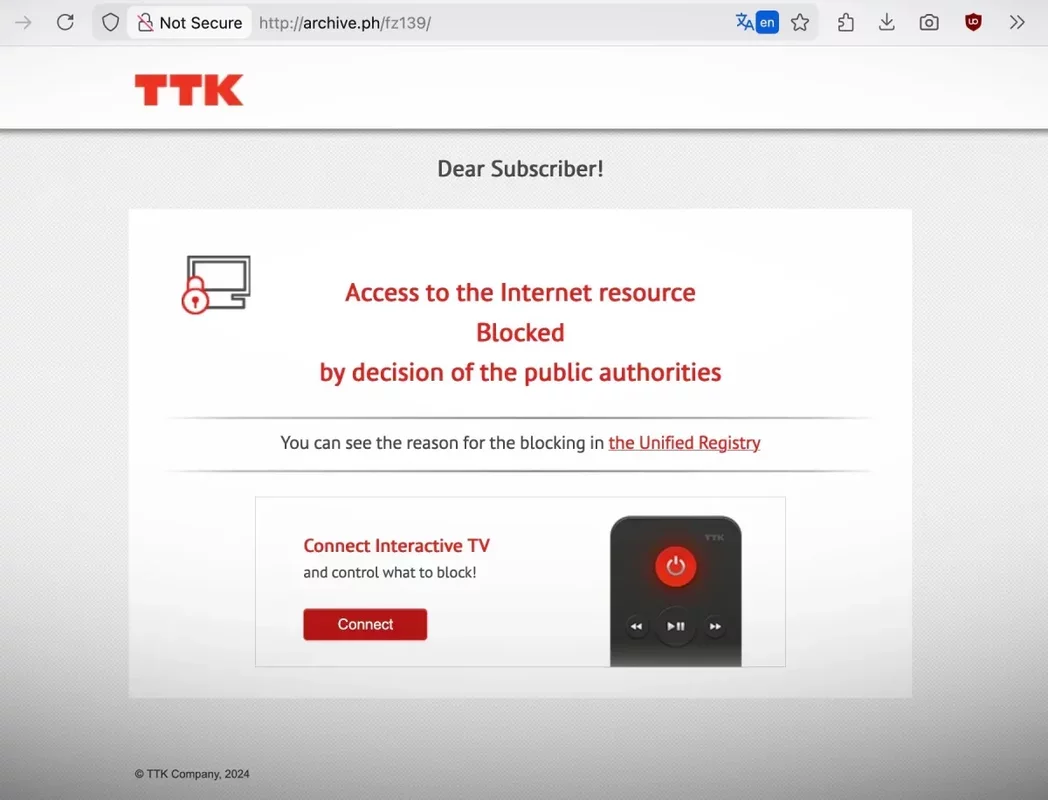
For readers, the challenge is often simple: access a story quickly when a subscription is missing or a login is unavailable. In response, a range of tools and methods has emerged, from archived page snapshots to browser-based workarounds and mobile shortcuts. Among the most widely used options is Archive.today, which stores a text and visual copy of a webpage and can often display an article that is otherwise hidden behind a paywall.
Another option, smry.ai, combines cached article access with AI-generated summaries, offering a fast way to scan the main points before deciding whether to read further. For more technical users, browser settings such as disabling JavaScript or adjusting page elements can sometimes reveal content on softer paywalls. On mobile devices, some Android and iPhone tools also provide alternate routes to access restricted pages.
Legitimate access remains important
Beyond workaround tools, there are also fully legitimate ways to reach premium journalism. Many public libraries provide digital access to newspapers and magazines through their portals, while some publications allow subscribers to share gift articles with others. These options help preserve access while still supporting the publishers behind the content.
As digital publishing continues to evolve, paywalls are likely to become more refined, while readers will keep seeking smarter, faster, and more flexible ways to stay informed. The future of online reading may be shaped by a balance between access, innovation, and sustainable media models.