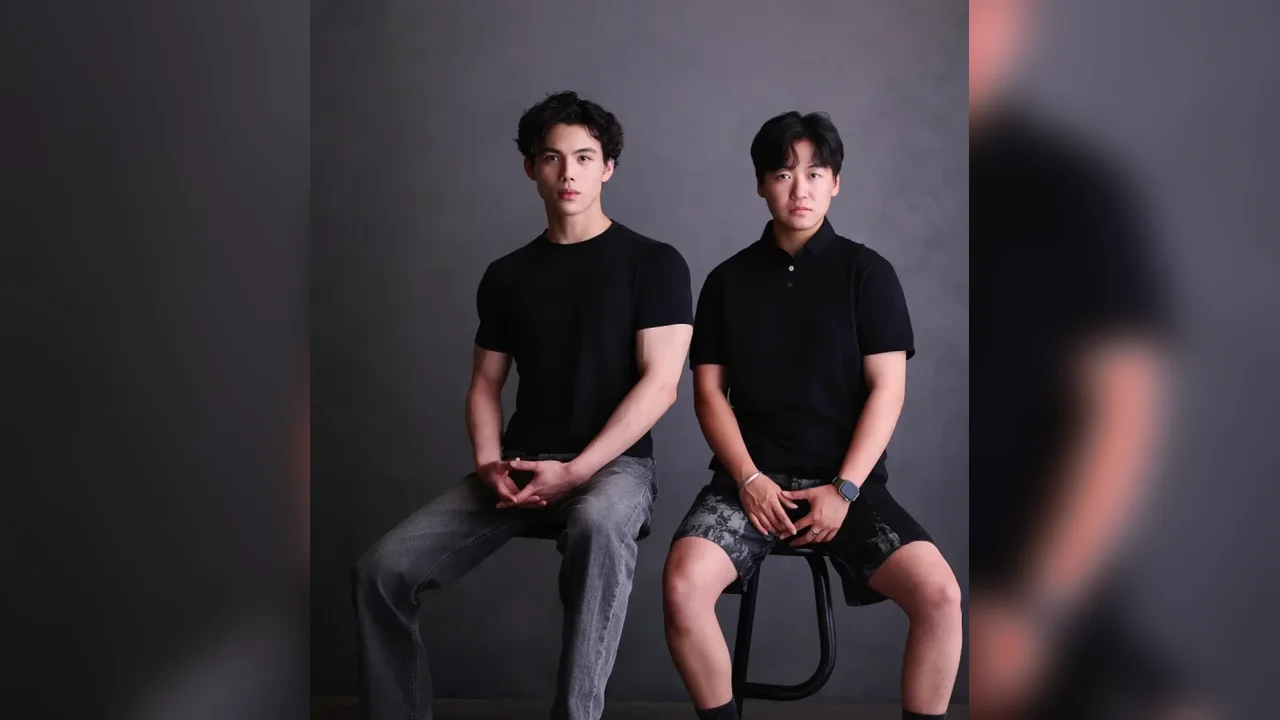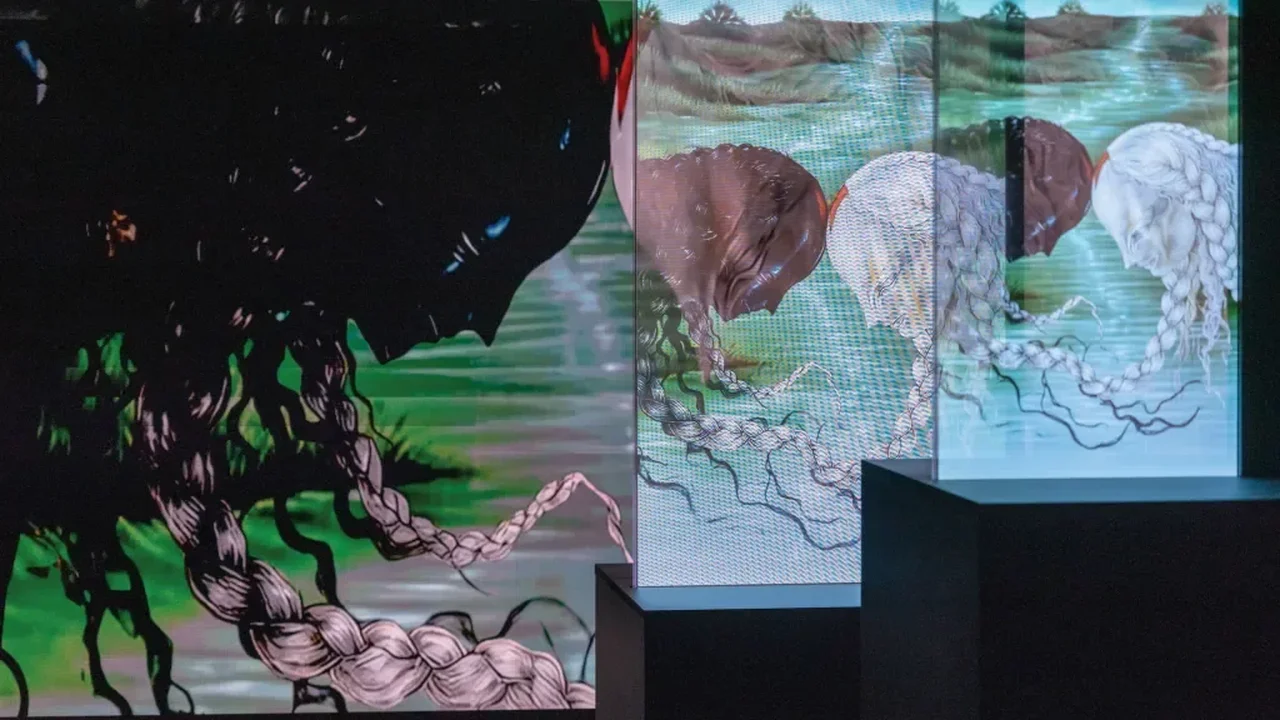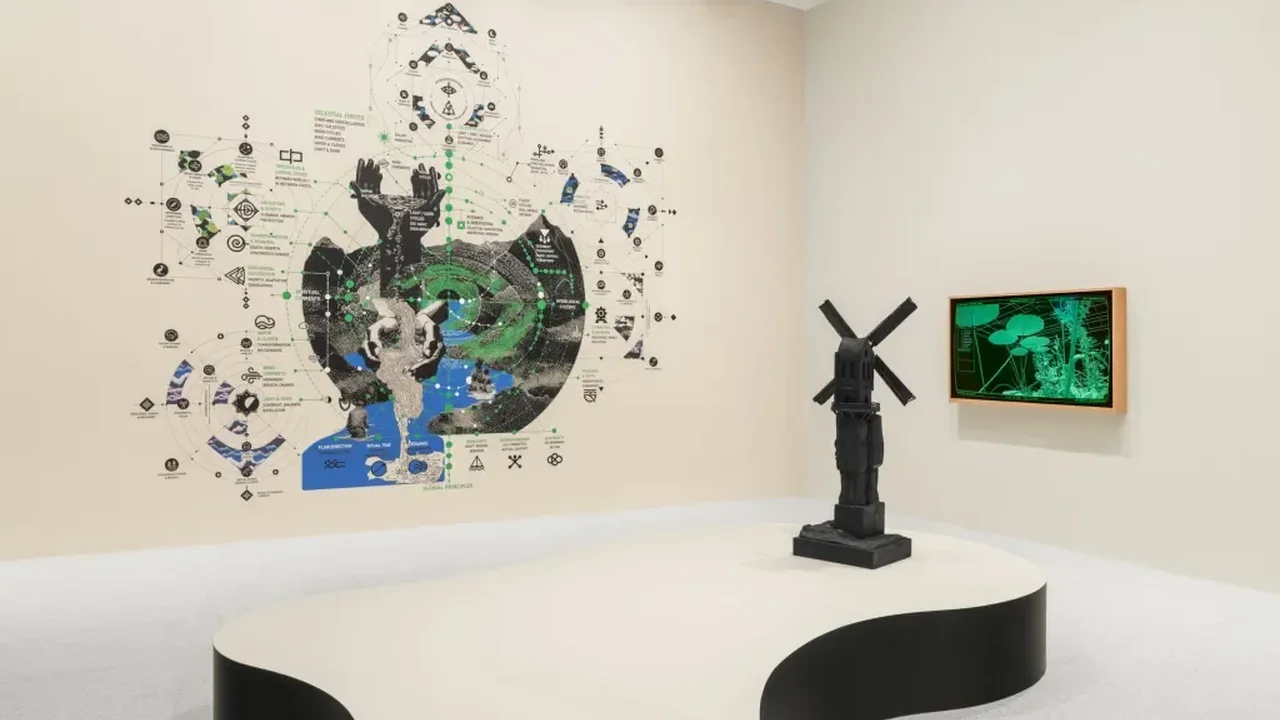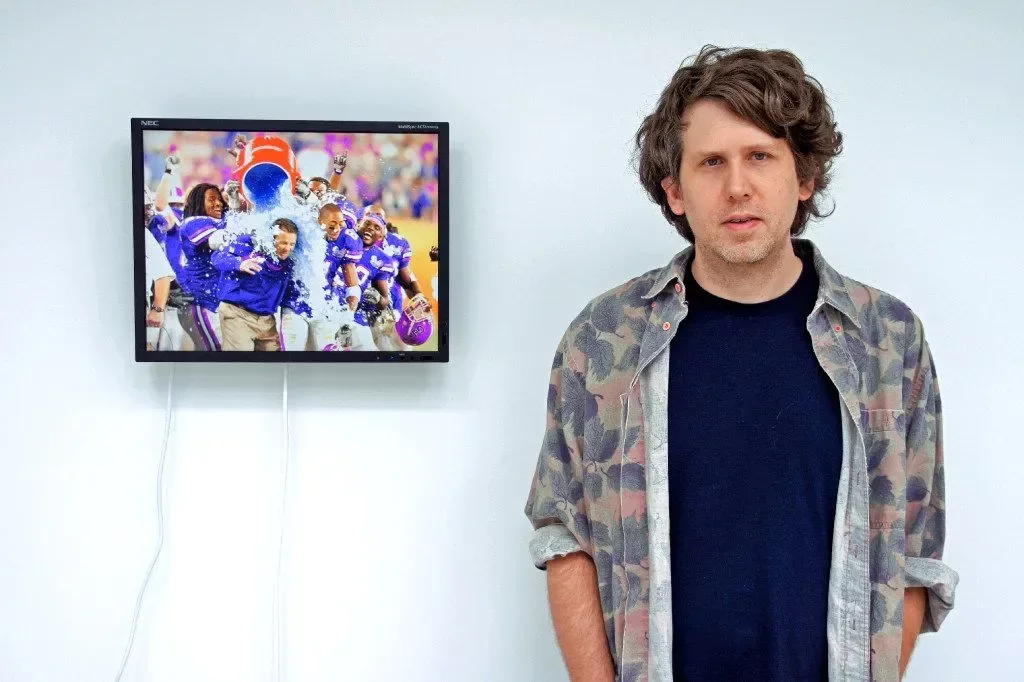
This week marked a significant milestone as Paul Slocum celebrated the 20th anniversary of the And/Or gallery, an innovative venue dedicated to showcasing new media art. Established in 2006, the gallery initially featured works from artists like Tom Moody and Saskia Jorda, quickly becoming a haven for avant-garde creators who utilize technology and the internet in their art. Artists such as Cory Arcangel and Petra Cortright have emerged from this community, gaining widespread acclaim and recognition.
Unlike many in the art world, Slocum remains detached from the commercial pressures and institutional validations that often dictate the market. His commitment to honoring and preserving the diverse subcultures of the internet has been a driving force throughout his career as a gallerist, artist, and restorer.
In a recent discussion, Slocum reflected on the evolution of his gallery, his early experiences with computers, and the secrets behind sustainably selling digital art.
Shanti Escalante-De Mattei: Can you tell us about your first encounters with computers?
Paul Slocum: Growing up in Dallas, Texas Instruments played a significant role in my life, as my father worked there. During elementary school, I took a class on the TI-99, which ignited my passion for programming. Later, I began creating music and games on the Atari 2600 and Commodore 64, which allowed me to explore more complex programming.
What role did programming play in your artistic journey?
I created generative music and graphics, and even developed simple games. My inspiration predominantly came from PBS shows, where I first encountered video art. I even submitted a generative art program to a PBS magazine, which was published. This exposure fueled my artistic ambitions.
As I shared my work online, I began receiving invitations to exhibit in galleries. Eventually, I collaborated with Lauren Gray on audiovisual performances, which led to opportunities in Europe.
What was the digital art scene like in Europe during the early 2000s?
It was fascinating to see spaces that combined DIY culture with a professional approach to digital art. Participating in the Read_Me event in Denmark in 2004 allowed me to connect with many influential figures in the digital art community.
How did you transition from being an artist to a curator?
My journey into curation began with a performance art series. After organizing a show with Cory Arcangel, I became involved in running a gallery space that Lauren had started. Over time, it evolved into my main focus.
Slocum's gallery has consistently been at the forefront of digital art, showcasing works that challenge traditional perceptions. He emphasizes the importance of documenting and archiving digital artworks, striving to provide a stable platform for artists.
What are your thoughts on the current state of digital art and NFTs?
I view the NFT phenomenon with skepticism, perceiving it as a bubble. While there are collectors interested in digital art, the market remains limited. My efforts focus on helping artists navigate this landscape and ensuring their work is preserved and valued.
What keeps you motivated in this field?
Every time I support an artist financially, it reinforces my belief in the importance of this work. I aim to document and archive significant digital art, ensuring that these voices are not lost.
Any final thoughts after two decades in the industry?
Maintaining low costs is crucial for success. Despite facing challenges, I find fulfillment in my work and believe that outsider art holds immense value. Ultimately, if you create meaningful work, it will find its place.