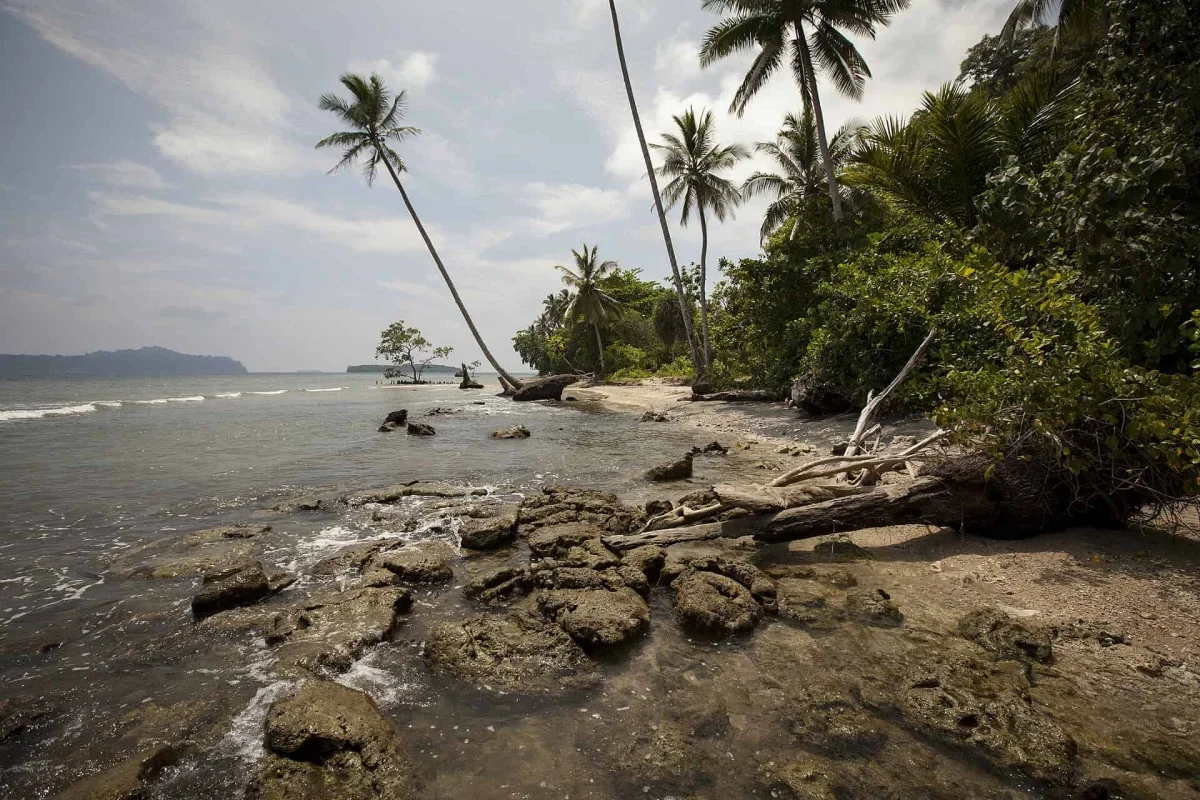
New research published in Science shows that people in Near Oceania, including communities in the Solomon Islands, New Guinea, and the Bismarck Archipelago, carry some of the oldest and most distinctive genetic lineages known in modern humans.
A Deep Human Archive
By analyzing 177 high-coverage genomes from 12 Near Oceanian populations and comparing them with more than 1,000 genomes worldwide, scientists found that these groups retain unusually high levels of archaic DNA. In some cases, the amount was about 2.5 times higher than in European genomes, and one population carried roughly 25 times more Denisovan ancestry than the average East Asian genome.
The findings also suggest a more complex history than a single encounter. The data point to interbreeding with at least three Denisovan-like groups, indicating that the ancestors of today's Oceanians met several related ancient populations over time.
Why Denisovan DNA Still Matters
Denisovans are an extinct human relative known mostly through genetic evidence. Although fossils are rare, their DNA remains visible in living populations across Asia and Oceania. Some inherited variants appear to have been preserved because they offered advantages in areas such as immunity, metabolism, fertility, and skeletal development.
One notable signal was found near TRPS1, a gene linked to bone and craniofacial development. Researchers also identified 3,127 high-frequency archaic variants that seem to influence gene activity, many of them connected to immune pathways.
Beyond human evolution, the study highlights a practical lesson for modern genomics: many Oceanian populations remain underrepresented in biomedical databases. Expanding genetic research to include them could improve understanding of health, adaptation, and human diversity. In the future, studies like this may help build a more complete and inclusive map of what it means to be human.