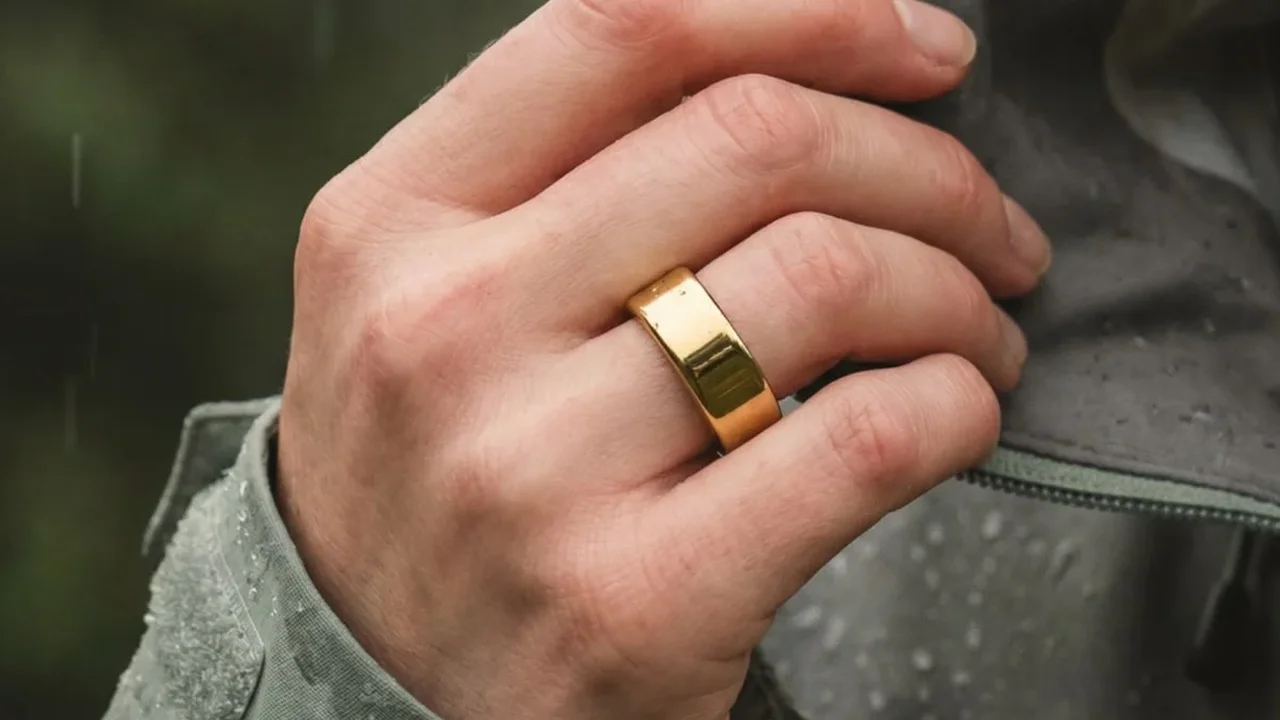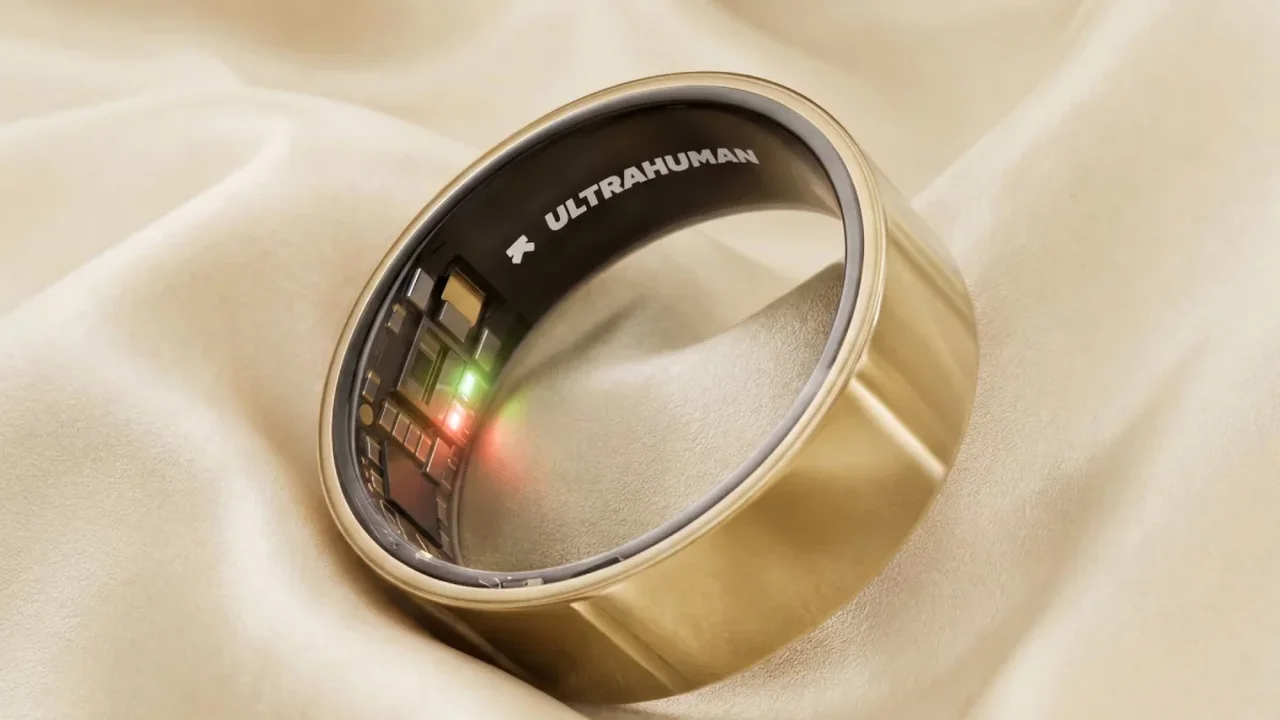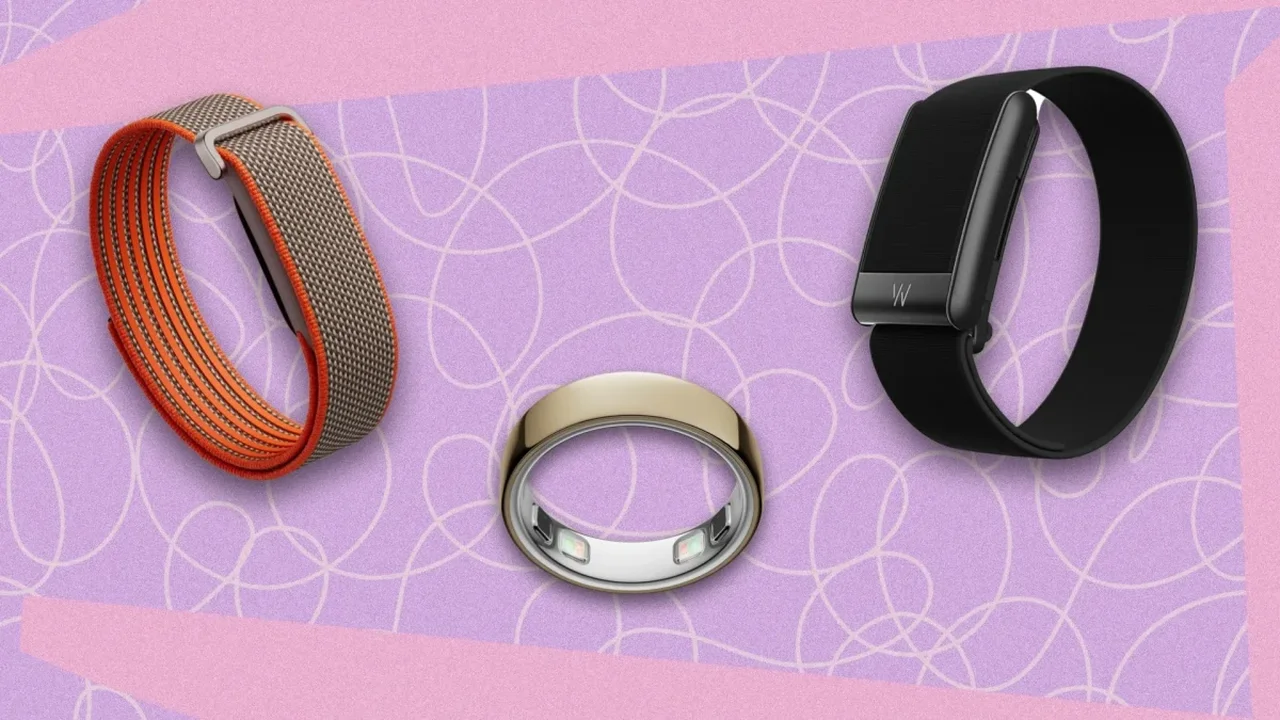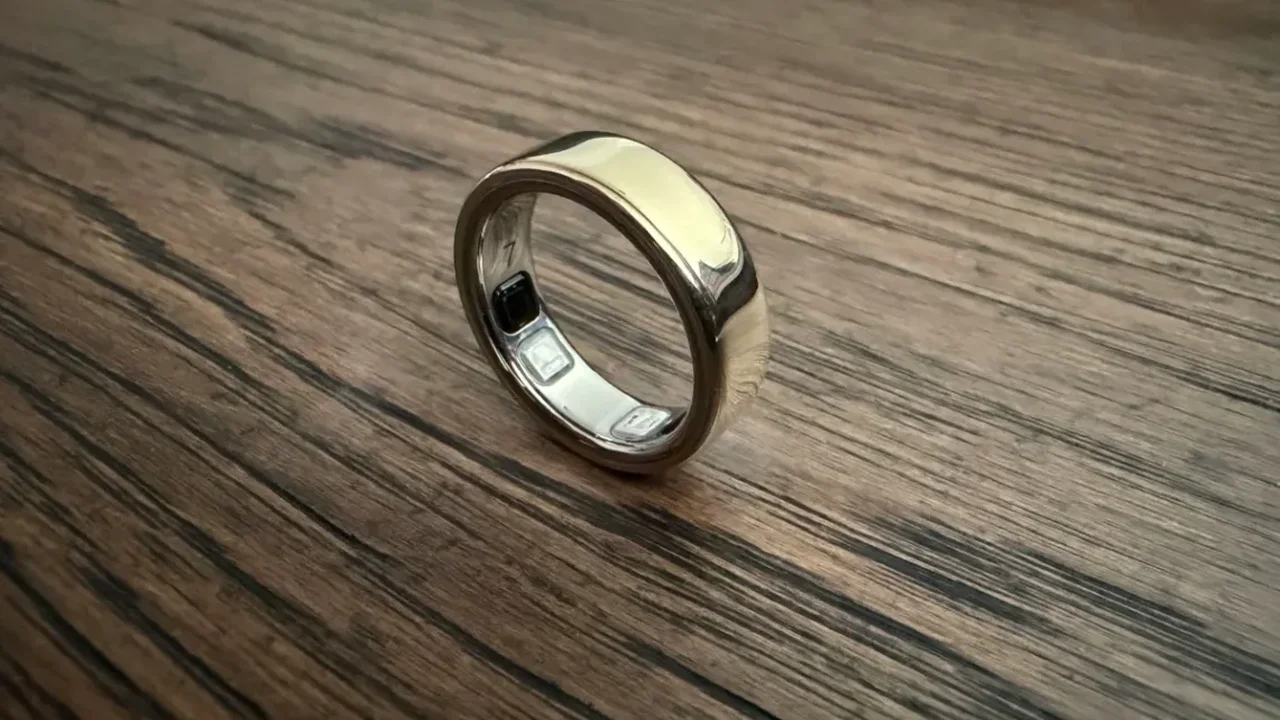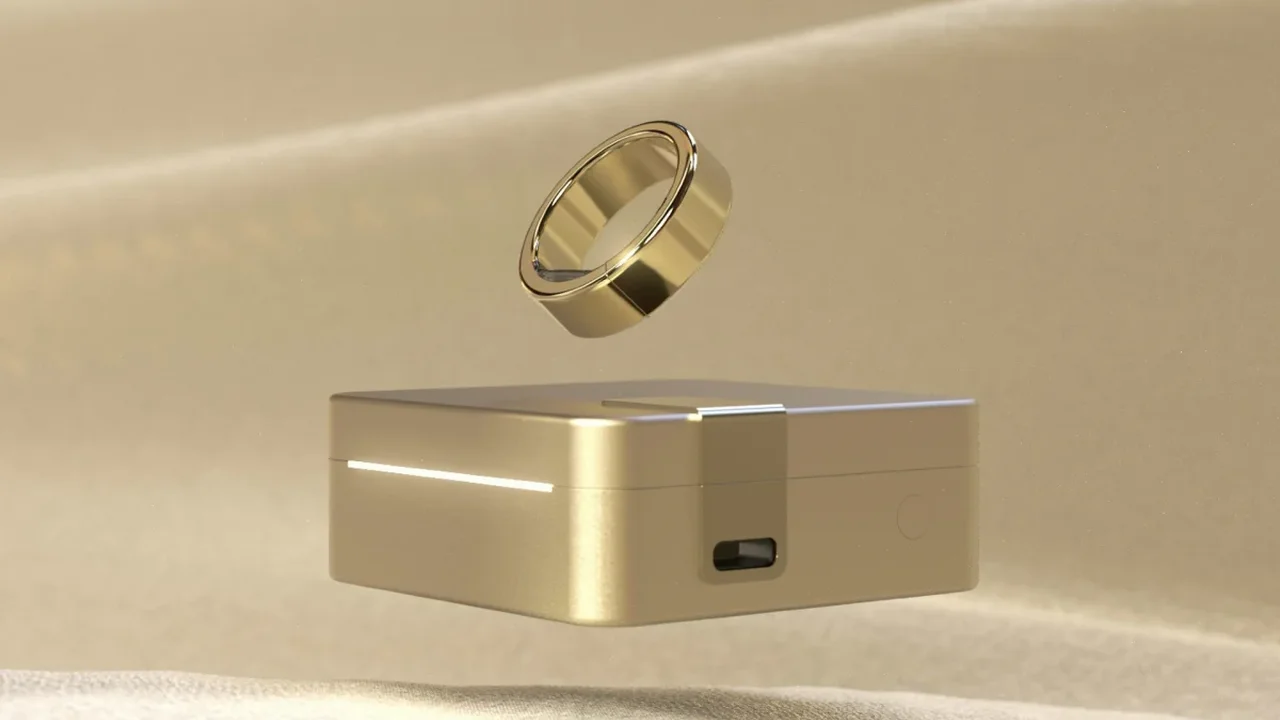
The Ultrahuman Ring Pro offers longer battery life and an included charging case, while the Oura Ring 5 stands out for its smaller, more comfortable design and a simpler app experience. Which one offers better value depends on the features a buyer wants.
Comfort and charging
The Oura Ring 5 is described as slimmer and more comfortable for all-day wear. Ultrahuman's ring lasts an estimated eight to 10 days per charge, compared with six to nine days for Oura. Its included case can provide up to 45 additional days of power, while Oura's optional, more compact charging case is rated for up to 30 days and costs $99.
The overall price depends on extras
The Ultrahuman Ring Pro costs $479 and basic use does not require a subscription. However, some app features are paid add-ons, and the optional Ultrahuman Max plan costs $99.99 per year. Oura's black and silver models start at $399, with membership priced at $5.99 a month. At that entry price, the first-year total is about $471; other finishes start at $499.
As a result, Ultrahuman can be less expensive if users stick to basic features, but add-ons may change the comparison. Oura's subscription is needed to access much of the ring's app functionality.
Two different app styles
Both apps summarize sleep, activity and recovery data, then offer guidance based on those readings. Ultrahuman places more emphasis on biohacking, circadian rhythms and optional tools. Oura organizes information around readiness, sleep, stress and other health indicators, which may feel easier to navigate for users seeking a more streamlined experience.
Neither ring is a universal winner: Ultrahuman prioritizes battery endurance and customizable features, while Oura emphasizes comfort and a straightforward interface. As smart rings evolve, clearer health insights and more flexible pricing could make wearable data easier to use in everyday life.