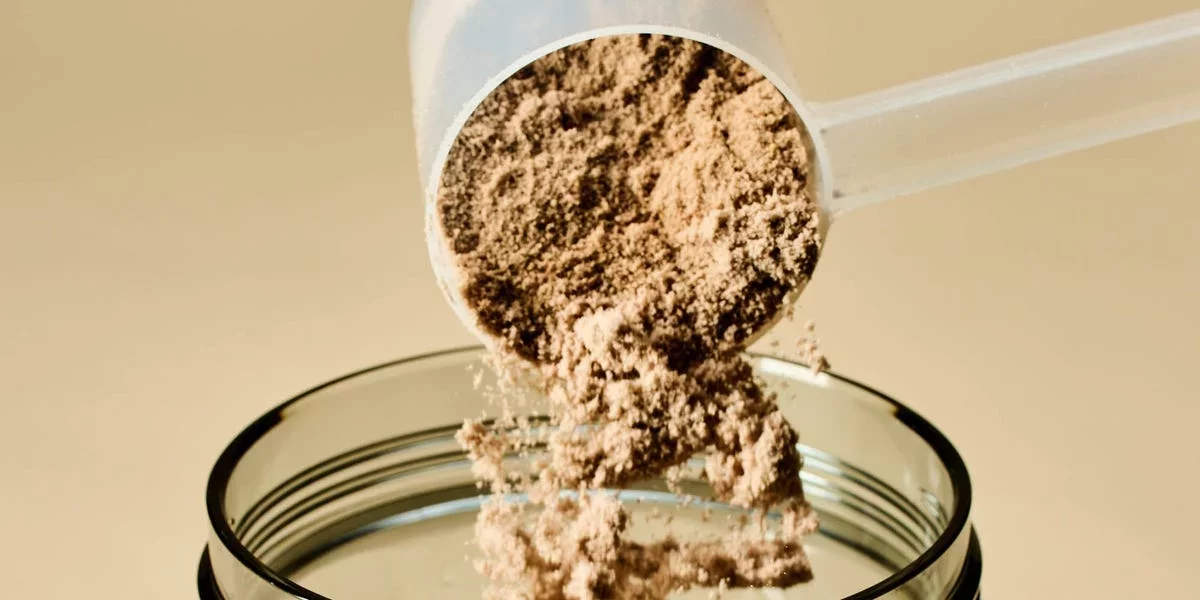
PROTEIN SHAKES have become a staple in many diets, with various brands promoting high-protein products. While the market is flooded with options, traditional protein shakes remain a popular and effective method for increasing protein intake.
Protein is not only essential for muscle growth but also plays a significant role in weight management. High-protein diets can enhance satiety, making it easier for individuals to resist additional snacking. Nutritionist Jessica Cording emphasizes that the effectiveness of protein shakes in a weight loss regimen depends on various factors, such as overall dietary habits and caloric intake.
What Constitutes a Protein Shake?
Registered dietitian Sonya Angelone explains that there is no strict definition for a protein shake, but it typically contains a significant amount of protein, ranging from 10 to 40 grams per serving. Common sources of protein in shakes include whey, casein, and various plant-based proteins like pea and hemp.
Can Protein Shakes Aid in Weight Loss?
Experts agree that protein shakes can support weight loss when used appropriately. Angelone notes that increasing protein intake during weight loss can help preserve muscle while promoting fat loss. However, caution is advised as the calories in some protein shakes can accumulate quickly, potentially hindering weight loss efforts.
Cording highlights the importance of monitoring overall caloric intake, as some individuals may inadvertently exceed their caloric needs by incorporating protein shakes without adjusting other meals accordingly.
Choosing the Right Protein Powder
When selecting a protein powder, consider your dietary preferences and needs. Cording recommends complete protein sources such as whey, casein, and soy for those who do not have dietary restrictions. For plant-based diets, options like rice and pea protein are available, though they are not complete proteins.
Strategies for Effective Use of Protein Shakes
To maximize the benefits of protein shakes, Angelone suggests using them as meal replacements instead of snacks. Breakfast and dinner are ideal times to incorporate a shake, as they can help control calorie intake during the day. For added nutrition, consider blending in vegetables like spinach.
For those uncertain about how to start or who have not seen desired results, consulting a registered dietitian can provide personalized advice tailored to individual goals.
As the trend of protein consumption continues to rise, understanding how to effectively integrate protein shakes into a balanced diet may pave the way for healthier lifestyles and improved weight management outcomes in the future.