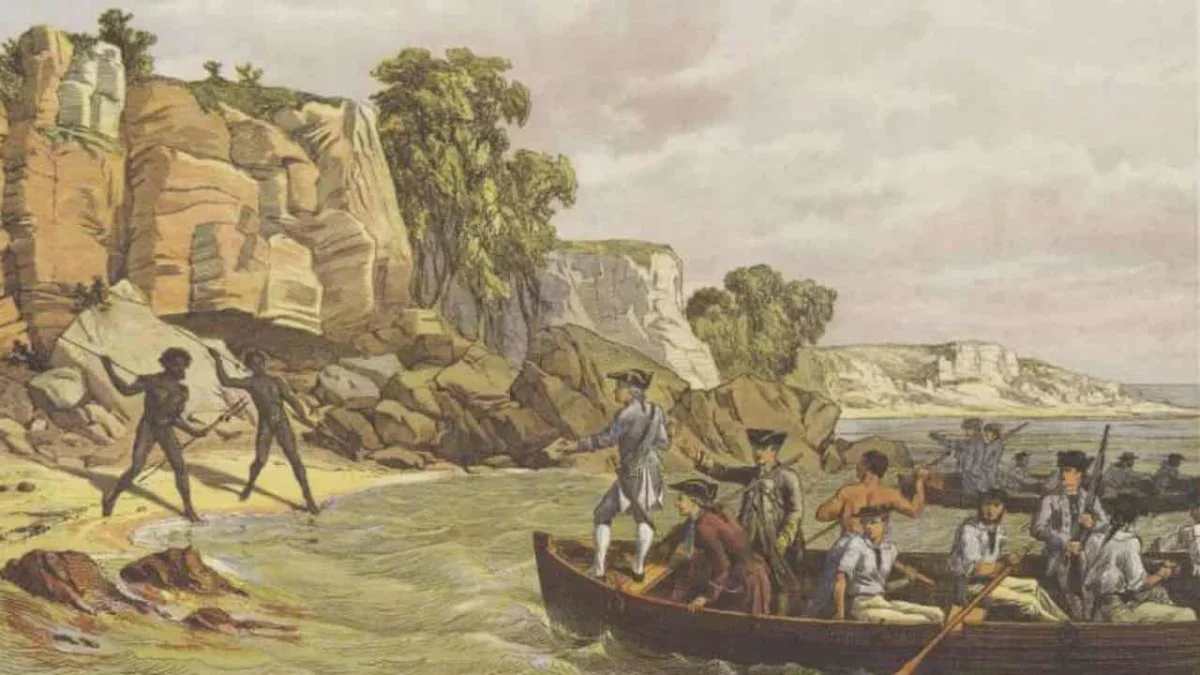
Two new studies are reshaping how historians understand the early colonial period in Australia. The research suggests that smallpox most likely reached Sydney with the First Fleet in 1788, rather than spreading south from northern Australia as some earlier theories proposed.
Using computer simulations of movement, contact, and disease transmission, researchers found that a northern route could not realistically explain the timing of the 1789 outbreak. The model points instead to an origin in the Sydney region after the fleet's arrival, with the virus then spreading through southeastern Australia along coastal and river networks.
The studies also revisit the scale of Indigenous population loss. By combining archaeological, genetic, and environmental evidence, the authors estimate that Australia may have had about 2.5 million Indigenous inhabitants before British colonization. If so, the demographic impact by 1861 would have been far larger than older estimates suggested.
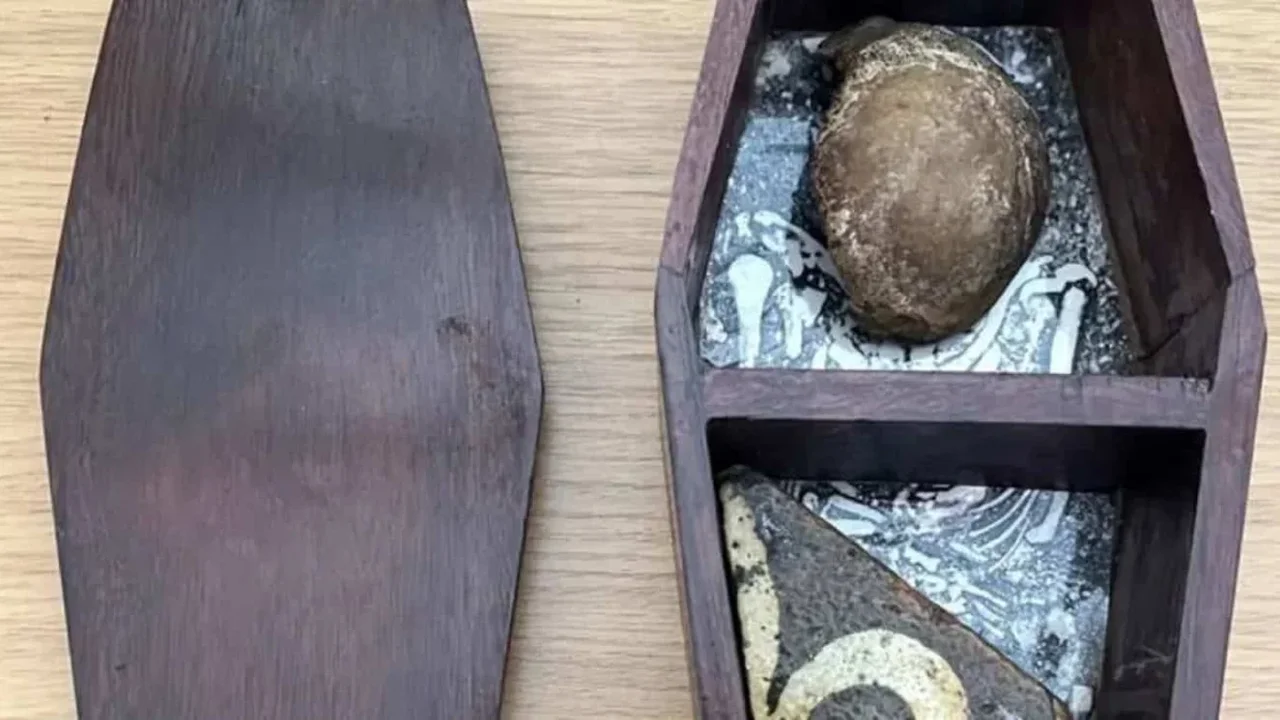
One possible explanation for the delayed outbreak is that the virus did not travel in an infected person, but in preserved material used for variolation, an early form of inoculation. The researchers note that such material could have survived the voyage under the right conditions, allowing the disease to emerge later in the colony.
The findings also highlight a broader historical reality: precolonial Australia was home to many nations, languages, and complex land-management systems. From the eel aquaculture landscapes of Budj Bim to long-standing trade and cultural networks, the continent was far more densely connected than older accounts implied.
While the exact sequence of events remains open to further study, the research offers a more detailed picture of Australia's early colonial history and the resilience of Indigenous communities. In the years ahead, this kind of evidence may deepen understanding of population history, disease transmission, and cultural continuity.