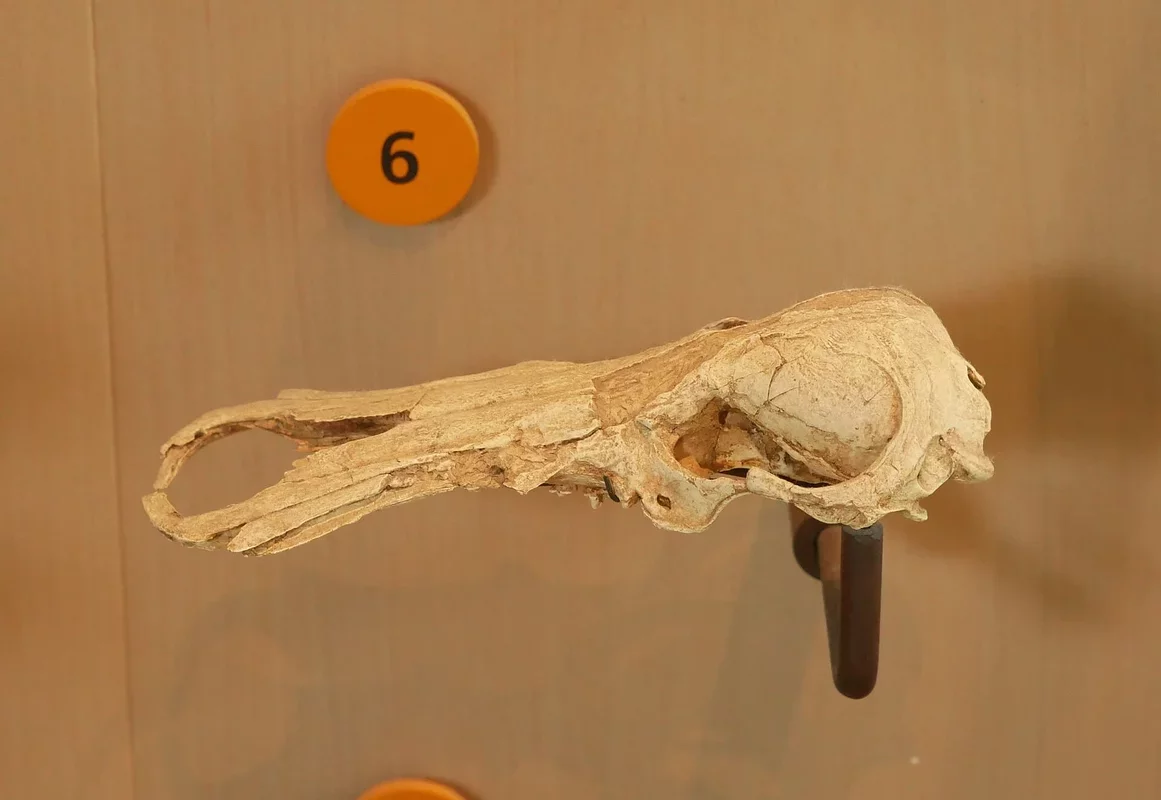
The platypus, a fascinating creature known for its unique characteristics, has unveiled even more intriguing secrets from its past. A recent study by paleontologists at Flinders University has shed light on the Obdurodon insignis, a prehistoric platypus that existed 25 million years ago in Australia, boasting powerful teeth designed to crack open hard-shelled prey.
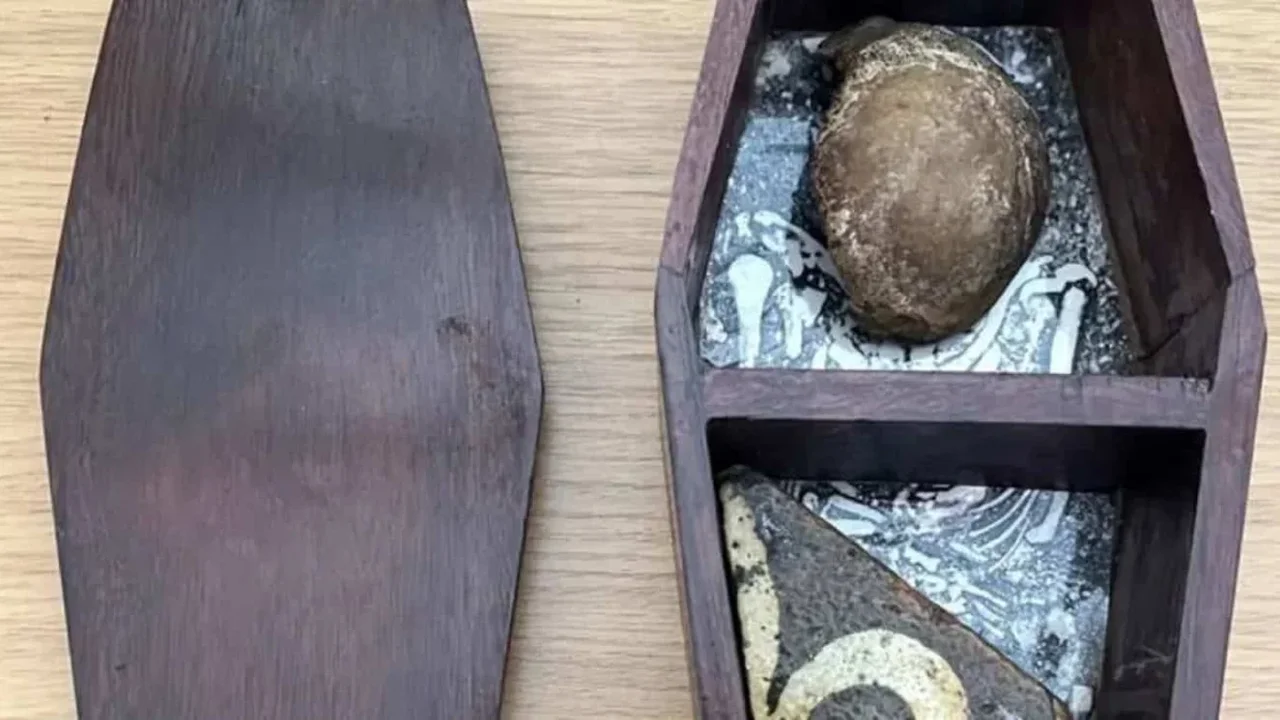
Researchers have discovered three rare fossils--two teeth and a fragment of a shoulder bone--at Billeroo Creek in South Australia, an area that was once a verdant landscape filled with lakes and diverse wildlife. This discovery is significant as it provides new insights into the anatomy of ancient platypuses, which swam similarly to their modern counterparts but had a more formidable bite.
Exploring a Lost Ecosystem
The fossils were unearthed from what was once a thriving ecosystem, home to various species, including lungfish and crocodilians. Over the past two decades, scientists have meticulously excavated this site, uncovering over 1,000 vertebrate fossils, but platypus remains are exceptionally rare.
The newly found specimens include a molar, a premolar, and a portion of a shoulder bone. Prior to this discovery, Obdurodon insignis was known only from a few incomplete remains. Study author Aaron Camens expressed excitement about the findings, noting the rarity of platypus fossils and the opportunity to learn more about these unique mammals.
Identifying the Ancient Platypus
Determining the identity of these fossils involved careful analysis of the teeth, which exhibit distinctive features that align closely with known platypus species. The new lower molar is particularly noteworthy, as it matches the original tooth used to classify Obdurodon insignis, while the premolar shares similarities with another species, Obdurodon dicksoni.
Additionally, the shoulder bone reveals a structure akin to that of modern platypuses, suggesting that Obdurodon insignis was an adept swimmer, utilizing powerful forelimbs to navigate its aquatic environment.
Dietary Insights
The teeth of Obdurodon insignis were well-formed, indicating a diet that likely included hard-shelled prey such as yabbies, a type of freshwater crayfish. The combination of large, pointed front teeth and robust molars suggests a strong bite capable of handling tough food sources.
Interestingly, modern platypuses lack true teeth, having evolved to use grinding pads instead. This evolutionary change raises questions about dietary adaptations and the potential reasons behind the loss of teeth in contemporary platypuses.
In summary, the discovery of Obdurodon insignis fossils not only enriches our understanding of this ancient species but also highlights the evolutionary journey of the platypus. As researchers continue to explore these ancient ecosystems, they may uncover further insights that could reshape our understanding of mammalian evolution.