Recent research indicates that individuals tend to regain approximately 0.4 kilograms each month after discontinuing weight loss medications. This trend suggests that key health indicators related to diabetes and heart disease may revert to pre-treatment levels in less than two years.
The study highlights that weight regain after ceasing medication occurs significantly faster than recovery from weight loss achieved through diet and exercise, with the rate of regain being nearly four times quicker, regardless of the initial weight loss.
Impact of GLP-1 Medications on Obesity Treatment
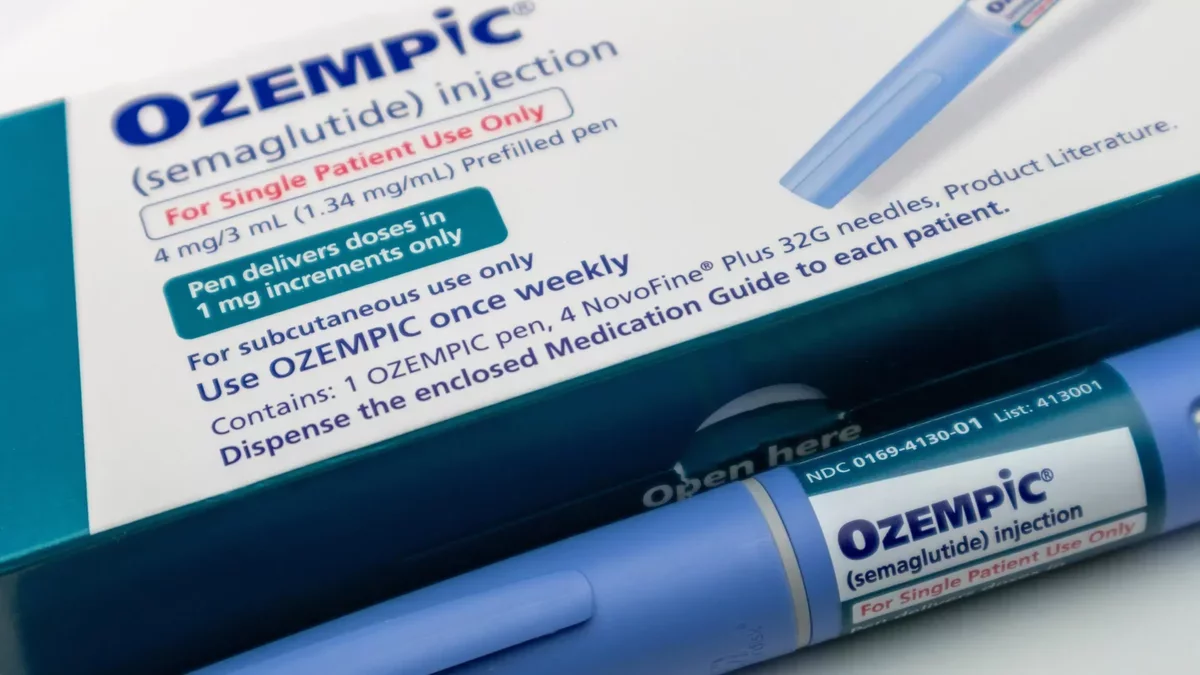
Innovative weight loss drugs, particularly glucagon-like peptide-1 (GLP-1) receptor agonists such as semaglutide (Ozempic, Wegovy, and Rybelsus) and tirzepatide (Mounjaro and Zepbound), have transformed obesity management by enabling many patients to shed considerable weight.
However, nearly half of individuals with obesity discontinue these medications within a year. This high dropout rate underscores the necessity of understanding the implications for weight and health risks associated with diabetes and heart disease once treatment is halted.
Methodology of the Weight Regain Analysis
Researchers from the University of Oxford conducted a thorough review of clinical trials and observational studies involving adults who utilized weight loss medications. These findings were juxtaposed with outcomes from non-pharmaceutical approaches such as behavioral management programs or placebo treatments.
Despite the variability in study designs and quality, the research team employed established assessment tools to evaluate potential biases, ensuring a consistent analysis.
In total, 37 studies published until February 2025 were analyzed, encompassing 9,341 participants. On average, participants underwent weight loss treatment for 39 weeks and were monitored for approximately 32 weeks post-treatment.
Health Benefits Diminish After Treatment Discontinuation
The studies revealed that participants who stopped taking weight loss medications regained an average of 0.4 kilograms monthly. Based on this trend, researchers projected that body weight would revert to pre-treatment levels in about 1.7 years.
Similar patterns were observed in cardiometabolic risk markers, which indicated a return to baseline levels within approximately 1.4 years after medication cessation.
Furthermore, weight regain was consistently more rapid following drug-based weight loss compared to behavioral management programs, with an average difference of 0.3 kilograms monthly. This trend persisted regardless of the amount of weight lost during treatment.
Limitations and Findings Strength
The authors acknowledged several limitations, noting that only eight of the studies reviewed focused on newer GLP-1 medications, and none tracked participants for over 12 months after treatment cessation. Additionally, a limited number of studies were deemed to have a low risk of bias.
Nonetheless, the researchers maintained confidence in their conclusions, as three distinct analytical methods yielded similar outcomes.
Call for Comprehensive Long-Term Strategies
In light of these findings, the authors caution against short-term reliance on weight management medications, advocating for further research into effective long-term strategies for weight control and emphasizing the importance of primary prevention.
A US researcher echoed these sentiments in an accompanying editorial, questioning the belief that GLP-1 receptor agonists offer a definitive solution for obesity.
He stressed that individuals using GLP-1 receptor agonists should remain cognizant of the high discontinuation rates and the potential consequences of stopping medication. Healthy dietary and lifestyle habits should form the cornerstone of obesity treatment, with medications like GLP-1 receptor agonists serving as supplementary support.
This holistic approach not only aids in preventing excessive weight gain but also offers a range of health benefits beyond mere weight management.