Recent research has brought to light intriguing findings regarding dark matter, particularly centered around an unexpected observation of gamma radiation emanating from the Milky Way. This radiation may stem from collisions between dark matter particles, yet similar signals have not been detected in nearby dwarf galaxies. This discrepancy does not eliminate dark matter as a potential source, suggesting a more intricate nature of dark matter than previously understood.
Dark matter is theorized to constitute a significant portion of the universe, although it remains elusive, detectable only through its gravitational effects on visible matter. Despite extensive investigations, its fundamental characteristics continue to be a mystery.
The Milky Way's Gamma-Ray Excess
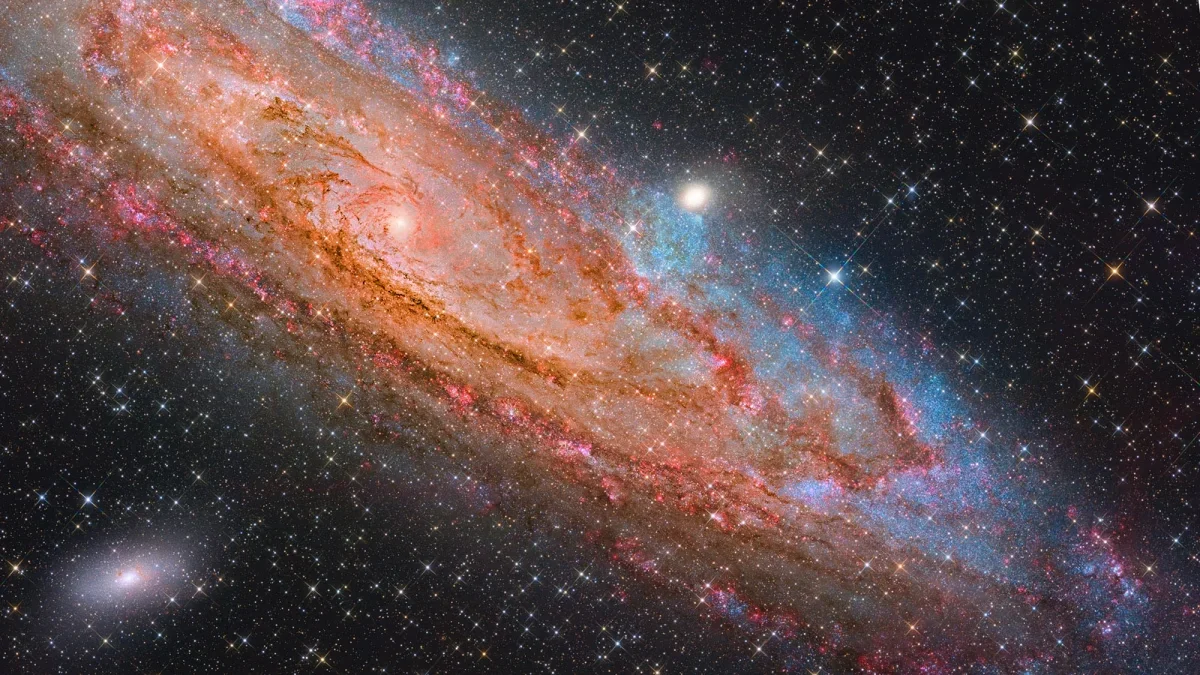
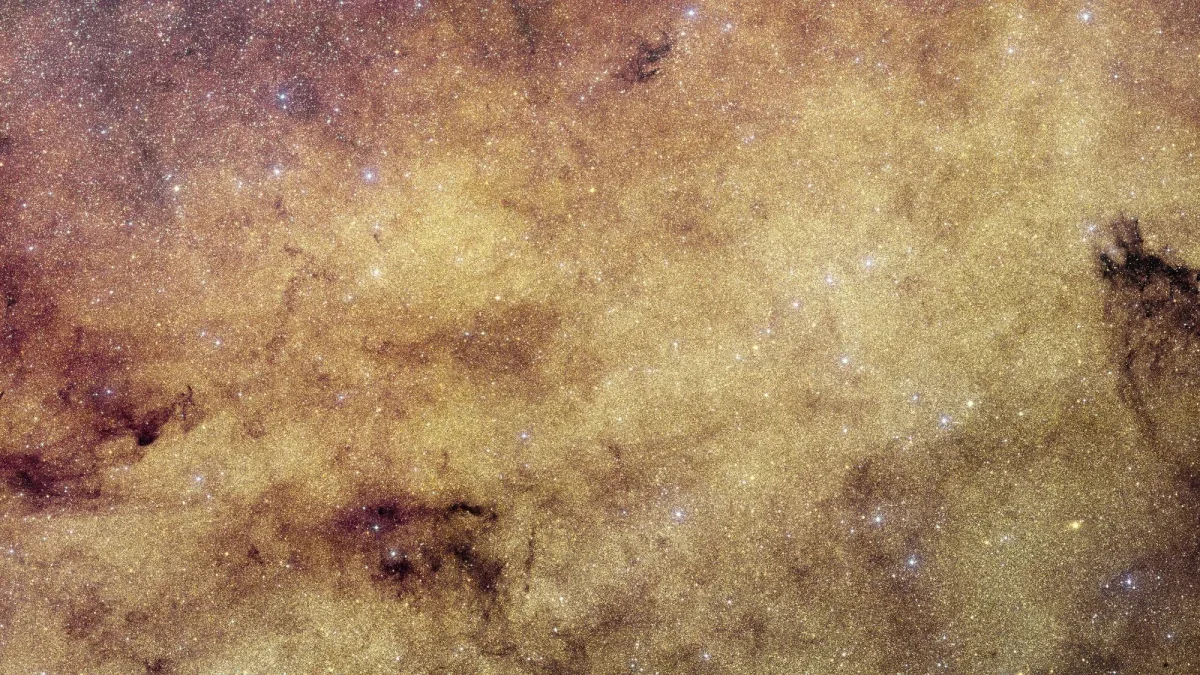
Leading theories propose that dark matter consists of particles that, upon colliding, annihilate and generate high-energy emissions like gamma rays. The Fermi Gamma-ray Space Telescope has identified an unusual concentration of photons in a spherical region surrounding the Milky Way, hinting at a possible link to dark matter. However, scientists like Gordan Krnjaic from the Fermi National Accelerator Laboratory caution that other astrophysical phenomena, such as pulsars, could also explain this glow.
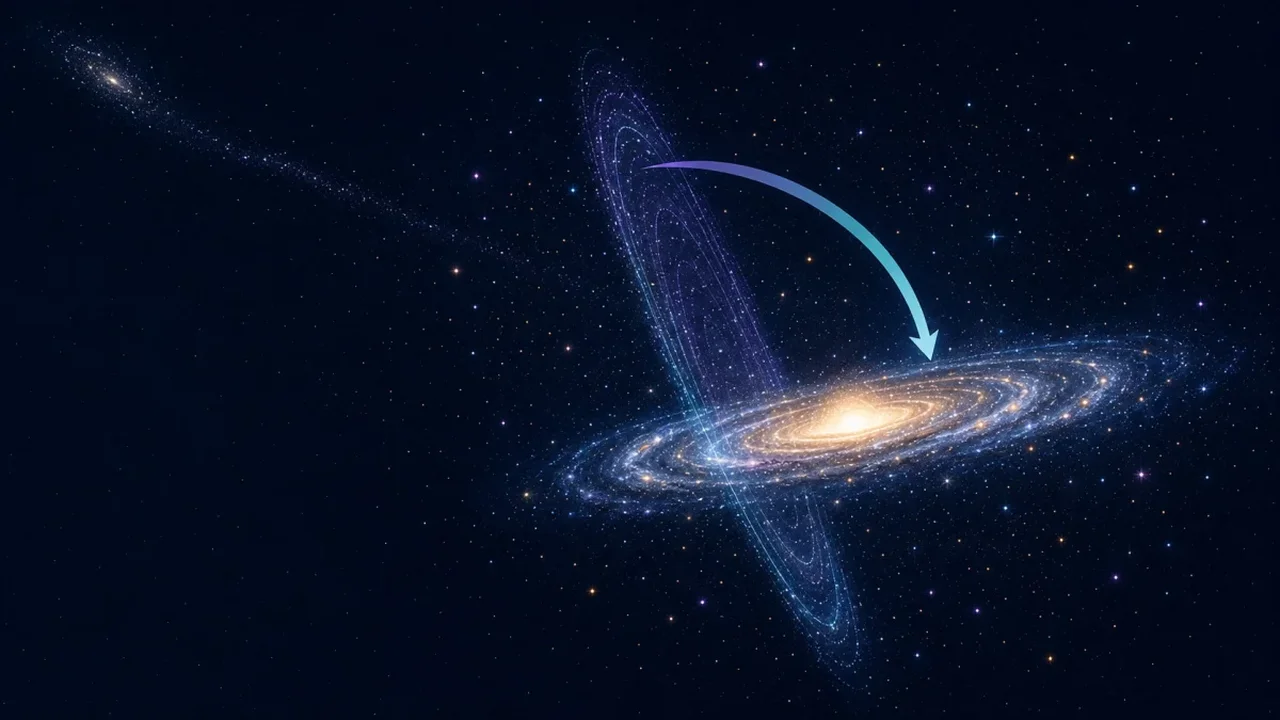
To unravel the origins of this gamma-ray signal, researchers are expanding their focus beyond our galaxy. Krnjaic notes that if certain dark matter theories hold true, similar signals should be observable in other galaxies, particularly dwarf galaxies, which are small systems rich in dark matter.
Why Dwarf Galaxies Matter
Dwarf galaxies, with their limited number of stars and background radiation, provide an ideal environment for detecting dark matter signals. Conventional models of dark matter annihilation suggest two main scenarios: one where the annihilation rate remains constant regardless of particle speed, and another where it varies with velocity. The latter scenario could explain the absence of gamma-ray emissions from dwarf galaxies, complicating interpretations of the Milky Way's gamma-ray excess.
A Two-Component Dark Matter Model
Krnjaic and his team propose a novel explanation that could reconcile these observations. Their model suggests that dark matter may consist of two distinct types of particles. They argue that while the annihilation probability might be constant in the Milky Way, the interaction dynamics could differ based on the composition of dark matter in various galaxies.
This model implies that the annihilation likelihood is influenced not only by particle interactions but also by the relative abundance of the two types of dark matter. In the Milky Way, where both particles coexist in similar proportions, interactions are likely more frequent. Conversely, in dwarf galaxies, a dominance of one particle type could lead to fewer interactions and, thus, a diminished gamma-ray signal.
What Future Observations Could Reveal
This innovative two-component model provides a more nuanced framework for interpreting current observations, allowing scientists to account for the gamma-ray emissions seen in the Milky Way while explaining the lack of similar signals from dwarf galaxies. Future observations, particularly from the Fermi Gamma-ray Telescope, will be pivotal in testing this hypothesis. As data from dwarf galaxies becomes available, it could reveal insights into the composition of dark matter and its implications for our understanding of the universe.
The ongoing exploration of dark matter not only enhances our comprehension of cosmic phenomena but also paves the way for groundbreaking advancements in astrophysics, potentially reshaping our understanding of the universe itself.