Recent research published in Gut Microbes sheds light on the reasons behind the ineffectiveness of conventional treatments for chronic constipation, a condition affecting millions globally.
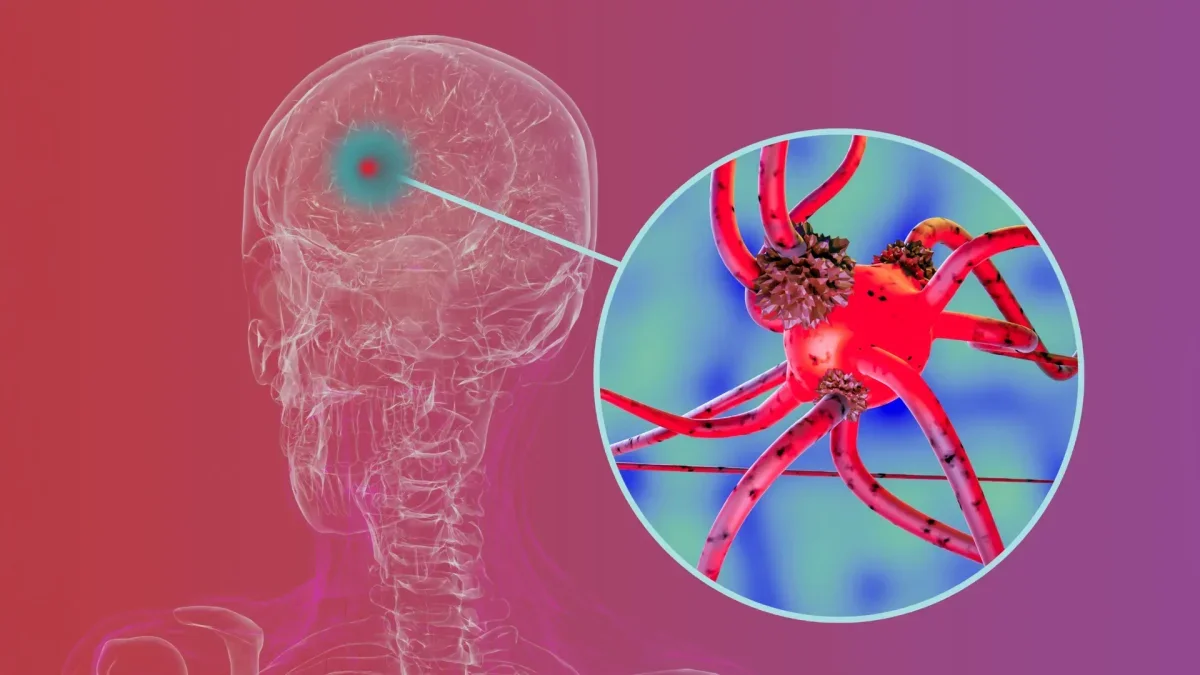
The study also revealed a significant connection to Parkinson's disease. Individuals diagnosed with Parkinson's often experience constipation long before the onset of motor symptoms, and they were found to have elevated levels of specific bacteria that degrade mucus. Traditionally, this constipation has been attributed to nerve damage, but these findings suggest that gut bacteria may play a crucial role in these early symptoms.
The Role of Gut Mucus in Chronic Constipation
Constipation ranks among the most prevalent digestive issues, typically linked to slow intestinal movement that hampers the passage of food and waste. However, this explanation doesn't encompass all cases.
Some patients suffer from chronic idiopathic constipation (CIC), where no clear cause is identifiable. Particularly, those with Parkinson's disease often endure severe constipation that resists treatment, sometimes for decades prior to the appearance of motor symptoms, leaving healthcare professionals puzzled.
Shifting focus from nerve and muscle function, researchers investigated colonic mucin, a gel-like substance that coats the large intestine and is also present in stool. This mucin plays a vital role by keeping stool moist, facilitating its passage, and protecting the intestinal lining from bacteria.
The research team found that two specific bacteria disrupt this protective barrier through a systematic process. Initially, B. thetaiotaomicron produces enzymes that eliminate sulfate groups from mucin, which normally serve as a defense mechanism against bacterial degradation. Once these protective groups are removed, A. muciniphila can then digest the exposed mucin.
When mucin levels diminish, stool becomes hard and dry, leading to constipation. This suggests that the underlying issue is the depletion of protective mucus rather than merely sluggish intestinal movement, explaining why typical laxatives and gut stimulants may not alleviate the problem.
Innovative Treatment Strategies Targeting Bacterial Enzymes
To explore whether inhibiting this process could alleviate constipation, researchers genetically modified one of the bacteria.
Tomonari Hamaguchi, the lead author from Nagoya University, stated, "We modified B. thetaiotaomicron to prevent it from activating the sulfatase enzyme that removes sulfate groups from mucin." The modified bacteria were introduced to germ-free mice alongside A. muciniphila, and surprisingly, the mice did not develop constipation; their mucin remained intact and protected.
This experiment demonstrated that disabling the sulfatase enzyme prevented the degradation of mucin, indicating that medications targeting sulfatase activity could potentially treat what researchers term bacterial constipation.
For the millions grappling with chronic, treatment-resistant constipation, particularly those with Parkinson's disease, these findings herald a new therapeutic direction. Future treatments may prioritize the preservation of the colon's mucus barrier and address the microbial factors contributing to the condition.