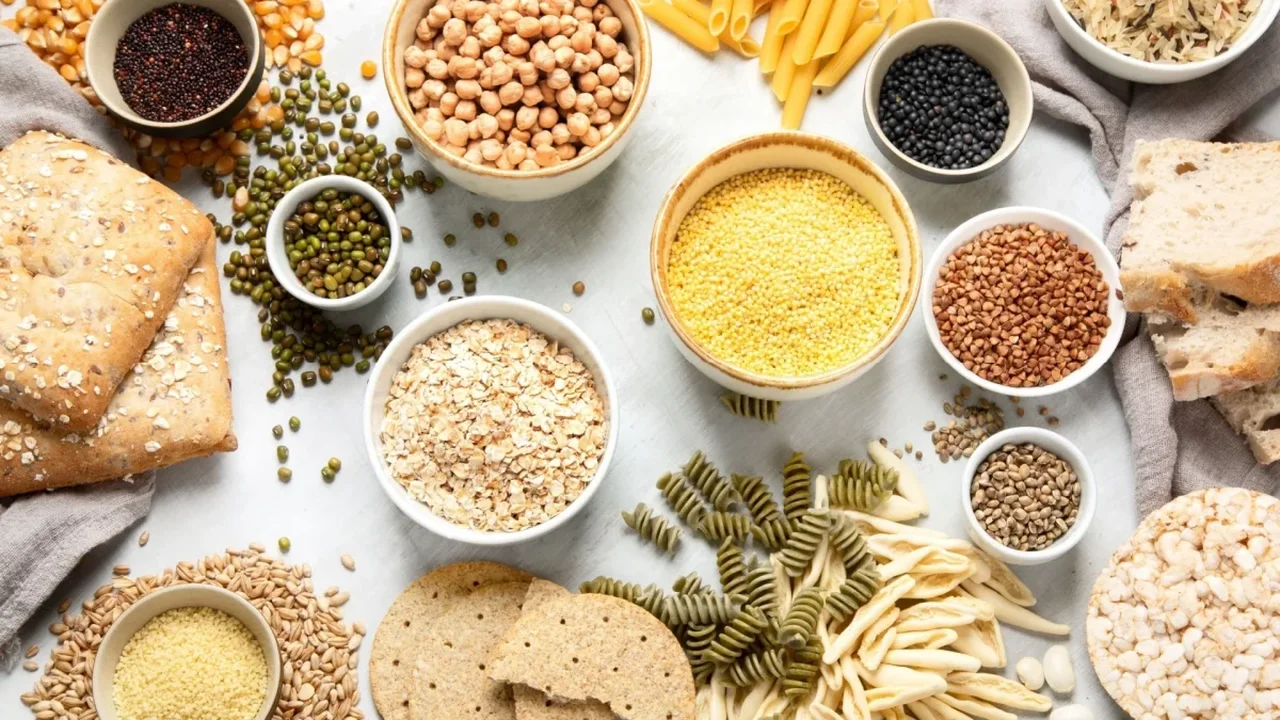
Introducing the concept of fibermaxxing, which involves consuming the recommended daily fiber intake based on your body weight. This trend has gained significant attention in both social and traditional media this year.
Jennifer Lee, a scientist at the Jean Mayer USDA Human Nutrition Research Center on Aging at Tufts University, focuses on how variations in gut health and gender differences influence metabolism throughout life. She expresses that the rise of fibermaxxing reflects a growing awareness of the difference between lifespan and healthspan. Many individuals are seeking ways to enhance their health as they age, recognizing that merely living longer does not guarantee good health.
"There's a nine-year gap between living to a certain age in good health and experiencing poor health at the end of life," Lee explains. "Nutritional and behavioral strategies aimed at maintaining health are trending now."
Research indicates that inadequate fiber intake can lead to metabolic and cardiovascular issues, including diabetes and obesity. "Low fiber consumption often results in higher calorie intake from other macronutrients, which may be rich in carbohydrates or fats, leading to weight gain," Lee notes. Furthermore, a lack of fiber may elevate the risk of certain cancers, such as colorectal, breast, and prostate cancer.
Lee emphasizes that incorporating more fiber into your diet can yield numerous health advantages. The USDA's Dietary Guidelines recommend that adults consume between 22 and 34 grams of fiber daily, depending on age and gender.
As a general rule, for every 1,000 calories consumed, individuals should aim for about 14 grams of fiber. This recommendation adjusts as caloric intake typically decreases with age. For instance, females aged 19 to 30 should target around 28 grams of fiber daily on a 2,000-calorie diet, while males in the same age bracket should aim for 34 grams.
Lee categorizes dietary fiber into two types: soluble and insoluble. Soluble fiber dissolves in water, slowing digestion, while insoluble fiber aids in moving waste through the digestive system. "Soluble fiber creates a gel-like substance in the gut, promoting satiety and serving as nourishment for beneficial gut microbiota," she explains. This type of fiber can also help stabilize blood sugar levels and lower cholesterol.
Foods abundant in soluble fiber include various fruits and vegetables, such as apples and broccoli, as well as legumes and oats. In contrast, insoluble fiber is found in whole grains, nuts, and seeds, contributing bulk to stool and preventing constipation.
To achieve a balanced intake, Lee recommends consuming around twice as much insoluble fiber as soluble fiber daily. For example, if your target is 30 grams of fiber, approximately 20 grams should come from insoluble sources.
For those who find it challenging to meet fiber requirements through diet alone, supplements can be a viable option. However, Lee advises caution, as a sudden increase in fiber intake can lead to digestive discomfort. Gradual adjustments and adequate hydration are crucial for a smooth transition.