Unraveling a mystery over 43 million years old is no small feat, yet a dedicated team of scientists has made significant strides in understanding the origins of the Silverpit Crater, located beneath the North Sea. Initially discovered in 2002, this intriguing multi-ringed structure has sparked debate among geologists regarding its formation.
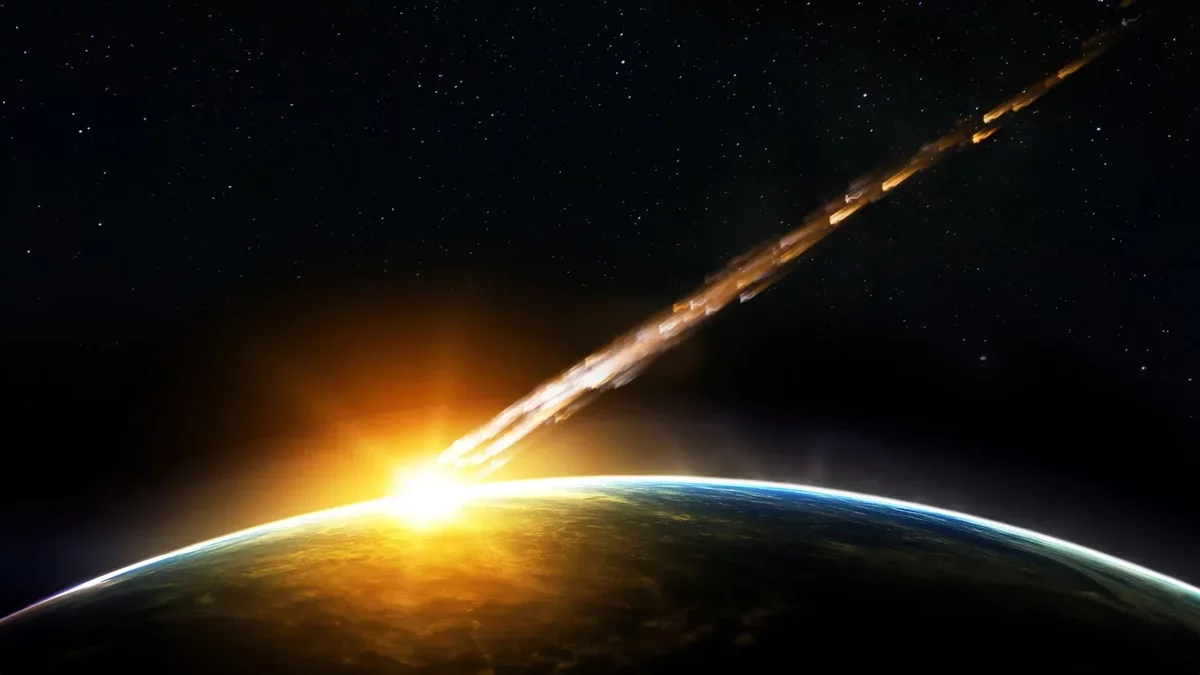
While some scientists attributed the crater to a cosmic impact, others believed it was merely a geological anomaly caused by ancient salt movements. However, a recent study has provided compelling evidence supporting the asteroid hypothesis. By employing advanced 3D seismic imaging and analyzing shocked minerals, a team of researchers has confirmed that Silverpit was indeed formed by an asteroid collision, leading to a colossal tsunami upon impact.
Decoding the Impact
The challenge in studying Silverpit lies in its depth beneath the seabed of the UK continental shelf, making direct examination impossible. Researchers utilized seismic surveys, akin to an underground ultrasound, where sound waves are sent into the seabed to reveal hidden structures.
Recent surveys conducted in 2022 yielded sharper images, providing clearer insights into the crater's features, including its central uplift and surrounding faults, consistent with an asteroid impact scenario.
Mineral Evidence
A breakthrough came when researchers discovered two tiny mineral grains from rock samples collected in 1985. These grains exhibited unique characteristics indicative of an asteroid impact, confirming the crater's origin. Dr. Uisdean Nicholson of Heriot-Watt University emphasized the significance of these findings, stating they provide irrefutable proof of the impact hypothesis.
The Impact's Aftermath
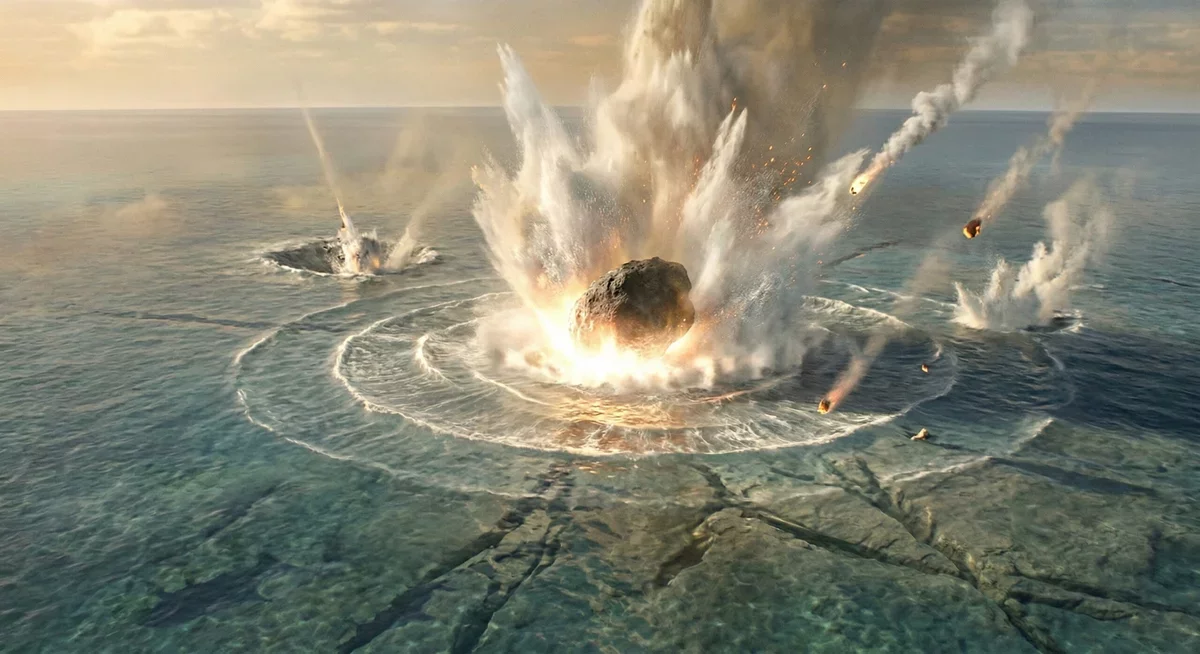
The asteroid, measuring approximately 160 meters in diameter, struck the North Sea at an incredible speed of 15 kilometers per second. This event occurred during the Middle Eocene, a time when the area was a shallow marine environment. The impact not only created a deep crater but also resulted in the vaporization of vast amounts of chalk, releasing gas and steam that contributed to a massive tsunami reaching heights of 100 meters (330 feet).
While this event did not lead to widespread extinction, it certainly marked a catastrophic moment for any marine life present at the time. Today, this ancient geological mystery has been solved, providing a clearer understanding of the forces that shaped our planet.
This study, published in Nature, underscores the importance of combining modern technology with historical data to uncover the mysteries of our Earth's past, paving the way for future discoveries in planetary science.