Becoming a parent is a transformative journey, and recent research highlights that fathers experience significant brain changes shortly after the birth of their child. A pioneering study utilizing brain imaging techniques followed 25 fathers over the first six months of parenthood, revealing that the most dramatic alterations occurred within the initial six weeks.
Traditionally, motherhood has been recognized for its profound impact on the brain, enhancing abilities such as empathy and multitasking. However, this study sheds light on the neuroplasticity experienced by new fathers, marking a period of biological and emotional adjustment.
The Early Weeks of Fatherhood
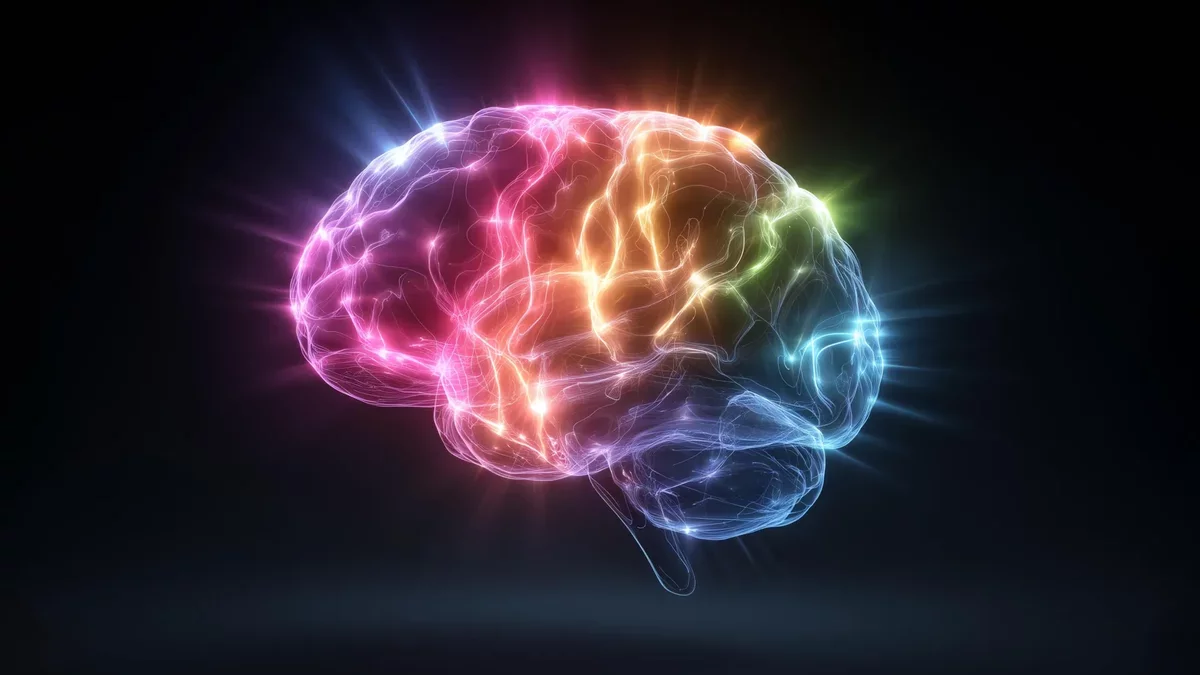
The participants underwent MRI scans at various intervals--immediately postpartum, and at three, six, nine, twelve, and twenty-four weeks. These scans revealed early reductions in gray matter across multiple brain regions, including the frontal, temporal, parietal, and occipital areas, as well as the insula and hippocampus. This reduction does not indicate cognitive decline; rather, it suggests a reorganization of the brain to support the new responsibilities of fatherhood.
By the twelve-week mark, changes began to reverse, with some brain regions, particularly in the frontal cortex and cerebellum, showing increased volume. By twenty-four weeks, the pattern of changes became more nuanced, reflecting ongoing adaptations as fathers navigate their new roles.
The authors of the study emphasized that these transformations are part of a dynamic process. They noted, "Our findings reveal significant morphological and functional connectivity changes in the male brain following childbirth, with the first 6-9 weeks postpartum emerging as a critical period for paternal neuroplasticity."
Connecting Emotion and Care
The study also highlighted alterations in how fathers' brain networks communicate. Early on, there was a notable shift towards stronger connections in areas related to emotion and cognitive control, while links to regions involved in sensory processing weakened. This adaptation is crucial as new fathers learn to interpret the myriad cues from their infants, such as cries and facial expressions, which require quick emotional responses.
Interestingly, stronger connectivity in the amygdala--an area linked to emotion--correlated with higher reports of attachment to their babies. This suggests that as fathers engage with their newborns, their brains are fine-tuning to enhance caregiving capabilities.
Overall, this research contributes to a growing understanding of how fatherhood induces measurable biological shifts, emphasizing the importance of experience and emotional engagement in shaping the paternal brain.
Published in the journal Translational Psychiatry, this study opens the door to further exploration of the complex changes fathers undergo during the early parenting phase, underscoring the potential for lasting impacts on their emotional and cognitive development.