The sentencing hearing for Jeff Cowan, convicted in a significant art fraud scheme involving forged works attributed to the renowned Anishinaabe artist Norval Morrisseau, faced unexpected turmoil this week. Allegations emerged suggesting that members of Morrisseau's estate might have been involved in the forgery operation, leading to a heated courtroom exchange.
Cowan, who was found guilty on four counts of fraud last November, appeared in Barrie, Ontario, anticipating a straightforward continuation of his sentencing. However, the proceedings took a contentious turn when a lawyer representing the Morrisseau estate intervened, raising questions about the integrity of the estate's involvement.
Jason Gratl, the attorney for the estate, also represented Gabe Vadas and Cory Dingle, individuals closely associated with Morrisseau's legacy. Gratl cautioned Cowan's defense attorney, Nathan Gorham, about potential civil actions if defamatory statements were made during the hearing.
Gorham described Gratl's communication as "harassing" and "abusive," indicating that the defense may argue that individuals linked to the estate were aware of, or even complicit in, the distribution of the forged artworks.
The defense introduced an affidavit from Morrisseau expert John Zemanovich, claiming that Vadas and Dingle had knowledge of the fake works and that estate members might have assisted in their creation or sale while falsely authenticating them. However, these assertions remain unproven in court.
Justice Laura Bird granted Gratl a week to respond to these serious allegations, with Cowan's sentencing hearing set to resume in April, at which point Cowan is expected to testify.
This courtroom drama is the latest chapter in a long-standing scandal surrounding Morrisseau's market. Earlier this year, a sexual assault lawsuit against Morrisseau's estate was dismissed by the Supreme Court of British Columbia, highlighting the complexities surrounding the artist's legacy.
Cowan's conviction is a significant milestone in what has been termed Canada's largest art fraud investigation. Authorities revealed that he played a crucial role in sourcing hundreds of forged artworks and creating false provenance documents related to Morrisseau.
The operation, which spanned decades and involved numerous participants, has led to thousands of counterfeit paintings attributed to Morrisseau flooding the market. Some of these forgeries were produced using a "paint-by-numbers" approach, mimicking the artist's unique Woodland School style.
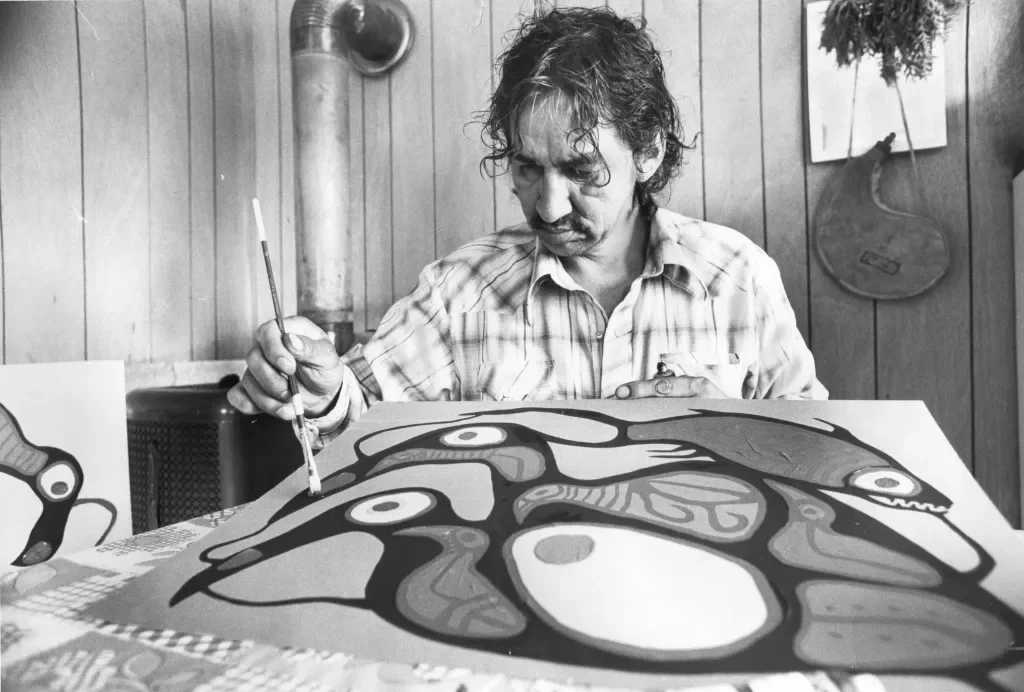
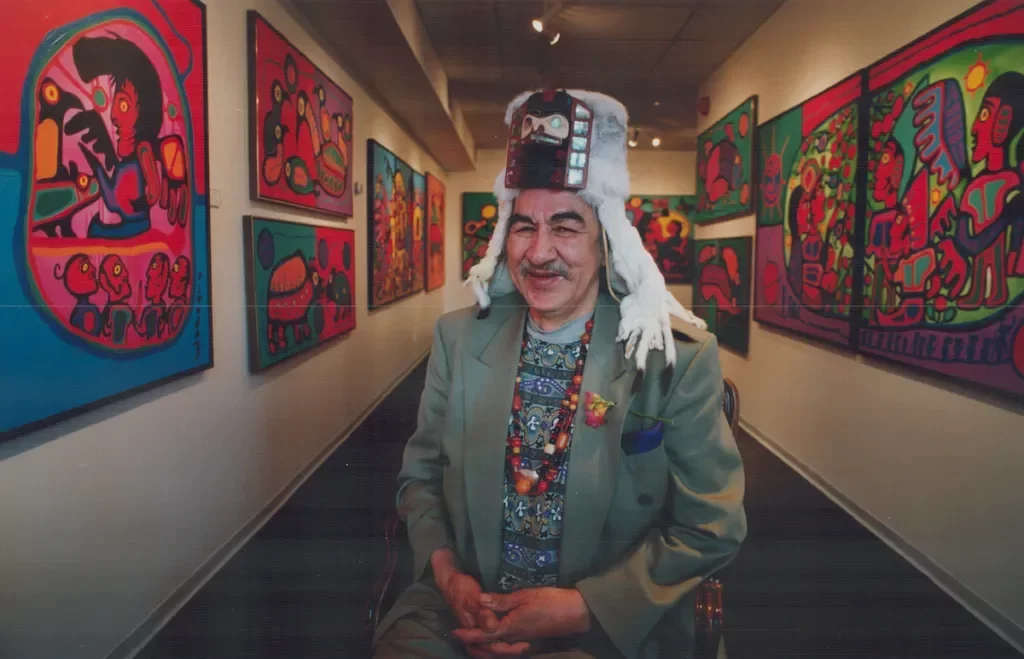
Experts estimate that this fraudulent scheme could have generated tens of millions of dollars, overwhelming the market with fakes, often outnumbering genuine pieces. Morrisseau, who passed away in 2007, is celebrated as a pivotal figure in contemporary Indigenous art in Canada, often referred to as the "Picasso of the North," with his works featured in prominent institutions like the National Gallery of Canada.
While Cowan's conviction seemed to signal an end to the legal proceedings, the recent courtroom developments suggest that the repercussions of this forgery scandal are far from over.