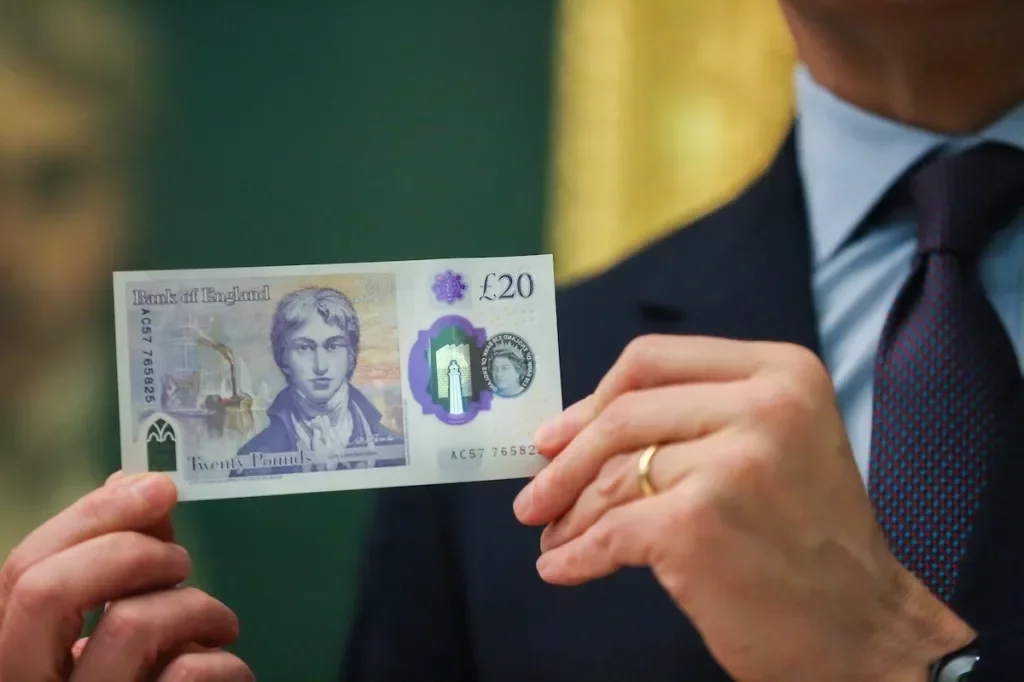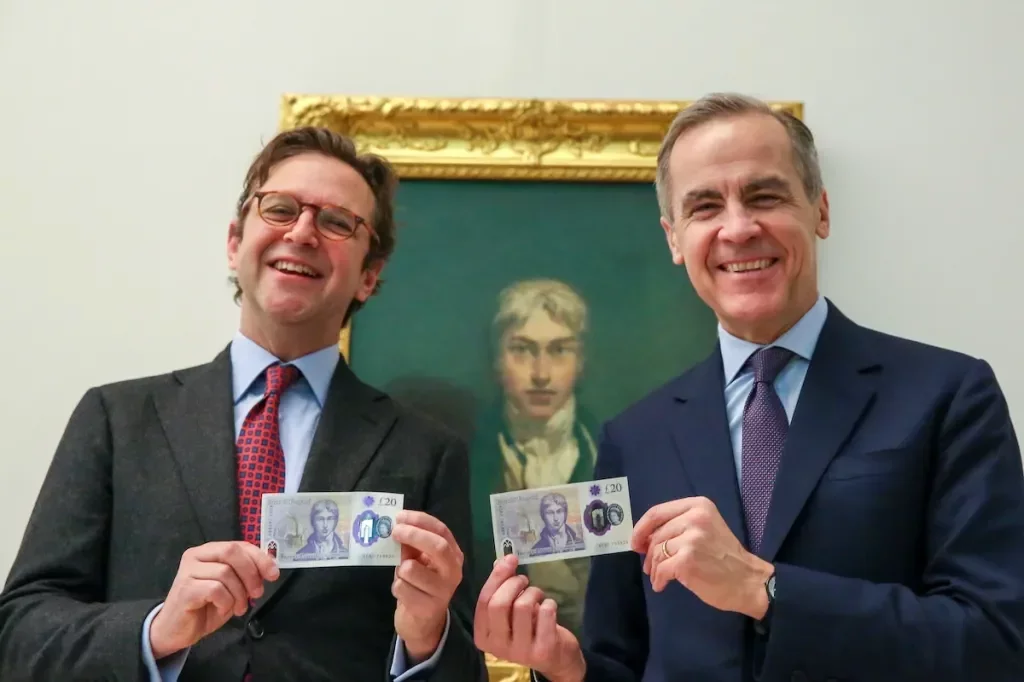
One of the most recognized self-portraits of J.M.W. Turner, featured on the £20 note, may not be the work of the famed artist after all. Art historian James Hamilton, known for his extensive writings on Turner and his biography Turner--A Life, has recently suggested that the painting has been misattributed.
While the portrait, believed to have been created around 1799, does portray the English Romantic painter, Hamilton posits that it was actually painted by John Opie, a notable portrait artist of the time.
Hamilton's investigation into the portrait has spanned several years, particularly after he featured it on the cover of his biography. He argues that the painting was incorrectly included in the Turner Bequest, a collection of 300 oil paintings and 30,000 sketches and watercolors that Turner gifted to the state following his death in 1851.
"Turner's relations contested the will, leading to a protracted court case. Ultimately, the judge ruled that the family could keep the money, while the nation received the artworks--not just those Turner intended to be part of the collection, but everything found in his studio," Hamilton explained. "Many pieces were left in disarray in Turner's residence on Queen Anne Street."
Given that the portrait dates back to when Turner was around 24 years old, Hamilton notes that its stylistic elements align more closely with Opie's techniques. Opie, who was 14 years Turner's senior, was renowned for his dramatic use of light in portraits, a characteristic evident in the painting in question.
This week, Hamilton published his findings in Turner Society News and has urged the Tate, which currently holds the painting, to consider reattributing it to Opie. However, two other experts on Turner have expressed doubts regarding Hamilton's conclusions. The Tate has indicated that it will review Hamilton's research in the near future.
As the dialogue surrounding this artwork unfolds, it highlights the ongoing evolution of art attribution and the importance of scholarly research in understanding and preserving cultural heritage.