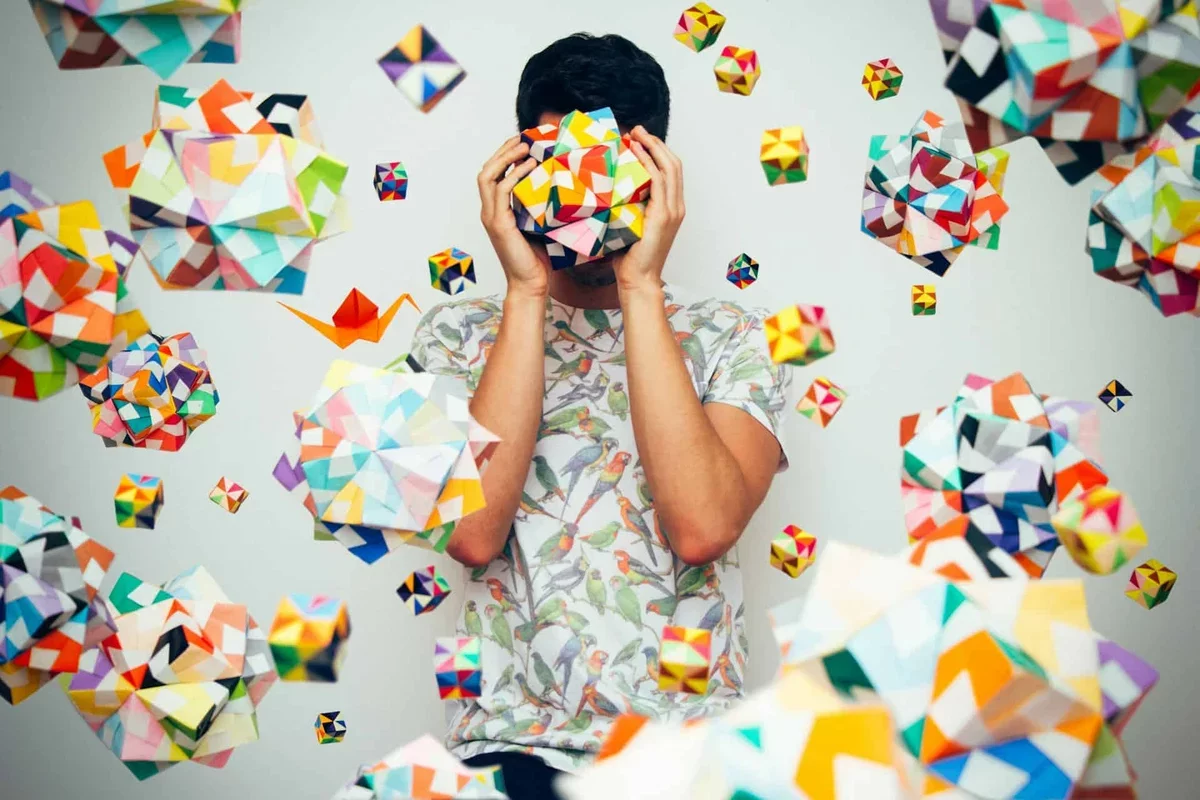
Imagine closing your eyes and visualizing a coffee cup. The image that forms in your mind is as vibrant as reality, yet it exists solely in your imagination. This intriguing phenomenon raises the question: how does the brain create such vivid mental images?
Recent research indicates that when we envision an object, our brain activates the same neurons that were engaged when we first observed that object in the real world. This connection between perception and imagination has been a topic of interest among scientists for years. While functional MRI scans have shown overlapping brain regions involved in both activities, they do not provide insight at the level of individual neurons.
To delve deeper, neuroscientists at Cedars-Sinai Medical Center in Los Angeles conducted a groundbreaking study involving 16 adults with severe epilepsy. By implanting temporary electrodes in their brains for medical purposes, the researchers were able to monitor the activity of hundreds of individual neurons in the ventral temporal cortex, a key area for visual processing.
Eavesdropping on the Visual Brain
The participants were shown 500 images, ranging from faces to everyday objects, while the researchers recorded the electrical activity of over 700 neurons. The findings revealed that these neurons responded specifically to distinct visual stimuli. To decode how these cells translate complex images into biological signals, the team employed advanced machine learning techniques.
"Artificial intelligence played a crucial role in our research," explained Varun Wadia, a postdoctoral scientist involved in the study. The team utilized artificial neural networks to analyze the visual features of the images, discovering that 80% of the responsive neurons tuned into specific mathematical characteristics within those images.
The Blueprint of Imagination
What happens when we close our eyes? The researchers asked some participants to mentally visualize objects they had just seen. Remarkably, about 40% of the same neurons were reactivated, firing in the same visual code.
"We create mental images by reactivating the brain cells used during the initial observation," stated Ueli Rutishauser, director of the Center for Neural Science and Medicine at Cedars-Sinai. This research demonstrates that the brain operates as a generative model, actively constructing our perceptions and memories using the same neural mechanisms.
The implications of this study extend beyond mere curiosity. Understanding the neural processes behind imagination and perception could pave the way for innovative therapies for mental health conditions, such as PTSD and anxiety disorders, which involve intrusive mental imagery.
As scientists continue to explore the triggers for this neural reactivation, the potential for new therapeutic approaches becomes increasingly promising. The insights gained from this research may transform our understanding of how we visualize and interact with the world around us.
The findings were published in the journal Science.