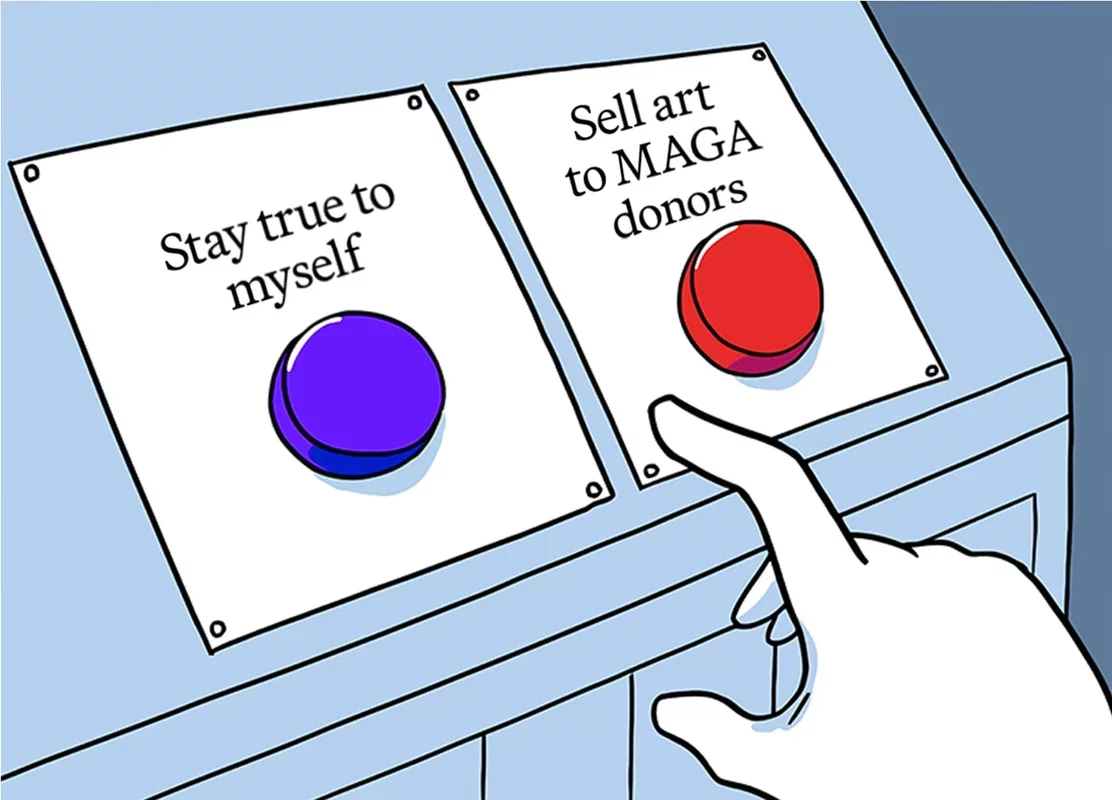
Should artists compromise their values by selling work to individuals with opposing political beliefs? This question resonates deeply among creators, especially in light of ongoing social injustices. A distressed artist from America recently expressed their turmoil over this dilemma.
The concise response is clear: artists should be cautious about selling to those whose political affiliations clash with their principles. Supporting certain ideologies can feel like an endorsement, and artists are not obligated to align with such views.
However, the ability to refuse sales often hinges on an artist's financial circumstances, their rapport with galleries, and the leverage they possess. For some, the choice may be straightforward, while for others, it could come with significant repercussions. Ultimately, the artist must weigh the potential costs.
Interestingly, individual artists often have more power in these situations than they realize, especially compared to institutions heavily reliant on wealthy patrons.
Political affiliations can undermine the core values of art institutions dependent on affluent donors. Museums and galleries frequently grapple with the challenge of maintaining funding while adhering to ethical standards. The stakes are high, as demonstrated by the Kennedy Center's notable closure due to political pressures.
For individual artists, declining a sale may not carry the same weight. While financial stability is crucial, collectors are typically interchangeable, unlike the fixed donor relationships that institutions maintain.
So, how can artists navigate this landscape?
If you sell directly through your website, implementing a policy to donate a portion of your earnings to a cause aligned with your beliefs can deter certain buyers. This approach can signal your values without directly confronting potential customers.
For those working with galleries, it's essential to communicate your stance clearly. Requesting buyer transparency before finalizing sales is a proactive step, though it may create tension with gallery owners.
Some galleries may be receptive to these requests, while others might resist due to their reliance on sales. If a sale is essential for your career, the dynamics can quickly become complex.
Even when galleries aim to act ethically, their dependence on collectors can constrain their options. A recent demonstration by New York galleries showcased solidarity for victims of violence, yet it remained largely symbolic, as no commitments were made to stop selling to politically aligned collectors.
High-profile artists wield significant influence in this discussion. Actions taken by artists like Amy Sherald and Philip Glass, who withdrew from prominent exhibitions and performances in response to political issues, garnered substantial media attention.
Your position as an artist may fall somewhere between the limited power of a gallery and the substantial leverage of high-profile creators. Instead of viewing this as a matter of financial loss, consider the reputational implications of your choices.
While it may seem trivial now, aligning your work with buyers who support ideologies you oppose can have lasting effects. For many artists, the answer to whether they want their work associated with such individuals is a resolute "No." If possible, collaborate with your gallery to refuse such sales, but even if that's not feasible, you can still exert influence through your purchasing decisions.
Research the companies you support and opt for those that align with your values. While this may seem like a smaller effort compared to refusing sales, collectively, our consumer choices can drive significant change. This year, let's ensure our spending reflects our values.