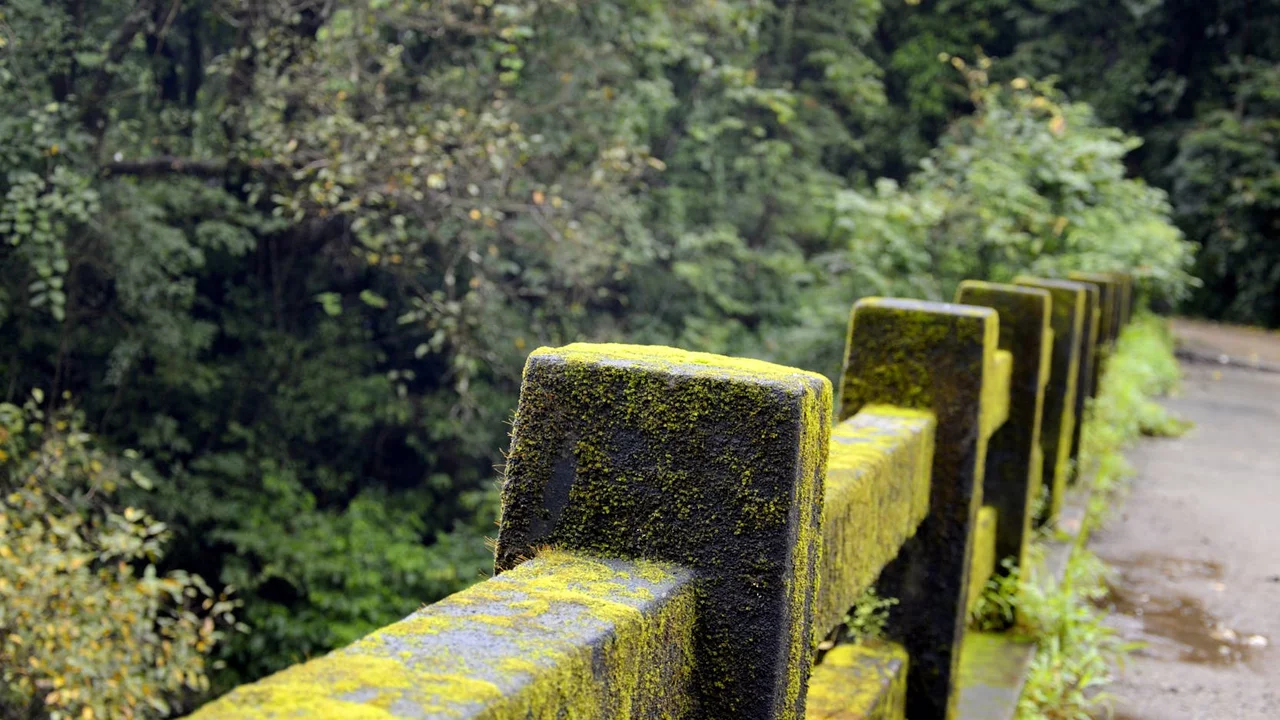
In an innovative approach to environmental management, researchers are exploring the potential of moss as a sustainable solution for mitigating flash floods and reducing air pollution along roadways in Europe. Traditionally, grass has been the go-to plant for stabilizing soil and maintaining the aesthetics of roadside landscapes. However, moss is now gaining recognition for its unique properties that could offer significant ecological benefits.
Moss, unlike conventional plants, absorbs water and nutrients directly from the air, allowing it to thrive in challenging environments where grass often fails. This small, rootless plant can flourish in thin soils and shaded areas, making it an ideal candidate for roadside applications. Once established, moss requires minimal maintenance, reducing the need for regular mowing and associated labor costs.
Moss and Air Quality
One of the most compelling attributes of moss is its ability to capture air pollutants. Moss acts as a bioindicator, effectively monitoring environmental pollution levels. Studies have shown that moss can absorb harmful substances, including heavy metals and particulate matter, from the atmosphere. By planting moss along busy roads, it may help intercept airborne pollutants before they disperse into nearby communities.
In addition to its air-cleaning capabilities, moss also plays a crucial role in managing water runoff. Many moss species function like natural sponges, capable of absorbing multiple times their weight in water and releasing it slowly. This characteristic can significantly reduce the speed of rainwater runoff during heavy storms, alleviating pressure on drainage systems and mitigating the risk of flash floods.
For instance, the UK, with its extensive road network, stands to benefit immensely from integrating moss into roadside landscapes. By enhancing vegetation that captures pollution and manages water, the ecological footprint of roadways can be transformed.
Supporting Biodiversity
Roadside vegetation, including moss, contributes to biodiversity by providing habitats for various organisms. Road verges can serve as vital corridors for insects and other small species, promoting ecological connectivity in landscapes impacted by urbanization and agriculture. Moss-dominated areas can create microhabitats that support invertebrates and microorganisms, ultimately contributing to the overall health of local ecosystems.
While moss presents a promising solution, it is not without challenges. Its slow growth rate means that establishing moss cover on new embankments may take years. Additionally, harsh roadside conditions, such as salt from de-icing, can hinder its development. Nonetheless, the potential of moss to enhance environmental resilience is undeniable.
In conclusion, incorporating moss into roadside management strategies could lead to meaningful ecological improvements. By harnessing the power of this unassuming plant, we can move towards a future where our roadways contribute positively to air quality, water management, and biodiversity.