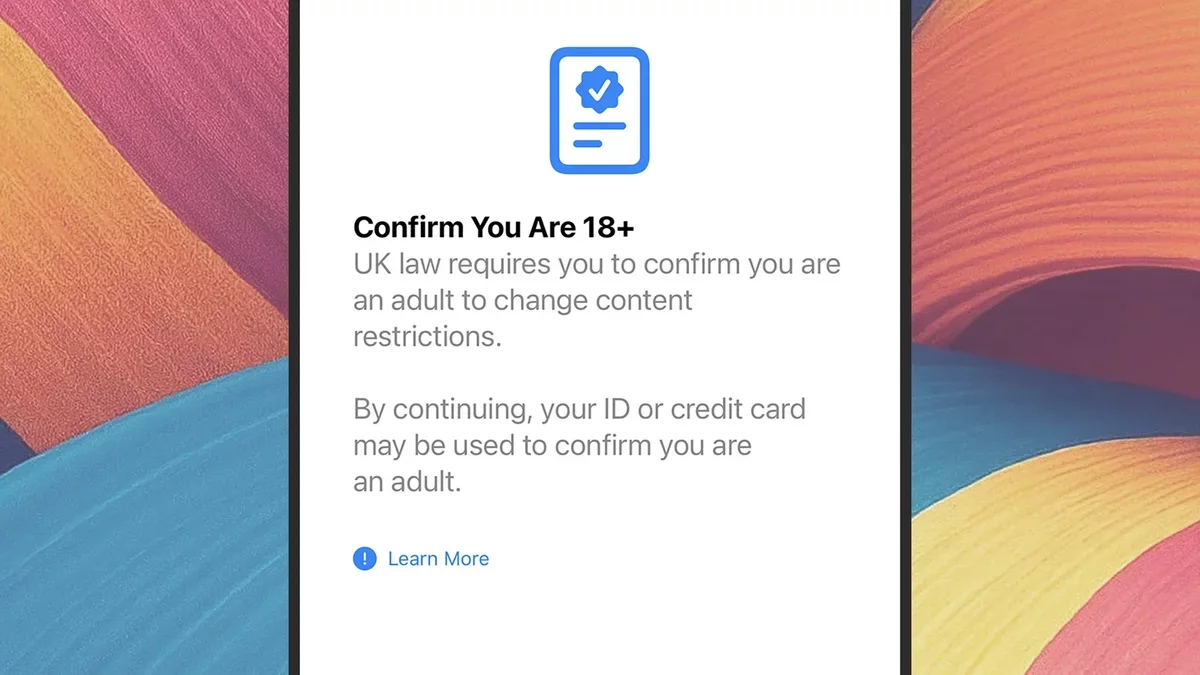
With the recent update to iOS 26.4, Apple has introduced a new age verification requirement for users in the UK. This feature, which accompanies a variety of enhancements like new emojis and AI playlists, mandates that iPhone users confirm their age upon installation. If users dismiss the initial prompt, they will receive ongoing reminders in their Settings.
For those under 18 or unable to verify their age, restrictions will be enforced, limiting access to certain websites and messaging content. While this move has sparked mixed reactions, it highlights a growing trend in digital responsibility.
Understanding the Motivation Behind This Change
Apple has not publicly elaborated on the necessity of this feature, although the iOS 26.4 update cites compliance with UK law. However, the actual legal framework--the Online Safety Act--places the responsibility for age verification on websites and apps that host adult content, rather than device manufacturers. This shift towards device-level verification is seen as a proactive measure by Apple to align with potential future regulations.
Countries like Australia have already implemented strict social media access regulations for younger users, and the UK is exploring similar initiatives. By integrating age verification at the device level, Apple aims to simplify compliance for users and potentially avert future legislative hurdles.
How the Age Verification Process Works
The age verification mechanism can be accessed through the Settings menu on iOS devices. Users can verify their age using a credit card, driver's license, or specific types of identification. However, passports and debit cards are not accepted, which may pose challenges for some users in proving their age.
Upon confirming age eligibility, users may find that their Apple account's duration is utilized as a verification method, eliminating the need for additional documentation. Yet, some users have reported difficulties with the verification process, particularly those without credit cards or the appropriate identification.
Future Implications of Age Verification
While the implementation of age verification may seem inconvenient, it reflects a broader shift towards enhanced online safety measures. Recent legal decisions have established that tech companies could be held accountable for the mental health impacts on younger users, emphasizing the need for protective measures.
As age verification laws gain traction globally, it is plausible that similar requirements will be adopted by other tech giants. The conversation around protecting children from harmful content continues to evolve, with organizations advocating for ethical data handling and user privacy. The UK regulator Ofcom has even praised Apple's initiative as a significant advancement for family safety.
As we move forward, the integration of age verification technologies may reshape the landscape of online interactions, fostering a safer digital environment for all users.