The Museum of Modern Art in New York will present "Eva Hesse: Wild Space, 1957-1970", a major survey of the influential German-American artist's practice. Opening from May 30 to September 25, 2027, the exhibition will bring together more than 150 works.
It will be MoMA's first major museum presentation of Eva Hesse in more than two decades, placing special focus on her drawings and their connection to her sculptures and paintings. Organized by Lanka Tattersall from MoMA's Department of Drawings and Prints, the exhibition highlights Hesse's fluid approach to material, form and artistic categories.
Drawing as a Space for Experiment
Hesse developed her visual language through abstract forms, color and an openness to uncertainty. After studying at Cooper Union and Yale University, she became a distinctive voice in New York's 1960s art scene, engaging with Minimalism while consistently pushing beyond its formal limits.
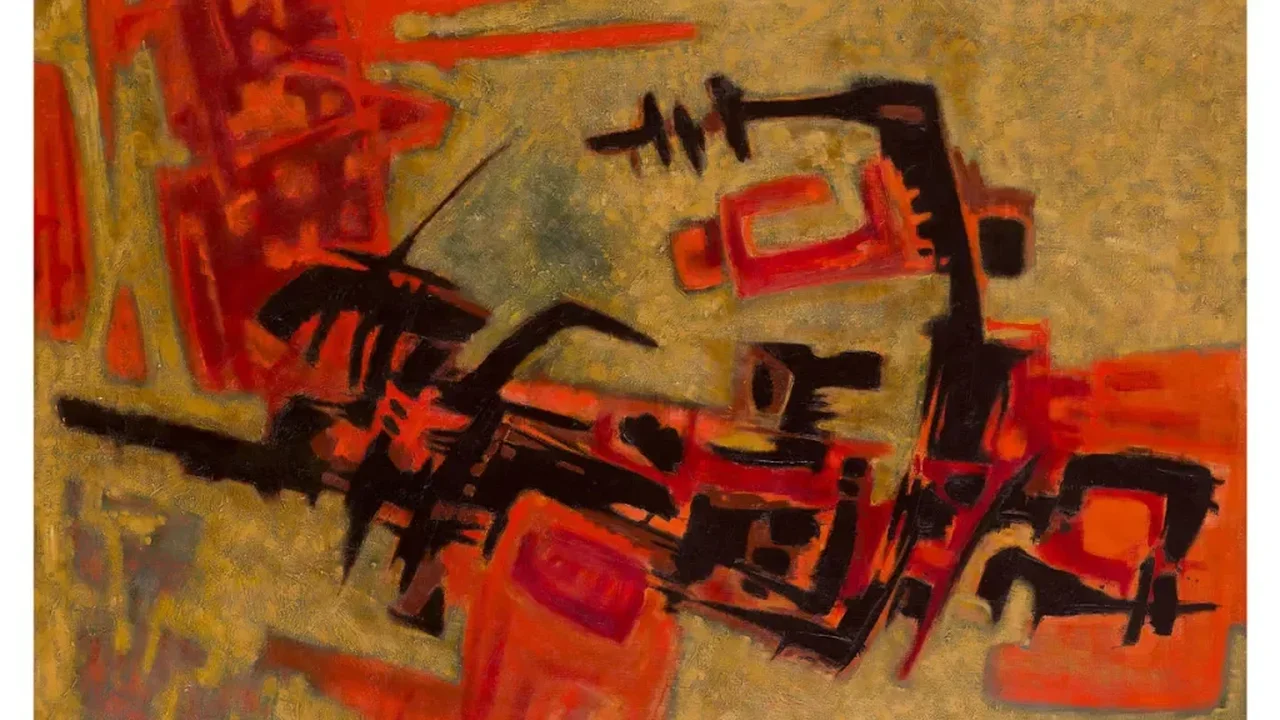
The exhibition will trace how works on paper informed her three-dimensional output. Early prints and drawings will appear alongside reliefs, paintings and sculptures that demonstrate her interest in organic shapes, industrial references and unconventional materials including latex, fiberglass and cord.
A dedicated section will revisit Hesse's 1965 works produced in a former textile factory in Kettwig an der Ruhr, Germany. By bringing together reliefs and drawings from this period, MoMA will explore how her ideas moved between flat surfaces and spatial structures.
A Landmark Work Returns to New York
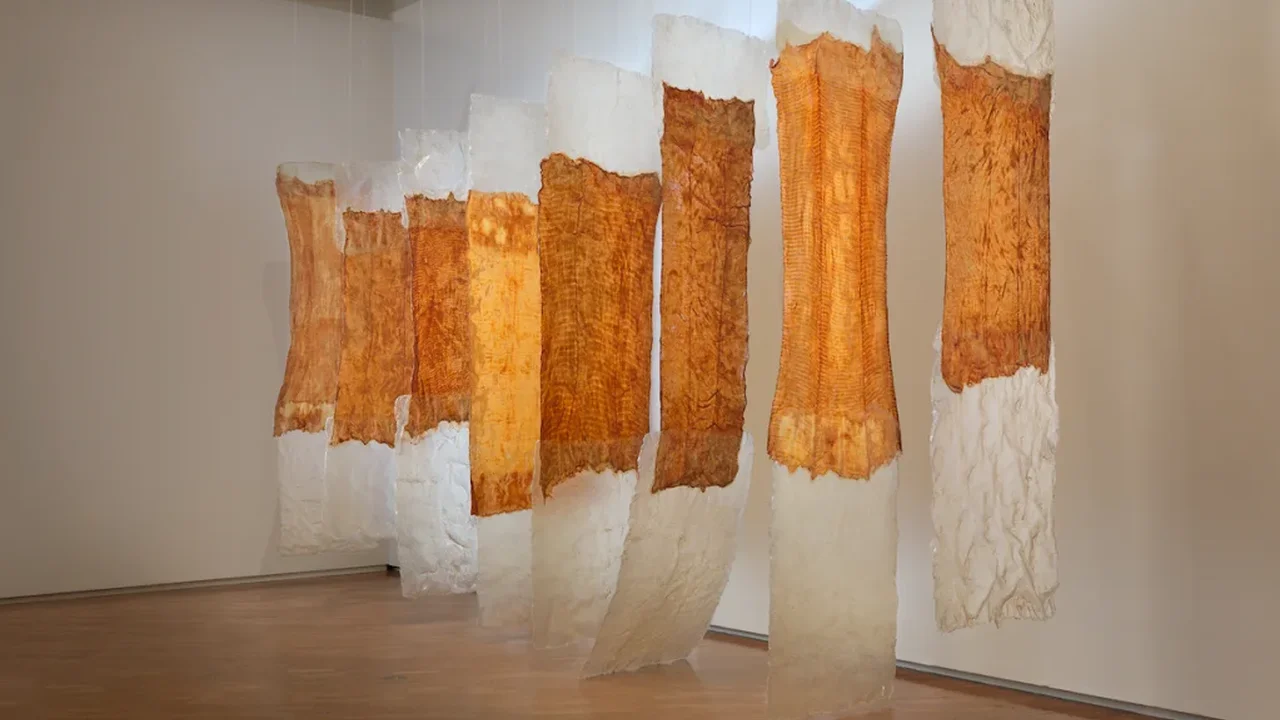
The exhibition's centerpiece will be Contingent (1969), a large-scale installation made from suspended panels of fiberglass, resin and latex-covered cheesecloth. On loan from the National Gallery of Australia, the work will return to New York for the first time since the 1970s.
Additional loans from institutions including the Art Institute of Chicago, Museum Ludwig and Moderna Museet will broaden the exhibition's view of Hesse's inventive career. By foregrounding her willingness to experiment, the presentation may inspire new generations to see artistic practice as a space for curiosity, adaptation and bold material thinking.