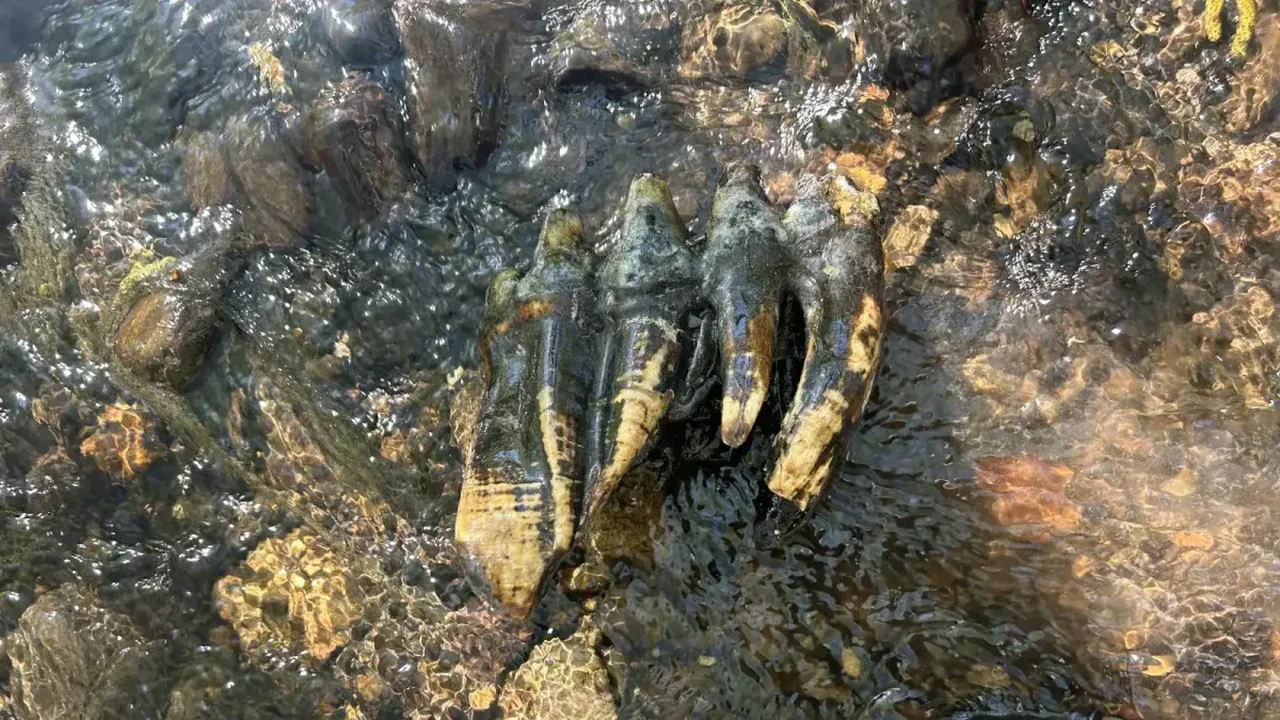
At Stanford's Cantor Arts Center, Miljohn Ruperto's latest exhibition, Fathoms (Tartarapelagic), presents a thought-provoking blend of art and technology. Visitors are greeted by a captivating display of AI-generated creatures, inspired by recently discovered species in the Pacific Ocean's Clarion-Clipperton Zone (CCZ). However, the irony lies in the fact that the very minerals--manganese, nickel, copper, and cobalt--essential for AI technology are threatening these species' existence.
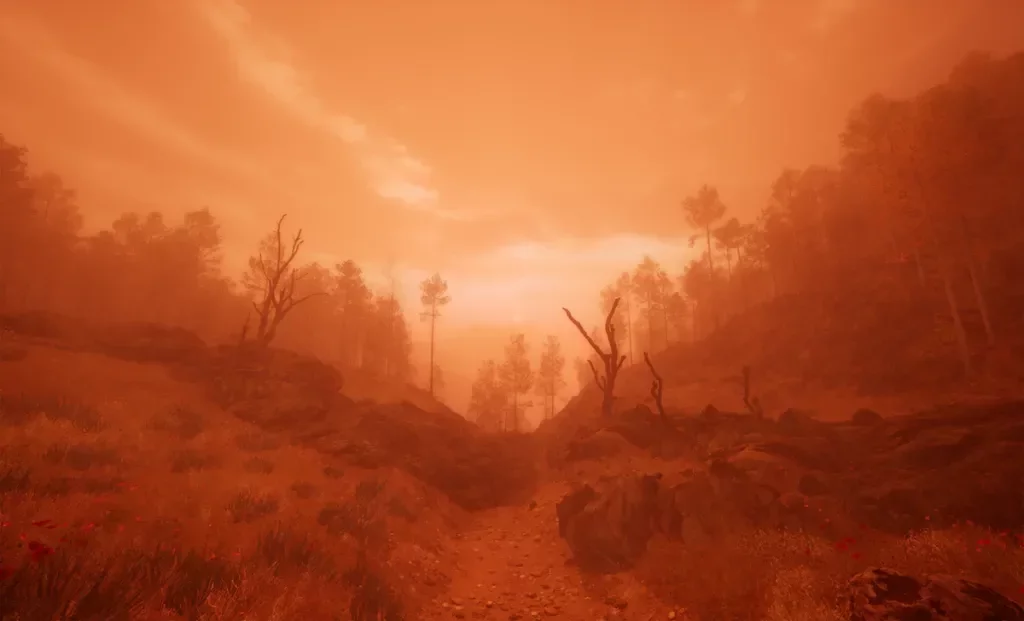
Ruperto's work challenges viewers to contemplate the relationship between knowledge and destruction. "I view this as a moral stance," he states, emphasizing our interconnectedness in a world increasingly driven by individualism. The exhibition features a reimagining of a dust storm from 1977, a direct consequence of extractive agricultural practices, alongside a book detailing the locations of 123,663 stars around a planet believed to harbor diamond cores, captivating both scientists and investors alike. "Once you name something," Ruperto notes, "it's already over."
Inside the exhibition, Ruperto's reinterpretation of Caspar David Friedrich's Monk by the Sea (1808-10) portrays a figure nearly engulfed by a stormy horizon. This artwork serves as a counterfeit Western sublime, created in a village in China known for reproducing European masterpieces. Accompanying these paintings, seven CRT televisions play a reenactment from a 1961 episode of Alfred Hitchcock Presents, highlighting our quest for salvation in a seemingly indifferent universe.
Visitors can also experience Ruperto's interactive installation, where they don Meta VR goggles to explore a digitally recreated landscape inspired by Thomas Cole's paintings. This immersive experience echoes the historical narrative of colonialism, as it invites participants to envision themselves in a world ripe for exploration and exploitation.
One of Ruperto's standout pieces, What God Hath Wrought (Kairos), presents a scene from the 19th-century Christian sect known as the Millerites, who believed in an imminent apocalypse. This work, part of his "The Great Disappointment" series, collapses time, depicting multiple interpretations of that fateful day.
Ruperto's exhibition also includes Ultimate Days (Aion), currently showcased at the Minnesota Street Project in San Francisco. Here, he collaborates with Stanford physicist Hideo Mabuchi to simulate a camera obscura representing the Millerites' judgment day. This monumental piece invites contemplation, as nothing significant occurs, reflecting the anticipation of an ending that never arrives.
In a new AI-generated film titled The New Society, Ruperto explores a dystopian world where children are raised in a simulated environment of total equality. The narrative highlights the tension between idealism and reality, as characters grapple with the hollowness of their desires.
As visitors leave the exhibition, they are left pondering the implications of Ruperto's work, which skillfully intertwines art, technology, and the environment. This innovative approach not only stimulates dialogue about our present but also invites reflection on the future of humanity's relationship with nature and technology.