Visualize your brain as a sophisticated restaurant. Typically, the kitchen operates seamlessly: fresh nutrients (proteins) are delivered daily, while a dedicated cleanup team (microglia) efficiently removes any waste before it spoils. However, as this "restaurant" ages, complications can arise. The staff may neglect to dispose of waste, leading to overflowing trash bins, and the cleanup crew may start hoarding old, spoiled items.
A groundbreaking study from Stanford University suggests that this "waste management issue" could be a key factor in the onset of Alzheimer's disease. By utilizing "glow-in-the-dark" molecular markers to monitor proteins in live mice, researchers found that the maintenance of neuronal health significantly declines with age, potentially contributing to the cognitive deterioration that has proven challenging to address.
An Often Overlooked Indicator
Research on Alzheimer's typically emphasizes two prominent features: amyloid plaques and neurofibrillary tangles.
Amyloid plaques, sticky clusters found between brain cells, are certainly associated with Alzheimer's, but attempts to eliminate these plaques through medication have not effectively alleviated or slowed the disease's progression. Thus, they may not be the primary culprits.
Conversely, neurofibrillary tangles, which consist of aggregates of a protein called tau, are strongly indicative of the disease's development and progression. The tau protein is crucial for maintaining the structure and functionality of neurons.
Yet, there exists another, frequently disregarded aspect: tiny lipid droplets found not in neurons but within microglia, the brain's cleanup cells.
Microglia are tasked with maintaining brain health, so it stands to reason that they might influence Alzheimer's. However, studying these lipid anomalies presents challenges. They are difficult to isolate and can inadvertently be removed during sample preparation.
"By the time we analyze an autopsied brain sample, it has often been rinsed with alcohol, which removes lipids," explained Dr. Tony Wyss-Coray, a professor of neurology and director of the Knight Initiative for Brain Resilience at the Wu Tsai Neuroscience Institute. "As a result, we might overlook them."
Focusing on the Third Marker
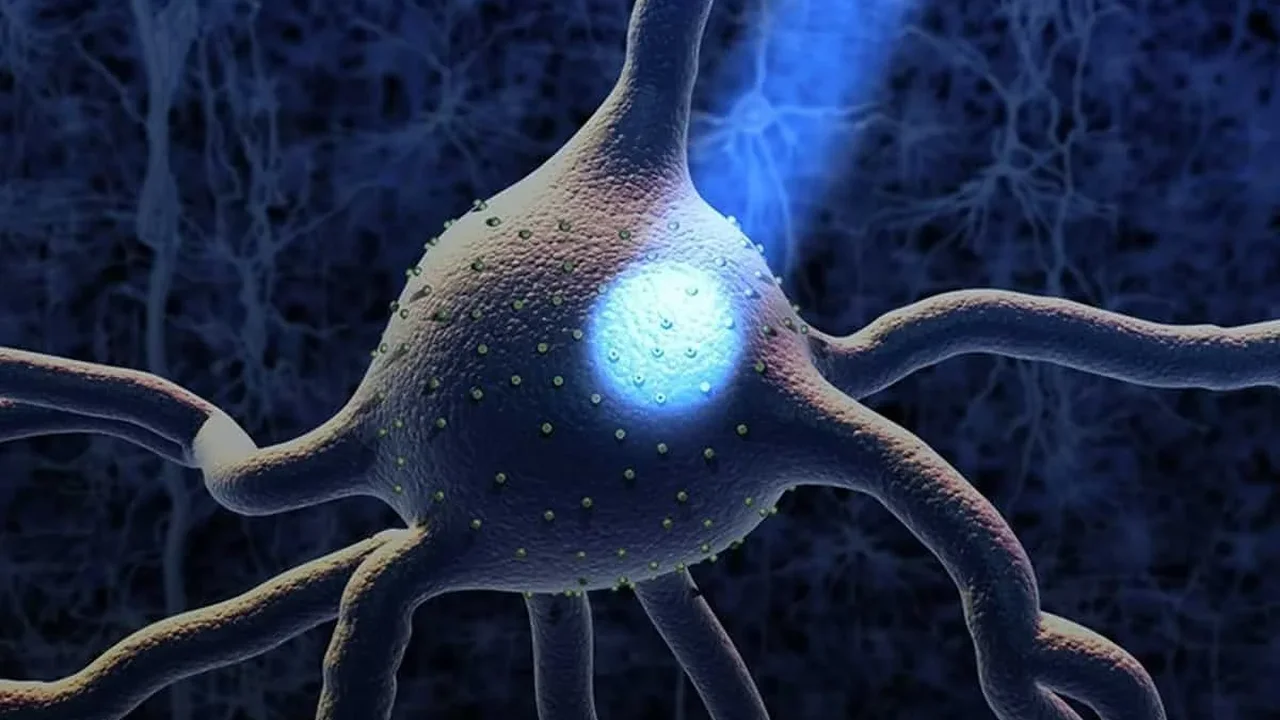
To gain new insights, the Stanford team developed innovative tools. They created "bioorthogonal" tags--essentially microscopic, luminescent stickers--that can be attached to newly synthesized proteins in specific neurons within living mice.
By tracking these tags over time, researchers could observe the lifespan of proteins before they were degraded. They discovered that in younger brains, proteins are swiftly replaced, ensuring that the molecular "machinery" remains operational. In older brains, however, these proteins persist for twice as long, increasing the risk of damage or misfolding.
In simpler terms, the duration required for a neuron to eliminate its proteins approximately doubles between the ages of 4 months and 24 months in mice (which is roughly analogous to the transition from early adulthood to late adulthood in humans).
The stability of these proteins varies across different brain regions, such as the hippocampus and cortex.
Encouraging Cleanup Crews to Fulfill Their Duties
Microglia constitute about 15% of all brain cells. Acting as the brain's immune cells, they function similarly to macrophages, responsible for engulfing cellular debris and maintaining equilibrium. They actively patrol the brain, searching for waste, dead cells, and harmful invaders to consume.
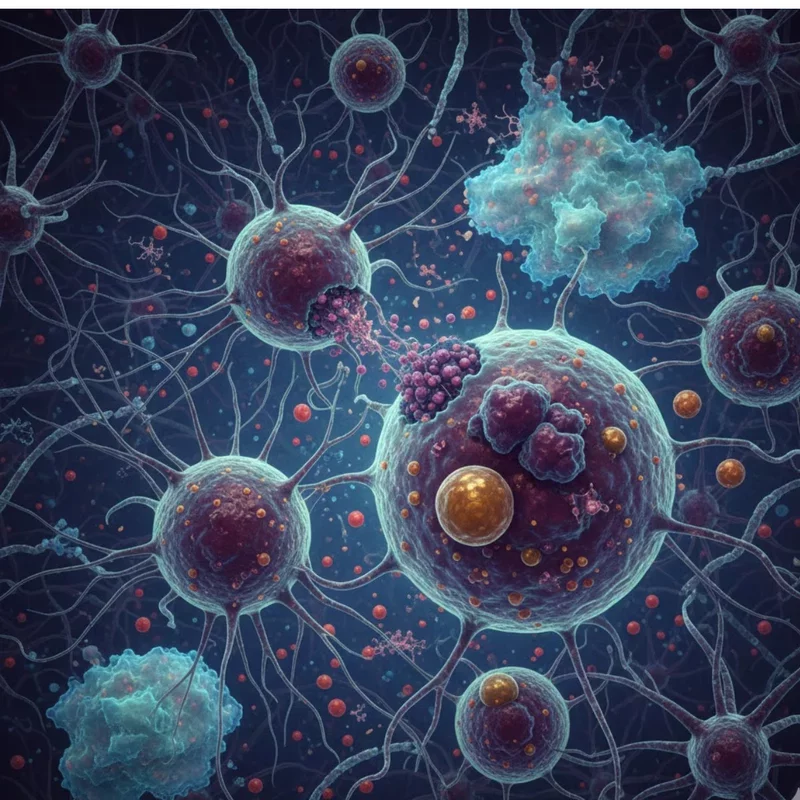
For a long time, microglia were regarded as the solution to brain health issues. However, the Stanford study suggests they may also contribute to the problem. Using their novel tagging system, researchers found that these "cleaning" cells accumulate substantial amounts of neuronal proteins as they age.
Specifically, the study revealed that synaptic proteins--essential for neuron connectivity--were significantly enriched within aged microglia. This indicates a troubling sequence of events: first, neurons fail to adequately break down their proteins, leading to aggregation. Subsequently, microglia attempt to rectify the issue by engulfing and consuming the very synapses involved in neuronal communication.
This may be a desperate survival strategy, as microglia might be trying to prevent the spread of harmful aggregates. However, the downside is that consuming synapses results in the loss of the connections essential for thoughts and memories.
Implications for Human Health
Although the primary data originated from mice, researchers confirmed their findings by examining human brain tissue, discovering similar protein aggregates in the brains of older adults. This suggests that the "waste management crisis" is a common feature of aging across mammals.
Scientists believe this "aggregome"--a vast collection of proteins accumulating in the aging brain--could be significant in the context of Alzheimer's, and treatments may need to focus more on microglia.
This aligns with previous research indicating a connection between microglia and brain disorders like Alzheimer's. For decades, efforts to treat Alzheimer's and Parkinson's have centered on targeting individual proteins, such as amyloid-beta or alpha-synuclein. However, this study highlights the need for a broader perspective, emphasizing the importance of ensuring that the brain's cleanup crew operates effectively.
This research was published in Nature.