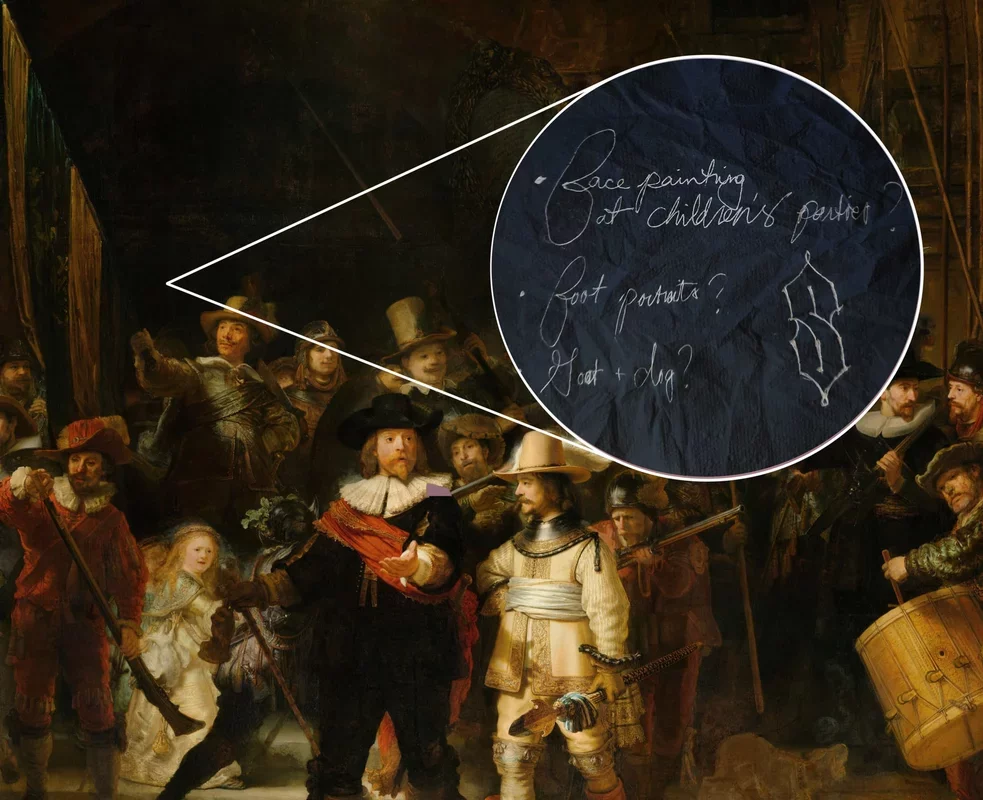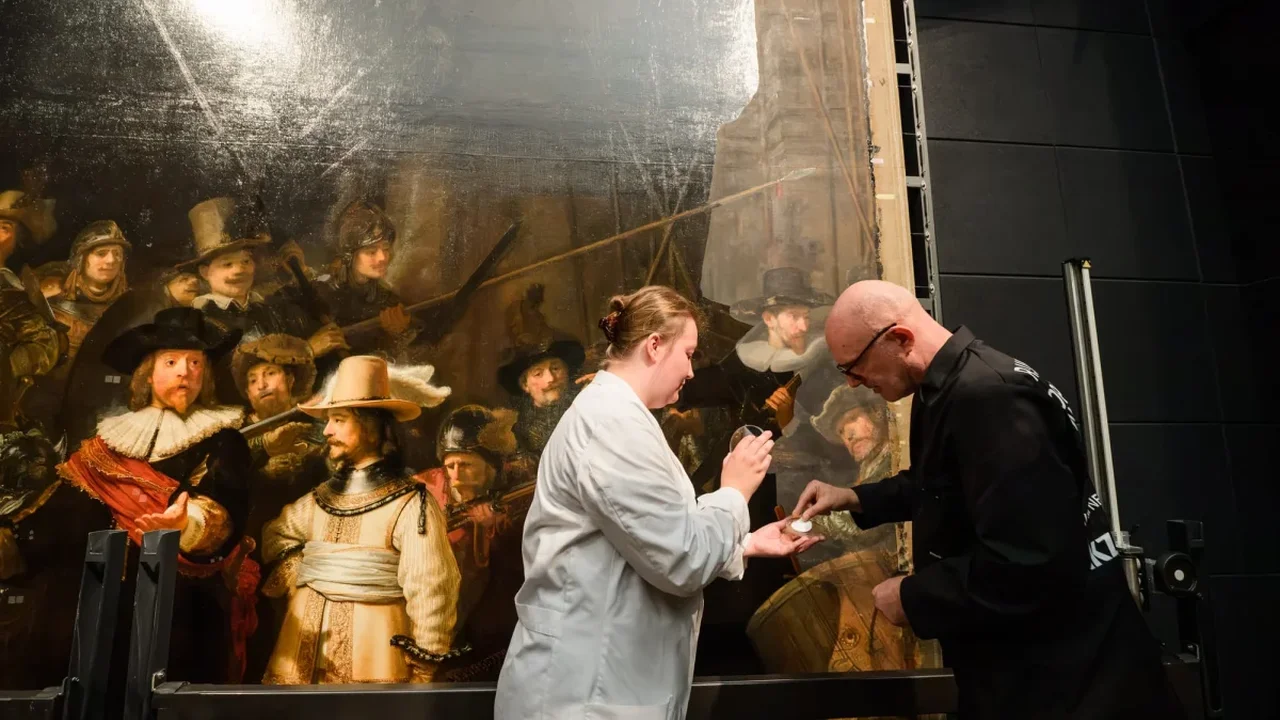
Rembrandt's 1642 masterpiece The Night Watch is being studied from an unexpected angle: the microscopic life living on its canvas. The Rijksmuseum and ARTIS-Micropia, Amsterdam's museum devoted to microbes, have joined forces to investigate the painting's microbial community.
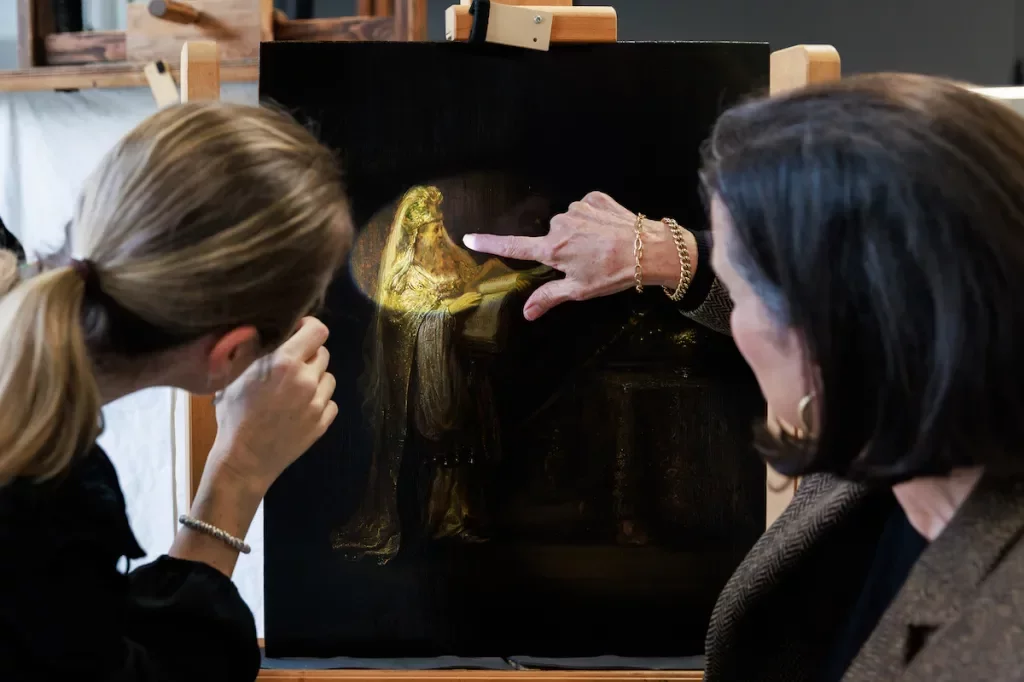
Launched on November 11, the exhibition The Night Watch Lives presents early findings and explains how researchers collect and identify samples. So far, the team has recorded 20 bacterial findings. Among them are soil-related bacteria, familiar skin microbes and Microbacterium saccharophilum, a species first identified at a sugar refinery in Japan. How it reached the Dutch painting remains unknown.
The research is ongoing. Six sampling visits are planned, with three completed so far. Ten additional samples are being studied, and the project aims to present 60 findings. The exhibition is scheduled to continue through the end of May, with its full scope expected to take shape by February.
The work complements the Rijksmuseum's Operation Night Watch, a major research and restoration effort launched in 2019. Studying microbes could add to understanding of how the painting has changed over time and how its materials interact with the surrounding environment. Project organizers describe this as the first microbial study of its kind conducted on a work of art.
By bringing microbiology into conversation with art history and conservation, the project offers a new way to understand--and care for--cultural heritage. Such cross-disciplinary research may help shape more informed approaches to preserving artworks for generations to come.