As the demand for electricity surges, data centers are becoming increasingly energy-intensive, with some requiring power comparable to entire U.S. states. Meta's upcoming Hyperion AI data center exemplifies this trend, as it is set to consume electricity equivalent to that of South Dakota upon completion.
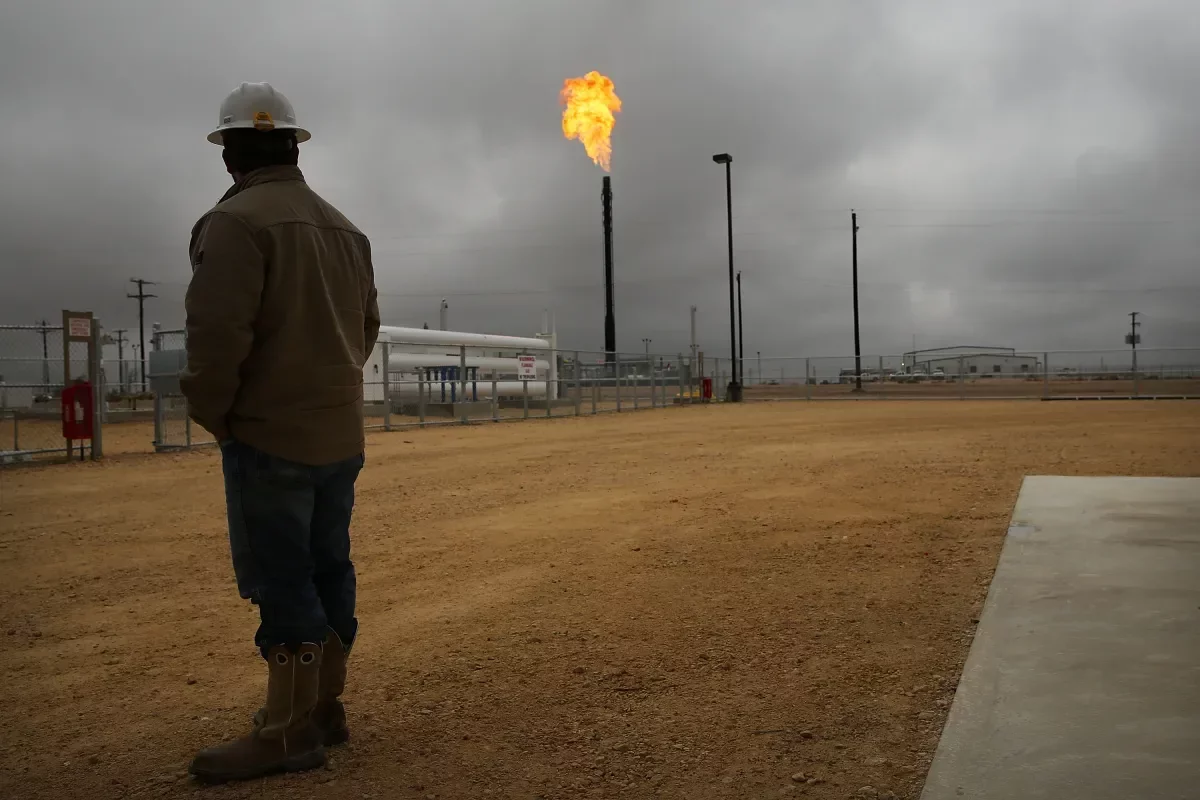
Recently, Meta announced its plan to construct seven additional natural gas power plants in Louisiana, supplementing the three already in development to support its $27 billion data center initiative. Collectively, these ten plants are projected to produce approximately 7.5 gigawatts of electricity, slightly exceeding South Dakota's total capacity.
Meta has long championed its environmental initiatives, frequently releasing sustainability reports and highlighting its investments in renewable energy. Notably, the company has made significant purchases in solar, battery, and even nuclear energy, raising questions about its decision to heavily invest in natural gas.
The Hyperion site will serve as a critical test for Meta's sustainability commitments. Natural gas is often referred to as a "bridge fuel," a temporary solution while renewable technologies continue to evolve. However, critics argue that this justification is becoming increasingly tenuous, especially as the costs of renewables and battery storage have dramatically decreased, while natural gas infrastructure expenses continue to rise.
Despite its commitment to sustainability, Meta's recent actions suggest a complex balancing act between immediate energy needs and long-term climate goals. The natural gas plants in Louisiana are estimated to emit 12.4 million metric tons of CO2 annually, which is significantly higher than Meta's overall carbon footprint reported for 2024.
While Meta may seek to offset these emissions through carbon credits, the reliance on natural gas raises vital questions about the company's transparency regarding methane emissions. Methane, a potent greenhouse gas, can significantly amplify the climate impact of natural gas, especially when accounting for leaks throughout the supply chain.
In light of these developments, the future of Meta's energy strategy will likely hinge on its ability to reconcile immediate power demands with its long-term sustainability objectives. As the company navigates this path, its actions will be closely monitored, potentially influencing broader industry practices in energy consumption and environmental responsibility.