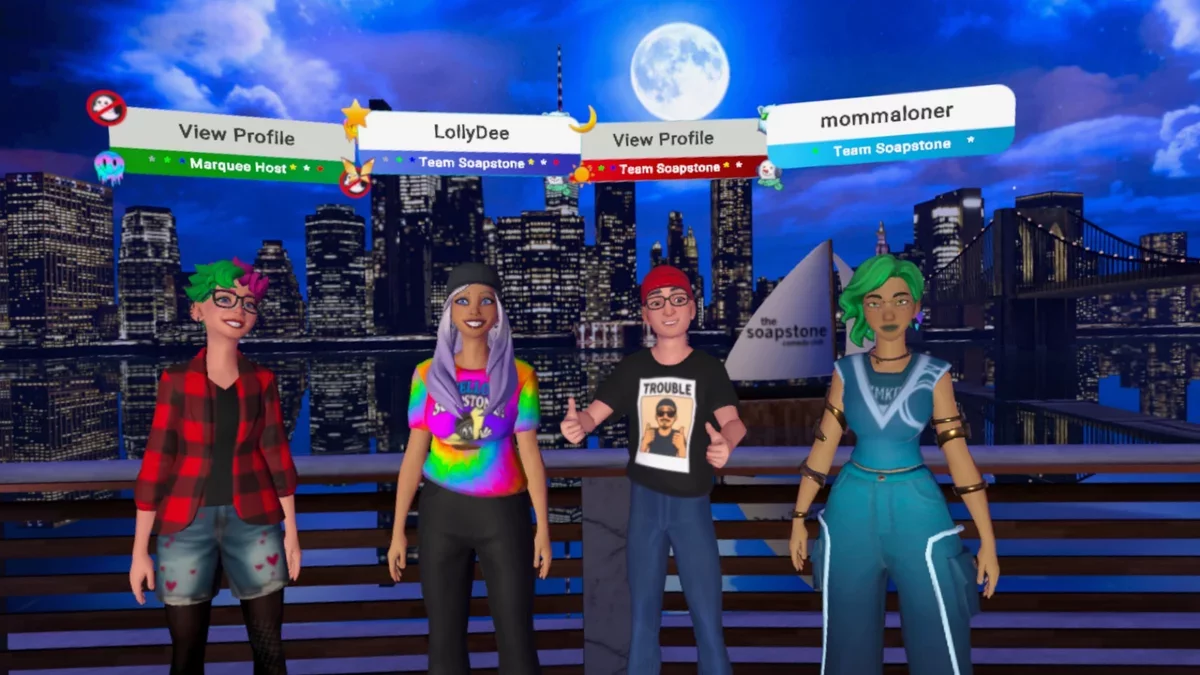
Meta has announced a significant shift in its 3D social platform, Horizon Worlds. The company is transitioning away from a VR-exclusive model to focus primarily on mobile users. This change means that Horizon Worlds, which initially catered only to VR users, will soon evolve into a mobile-only platform. In a recent blog post aimed at developers, Samantha Ryan, VP of Content at Meta's Reality Labs, explained that the decision is part of a strategy to allow both the Quest VR platform and the Worlds platform to thrive independently.
Ryan stated, "We're doubling down on the VR developer ecosystem while shifting the focus of Worlds to be almost exclusively mobile. By breaking things down into two distinct platforms, we'll be better able to clearly focus on each."
Originally launched in 2019 as Facebook Horizon, the platform was rebranded to Horizon Worlds two years later, embodying Meta's vision for a future Metaverse. However, user engagement has not met expectations, with only about 200,000 monthly users reported in 2022, despite substantial investment from the company.
Meta's Ongoing Commitment to Virtual Reality
According to Ryan, a staggering 86% of the time users spend in VR headsets is dedicated to third-party applications. This insight has influenced Meta's decision to scale back its first-party VR initiatives. Recently, the company closed its three AAA VR game studios, ceased updates for its subscription-based fitness app, Supernatural, and laid off approximately 10% of its Reality Labs team. Nevertheless, Ryan assures that Meta will continue to support third-party VR developers and plans to introduce a range of new VR headsets designed for various audience segments.
Meta's Mobile-First Strategy
This transition signals the end of Horizon Worlds as a VR-centric platform, but Meta aims to utilize its vast user base from Instagram and Facebook to enhance the competitiveness of Worlds against platforms like Roblox. The company anticipates a fourfold increase in mobile users for Horizon by 2025, positioning itself to deliver synchronous social gaming experiences on a large scale.
Impact on VR Users
With around five billion smartphone users globally, the potential for growth in the mobile platform is substantial compared to an estimated 20-30 million Quest users. While this strategy makes sense from a business perspective, it is disappointing for the dedicated VR community that has found a unique space within Horizon Worlds. Although mobile access will remain available, the immersive experience and engagement found in VR cannot be fully replicated on a traditional screen.