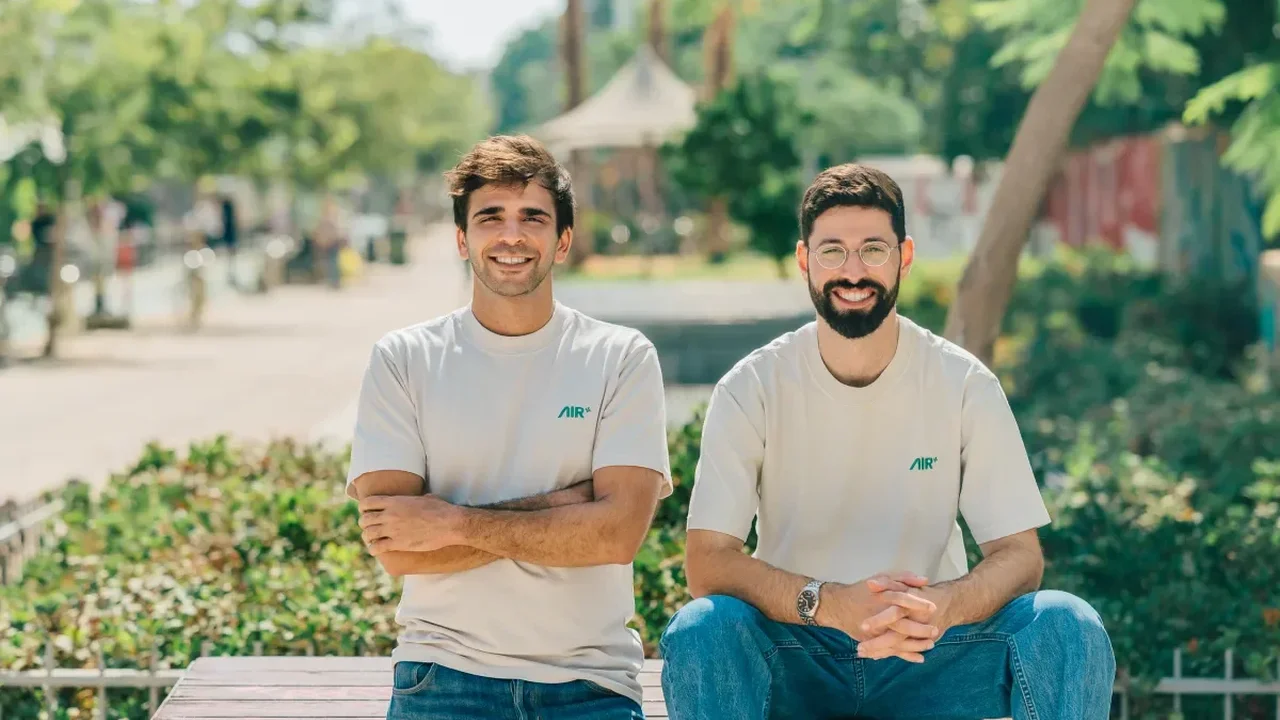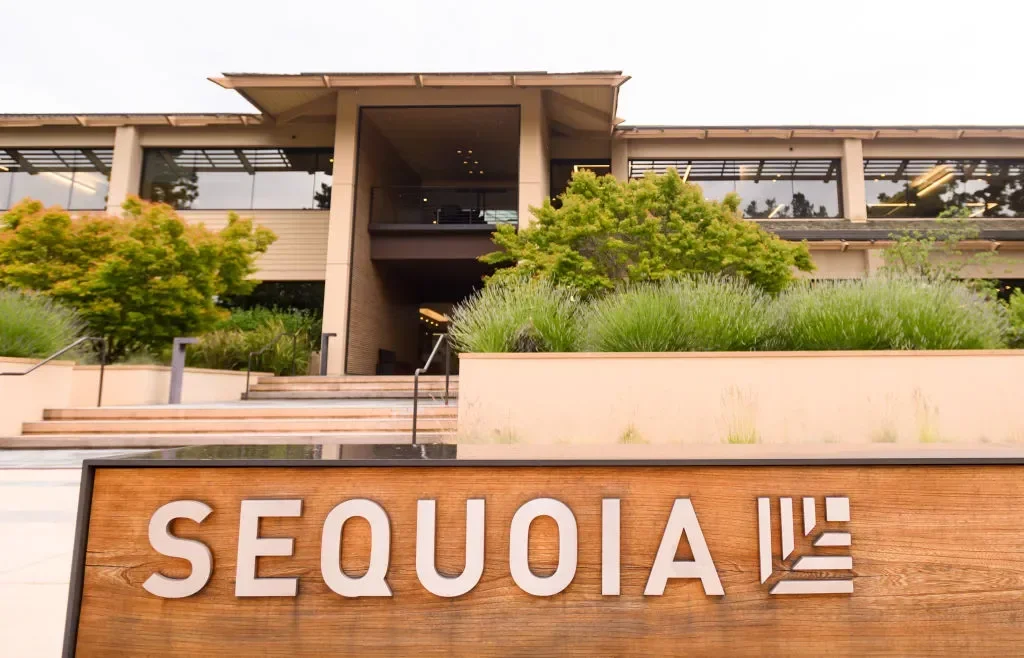
Recently, a wave of founders and entrepreneurs took to X to voice their experiences with venture capitalists (VCs), sharing stories that ranged from disinterest during pitch meetings to suggestions to dismiss co-founders. Among them, Brendan Foody, co-founder of the AI talent platform Mercor, which recently achieved a valuation of $10 billion, specifically called out Sequoia, one of the most prestigious VC firms globally.
Foody described what he termed the "sequoia scam" as a pervasive issue, stating, "In the last 6 months, I've witnessed multiple rounds where Sequoia invests in two tranches. Everyone pretends they only did the higher valuation, leading founders to misrepresent this to their employees and subsequently to angel investors."
Previous reports have highlighted the practice of VCs investing in the same funding round at differing valuations. In these scenarios, the leading VC invests a substantial amount at a lower, preferential valuation while committing a smaller portion at a significantly higher price. This creates a misleading perception of a startup's market dominance, obscuring the fact that the lead investor's actual average entry price is much lower.
For instance, when AI-driven IT helpdesk startup Serval announced a $75 million Series B at a valuation of $1 billion, the actual entry point for Sequoia was reportedly just $400 million, significantly less than the announced figure. This discrepancy highlights the gap between perceived and actual value that Foody is addressing.
Serval is not an isolated case. Aaru, another AI startup focused on simulating user behavior for market research, saw its lead investor, Redpoint, back the company at a $450 million valuation despite an announced headline price of $1 billion.
In response, Sequoia's Shaun Maguire defended the firm's practices, suggesting that the dual-pricing strategy is a reflection of market dynamics rather than a deceptive tactic. He noted that "other investors are willing to pay a high price for a hot company," prompting Sequoia to structure its investments differently. Maguire emphasized that he does not perceive any wrongdoing in their approach, framing it as a necessary adaptation to a competitive landscape.
While Foody acknowledged that Sequoia is not the only firm employing this strategy, he raised concerns about its implications for both employees and angel investors. The valuation of stock options granted to employees should ideally reflect a blended price of all investment tranches. However, 409A valuations, which determine the fair market value of private company shares, often tend to skew low, potentially leaving employees with an incomplete understanding of their options.
The dual-pricing structure exemplifies how VCs and founders navigate the perception of success within a highly competitive market. As industry practices evolve, the implications for transparency and fairness in startup valuations will continue to be a critical area for scrutiny and discussion.
As we look to the future, the ongoing dialogue around valuation practices may lead to greater transparency and accountability in the venture capital landscape, ultimately fostering a healthier ecosystem for innovation.