Geothermal developers aim to drill both faster and deeper, but intense underground heat can damage drill equipment and limit progress. Mazama Energy says its new Carbon Chill system tackles the challenge by using carbon dioxide to cool the drill bit and clear rock fragments from the borehole.
The system sends liquid carbon dioxide down the drill string. Near the drill head, the fluid passes through a nozzle and expands, rapidly cooling as it flows over the bit and its electronics. Mazama co-founder and CEO Sriram Vasantharajan says the company has increased its drilling rate by 20% compared with its already high baseline.
Why hotter rocks matter
Drilling accounts for an estimated 25% to 30% of the cost of building a geothermal power plant, so faster drilling could help lower project costs. Reaching super-hot rock--where temperatures exceed 400°C--could also increase the energy extracted from each well. At those temperatures, water can become supercritical, a state that can carry substantially more energy than water in conventional geothermal systems.
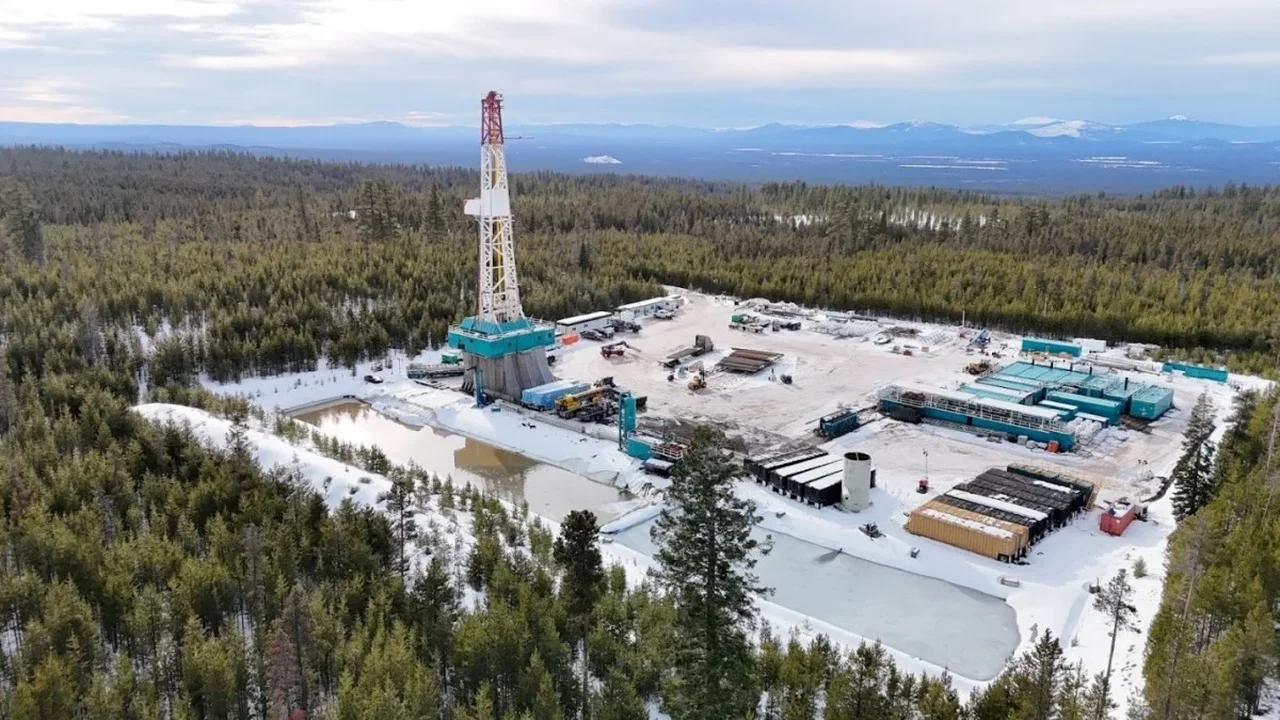
The National Laboratory of the Rockies has estimated that geothermal resources could generate 26.5 to 57 terawatts of electricity in the United States. Mazama is working to make some of that potential accessible, including through wells in Oregon that have reached extreme temperatures.
The company aims to complete a well capable of generating up to 15 megawatts of electricity by next year. If Carbon Chill helps make drilling in super-hot rock more practical, geothermal power could become a stronger source of reliable electricity in the years ahead.