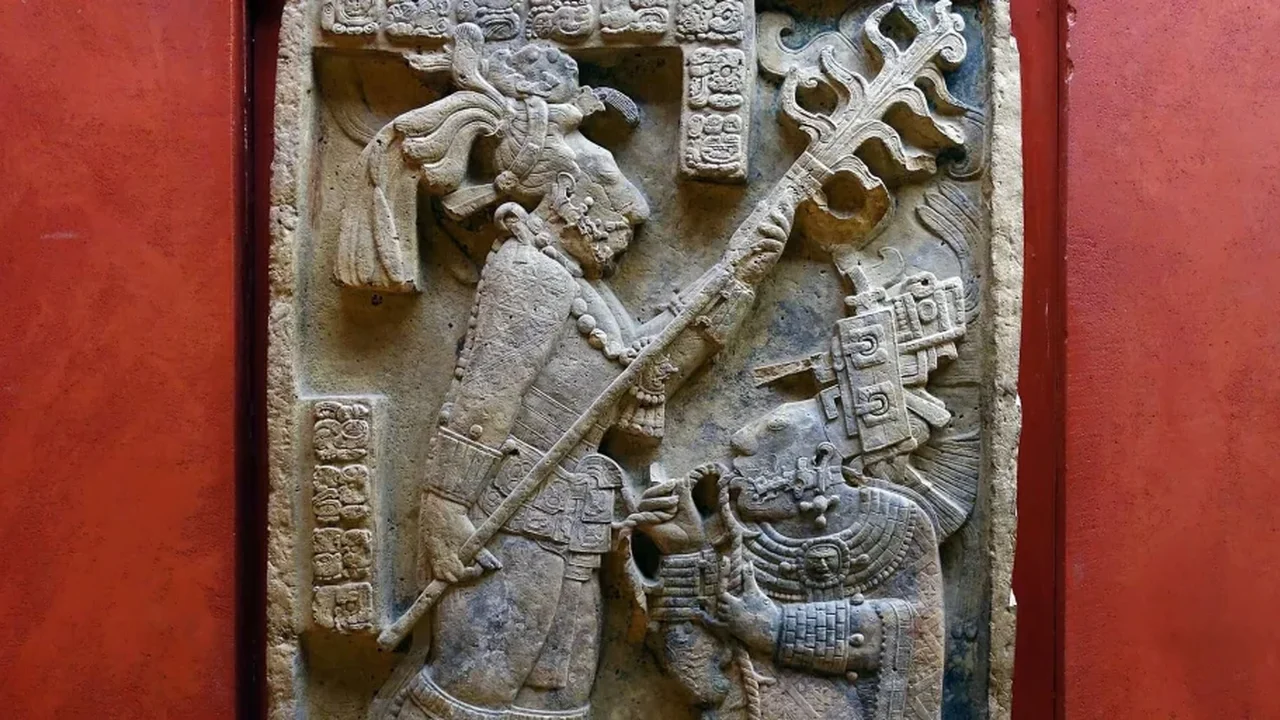
Sediment from two lakes on Mexico's Yucatán Peninsula preserves evidence of mercury pollution during centuries of Maya settlement. The findings suggest that materials used in Maya activities--including cinnabar, a mercury-rich mineral prized for its vivid red color--may have entered nearby waters. Researchers say the precise source of the mercury remains uncertain.
A team led by Matthew Neal Waters of Auburn University examined sediment cores collected in 2023 from Lago Cobá and Cenote Xcach. Layers of mud spanning more than 2,000 years allowed the researchers to trace changes in mercury levels over time.
Different lakes, distinct pollution histories
At Lago Cobá, mercury rose to about 2.3 parts per million around A.D. 250-300 before returning close to natural levels by about A.D. 520. At Cenote Xcach, levels climbed to roughly 18 parts per million around A.D. 720--nine times the benchmark associated with severe effects on aquatic life. They remained above that threshold for about 275 years.
Changes in the sediment's biological traces accompanied the contamination. Researchers found declines in tiny crustaceans, freshwater snails, insect larvae and microorganisms. At Xcach, one once-common midge type nearly disappeared as another became more prevalent.
Two other sampled lakes did not show comparable spikes, suggesting the pollution was not caused by a broad regional atmospheric event. The team proposes that mercury used on land may have washed into the lakes with eroded soil, but the evidence does not establish whether cinnabar, liquid mercury or both were involved.
Published in Science Advances, the study adds a record of human activity and ecological change to the region's history. Further work could help researchers better understand how ancient materials and land use shaped the environmental conditions communities relied on.