The kettlebell swing is a dynamic full-body movement built around one essential pattern: the hip hinge. Rather than lifting the weight with the arms, the exercise uses powerful extension through the hips to create momentum.
Build the Movement From the Ground Up
Start with feet slightly wider than hip-width and place the kettlebell on the floor in front of you. Push the hips back, bend the knees softly and grip the handle with both hands. Keep the chest open, spine neutral and core engaged.
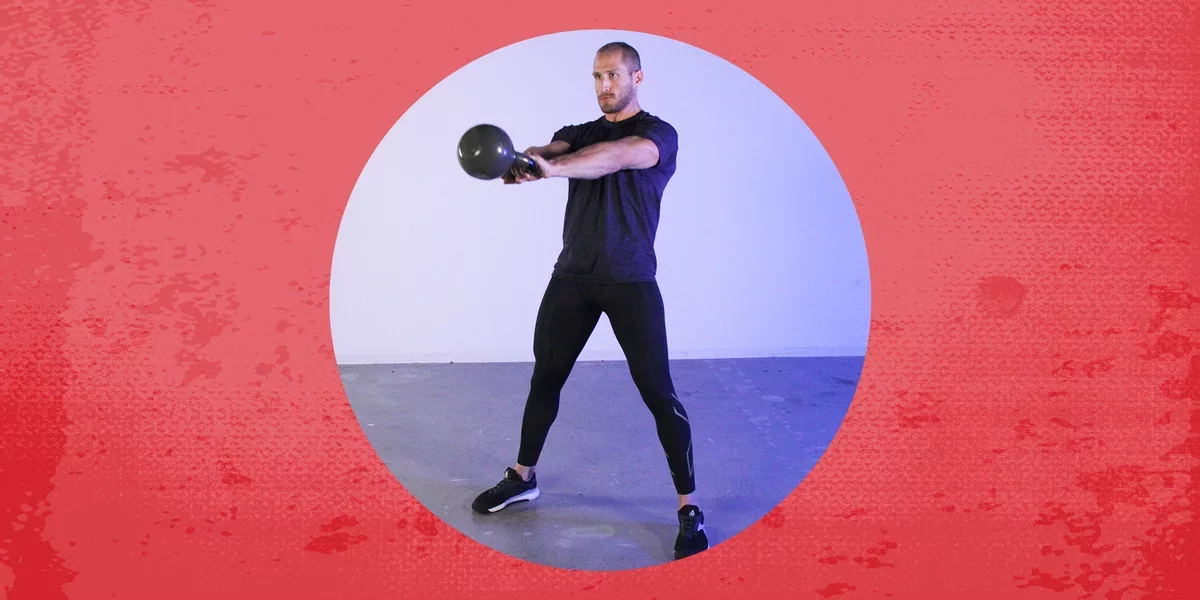
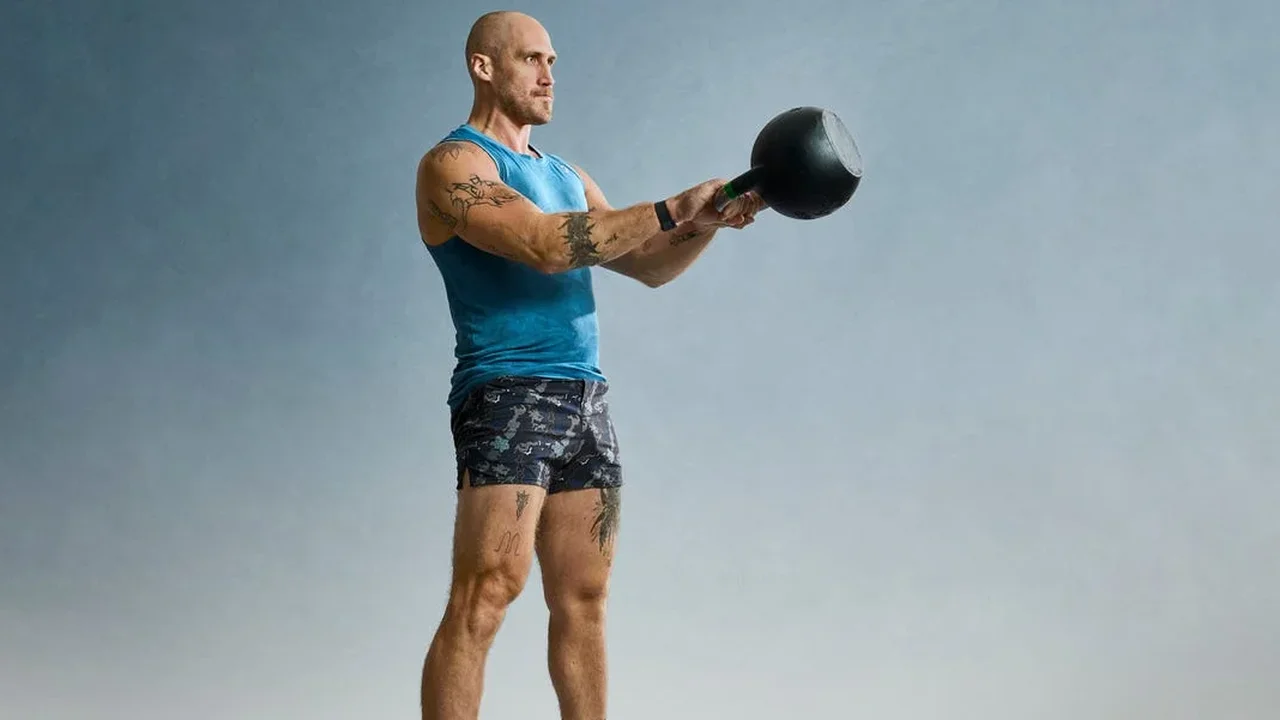
Pull the kettlebell back between the legs while keeping the arms long. Then stand tall with intent, driving through the feet and squeezing the glutes. The bell should travel forward naturally as a result of lower-body force, not an arm raise. As it returns, let its momentum guide you back into the next hinge.
What the Swing Trains
A well-executed swing develops the posterior chain, especially the glutes and hamstrings. The core, upper back, grip and forearms also work to maintain a stable position. Its explosive rhythm can support athletic movement, conditioning and everyday strength.
Key Technique Cues
Think of the arms as connectors rather than engines. Keep them relaxed but secure, while the torso remains braced. A neutral back is central throughout the exercise; avoid rounding the spine or overextending at the top.
The movement is not a squat followed by a front raise. Excessive knee bend can shift the pattern away from the hips, while actively lifting the bell with the shoulders reduces the role of the lower body. Instead, focus on a crisp hip extension and let the bell's height reflect the force generated from the legs and hips.
Breathing can reinforce the rhythm: inhale as the kettlebell moves back, then exhale sharply as you stand and drive the bell forward. Beginners can start with light loads and controlled repetitions before progressing in weight, speed or volume.
Simple Ways to Use It
For conditioning, alternate short working intervals with equal rest. For strength-focused sessions, use a heavier kettlebell for several sets of controlled repetitions. Quality matters more than height or speed: each swing should feel stable, powerful and repeatable.
As more people seek efficient training methods, the kettlebell swing may remain a practical tool for building movement quality, power and confidence in modern fitness routines.