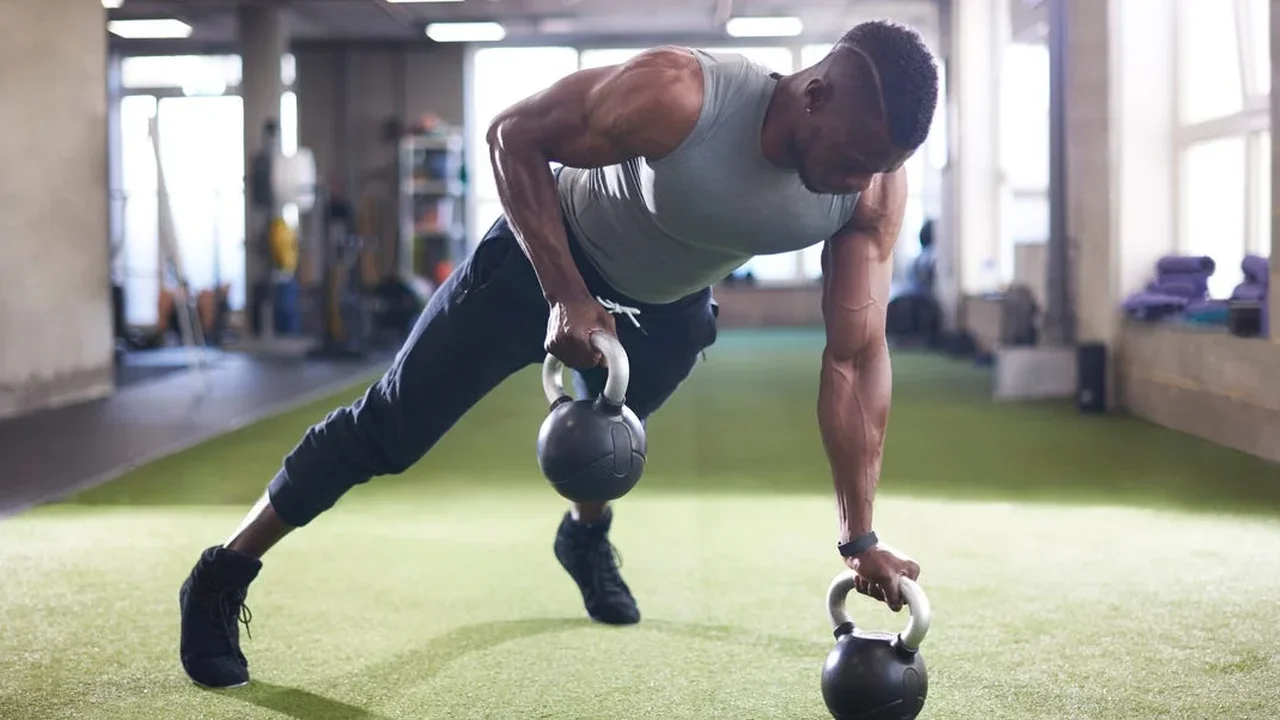
Kettlebell training combines strength, balance and coordination in one compact tool. For beginners, the best starting point is learning the basic movement patterns before increasing weight or speed. Keep your core engaged, move with control and choose a load you can handle with good form.
Build the foundations
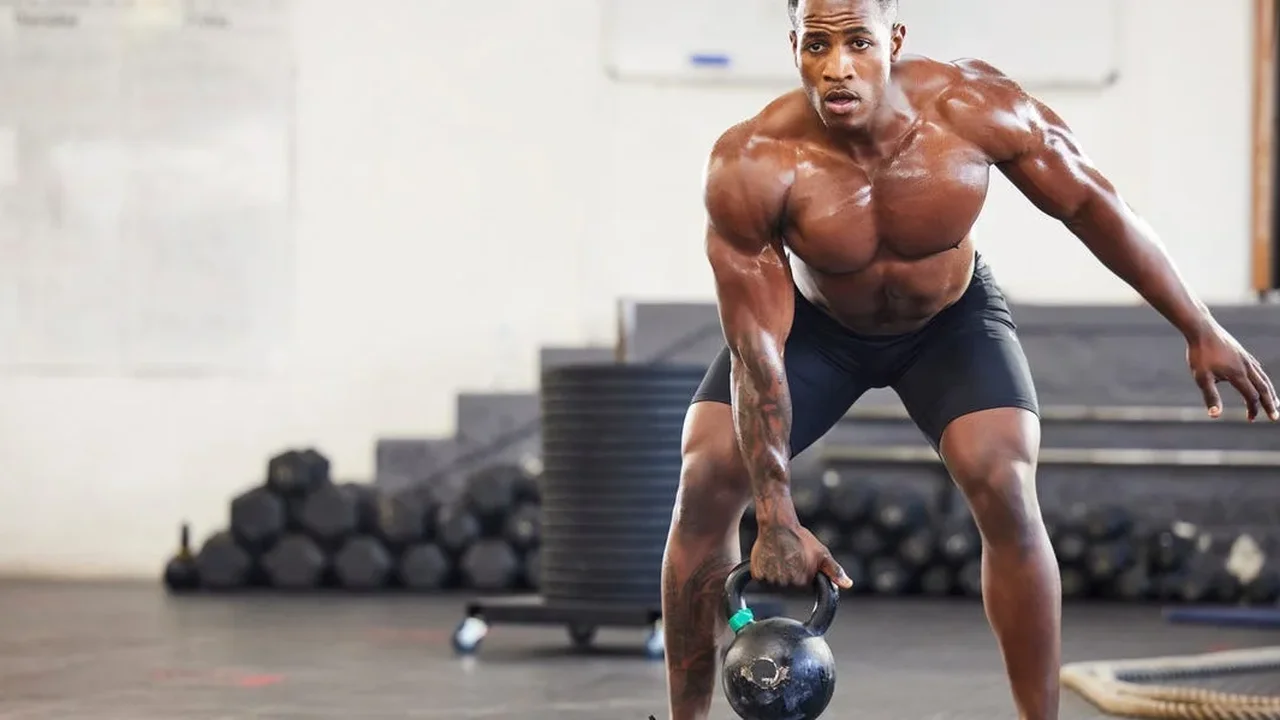
Good morning and deadlift: Both teach the hip hinge. Push your hips back while keeping your back neutral, then stand by driving through your feet and squeezing your glutes. For the deadlift, grip the kettlebell from the floor between your feet.
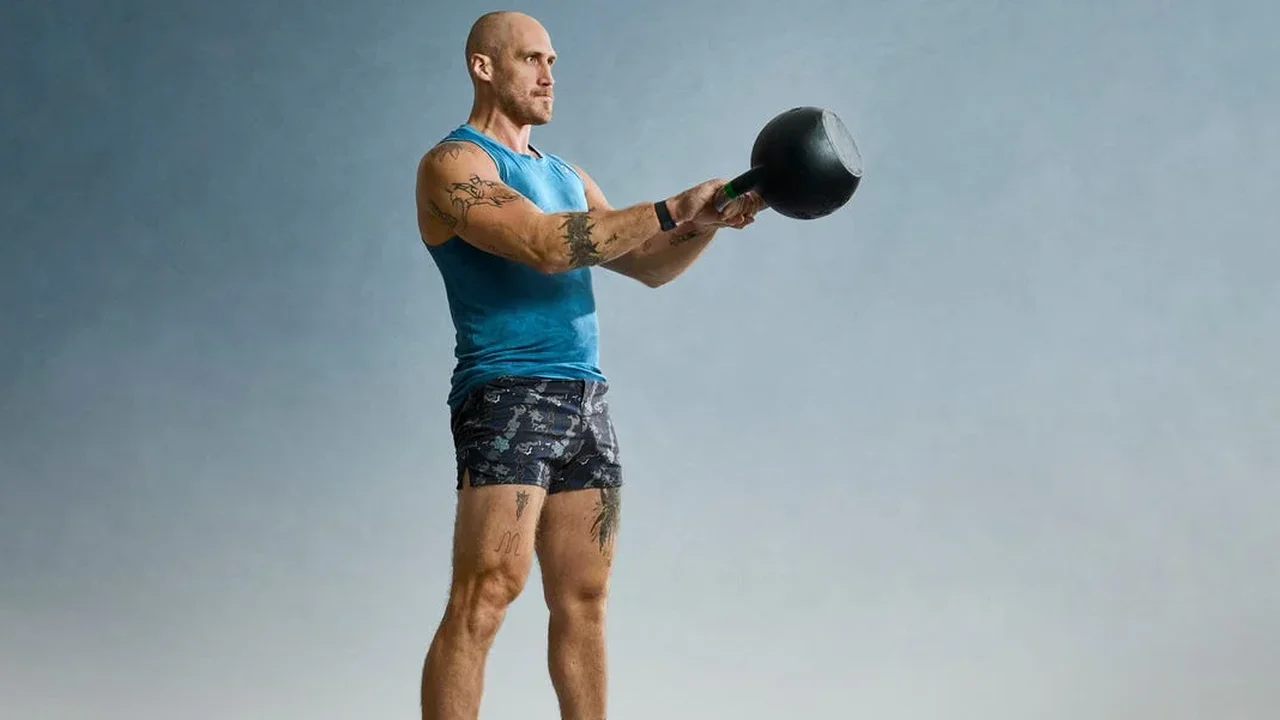
Swing: Hinge to guide the bell between your legs, then drive your hips forward to send it upward. Let your arms guide the weight rather than lifting it with your shoulders. Start with short, controlled sets.
Clean and rack hold: Use hip drive to bring the bell close to your body and settle it at your shoulder. In the rack position, keep your elbow angled down, wrist firm and forearm close to your torso. Beginners can practise holding the position for 30 seconds per side.
Strength, stability and coordination
Goblet squat: Hold the bell at chest height, sit between your hips while keeping your torso upright, then press through your feet to stand. Begin with 8-12 repetitions.
Overhead press and push press: Start with the bell at shoulder level and brace your midsection as you press overhead. The push press adds a small knee-and-hip dip to help drive the weight upward; keep the dip shallow.
Snatch: This more demanding move takes the bell from between the legs to overhead in one fluid action. Practise the hinge and swing first, keep the weight close, and finish with the arm locked overhead.
Halo: Hold the bell near your chest and circle it slowly around your head, keeping your ribs and hips steady. Try 10-20 repetitions in each direction.
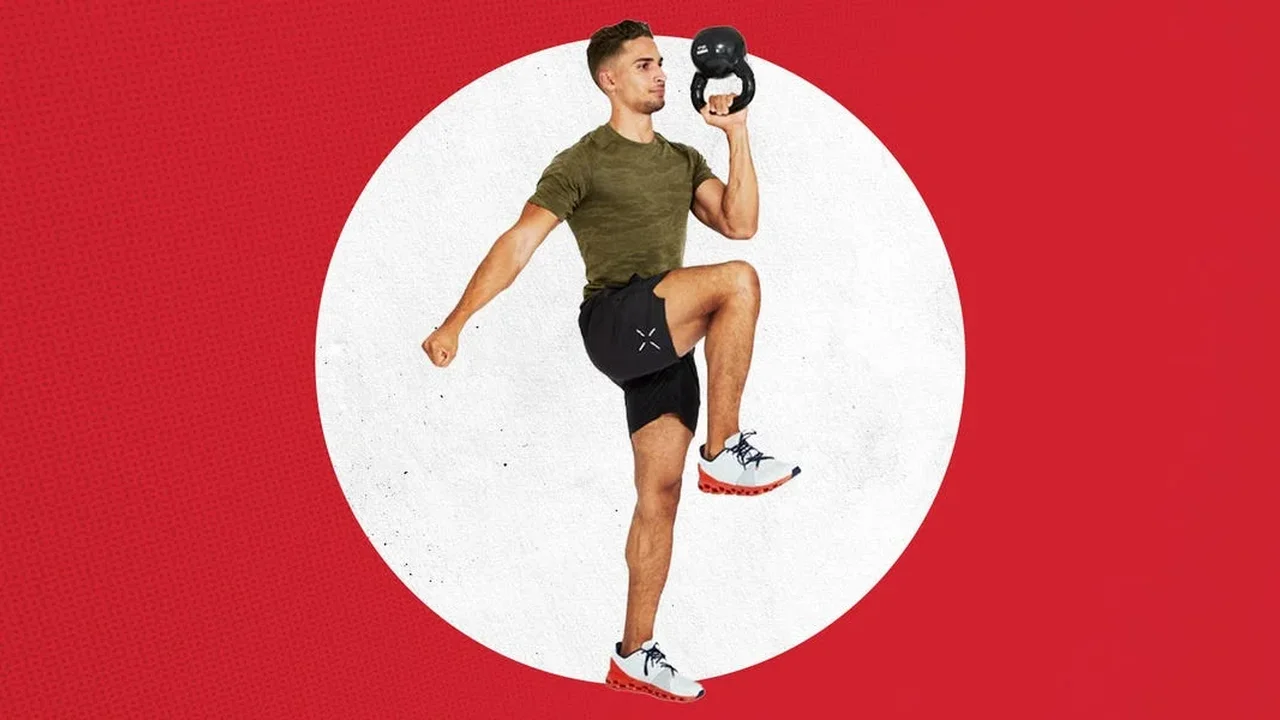
March and half-kneeling windmill: For the march, hold the bell at chest height and lift your knees one at a time without letting your hips sway. In the windmill, press the bell overhead, keep your eyes on it and hinge slowly to lower your free elbow toward the floor.
These movements offer a clear progression from foundational strength to more coordinated lifts. With consistent practice and sound technique, kettlebells can make strength training more adaptable at home or in the gym.