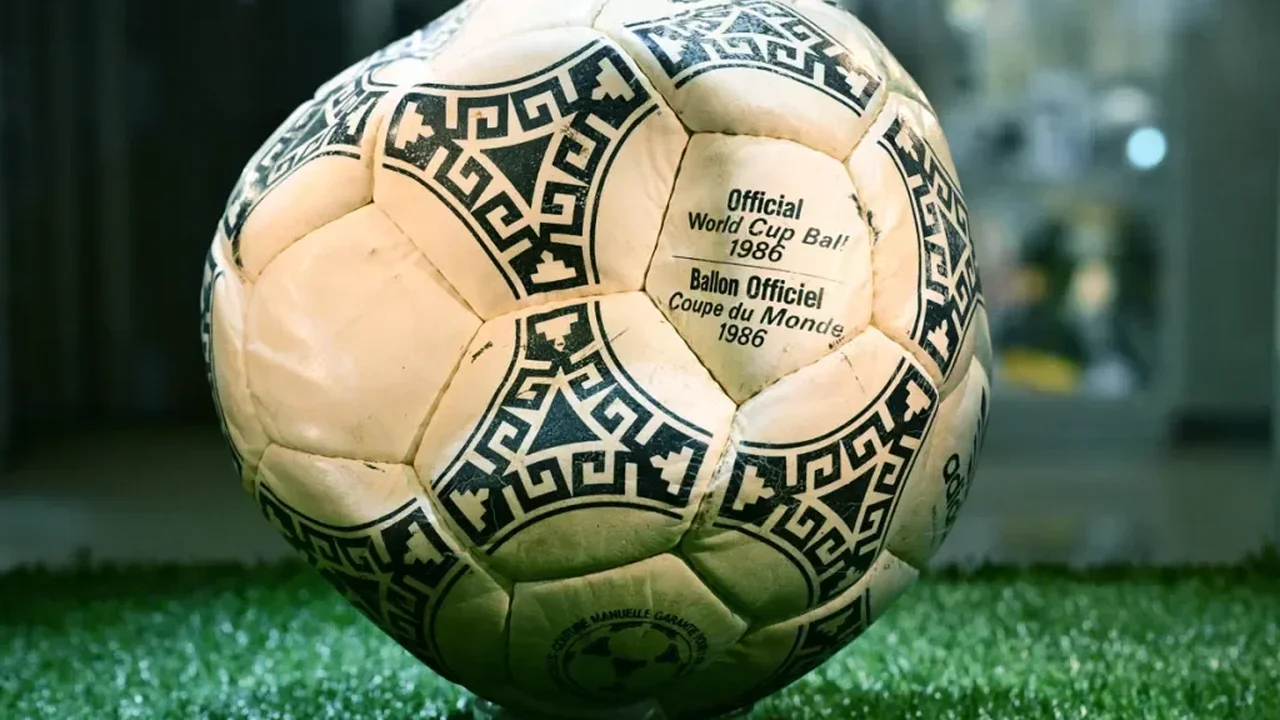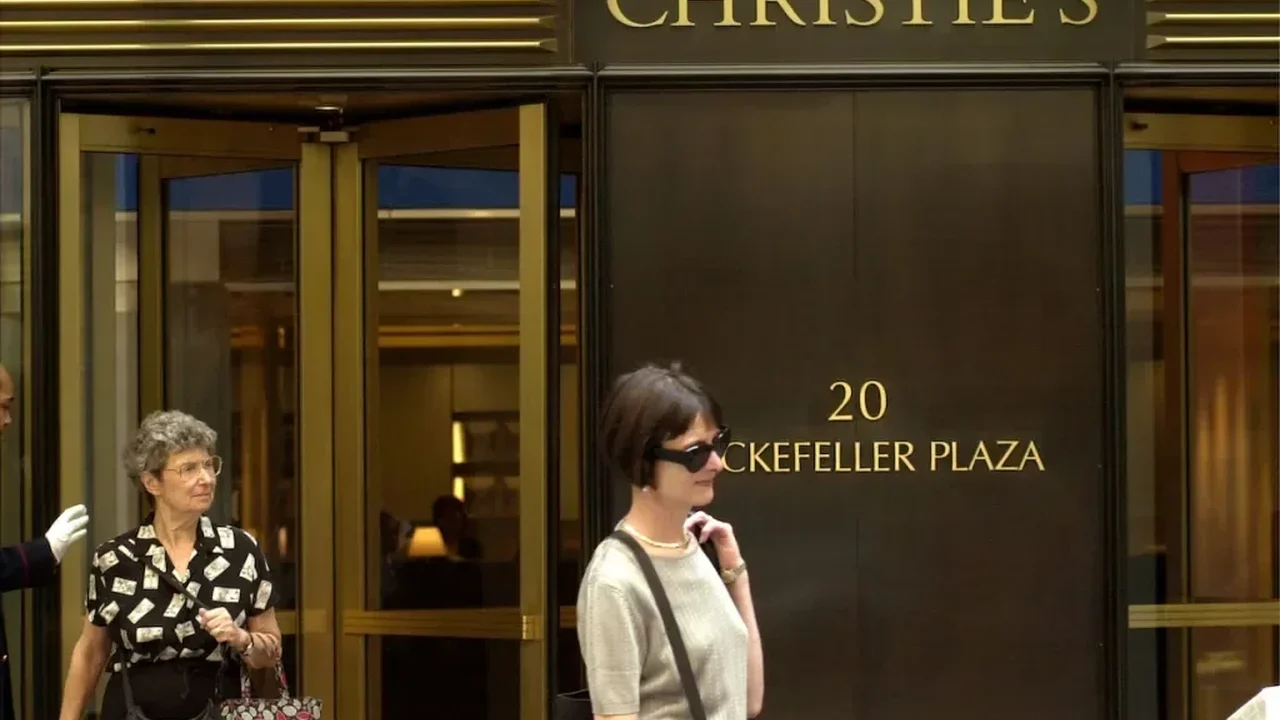
Diego Maradona's legendary "Hand of God" match ball has been sold at auction for £2.5 million, nearly four decades after the 1986 World Cup moment that made it one of football's most talked-about objects. The Adidas Azteca ball was kept by Tunisian referee Ali Bin Nasser after the match and later returned to the market through Heritage Auctions.
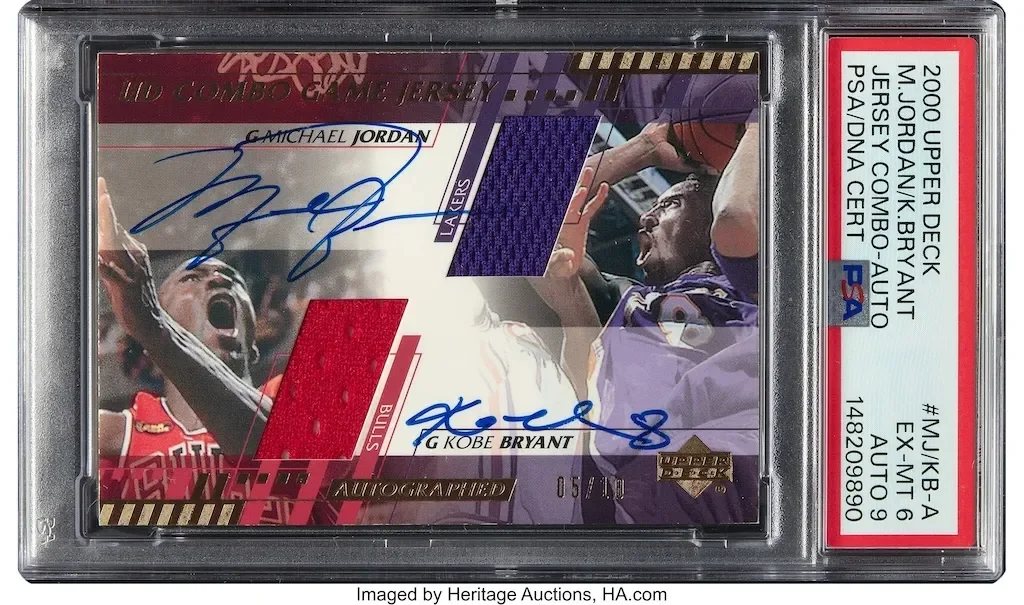
The final price landed below earlier expectations, but the sale still underlined how sports memorabilia can carry both cultural memory and global collector appeal. Objects tied to defining moments in sport continue to attract interest far beyond the pitch.
In another sign of creative solidarity, Estonia's Artists' Association is turning to an emergency auction after a financial loss caused by a scam. Artists have donated 124 works, including paintings, prints, and sculptures, to help the organization recover and stabilize its operations. The response reflects the strength of Estonia's art community and the role of collective action in protecting cultural institutions.
Meanwhile, Canada's Indigenous Art Center has said 111 works from its federal collection remain unaccounted for, drawing renewed attention to the importance of cataloging and stewardship in public collections. Europol has also noted that museum heists across Europe are becoming more aggressive, especially when high-value metals, gemstones, and cultural artifacts are involved.
From record-setting memorabilia sales to community-led support for the arts, these developments show how heritage, value, and preservation continue to shape the cultural landscape. The future may bring stronger systems for safeguarding both sporting icons and artistic collections.