Lucid Motors is reshaping its strategy around a sharper financial discipline and a set of high-potential growth bets. The company said its new operational reset targets $1.4 billion in cash savings while advancing four priorities: a midsize electric vehicle, its Saudi Arabia factory, robotaxis, and improved efficiency across the business.
Under CEO Silvio Napoli, the plan includes cutting capital spending by $500 million, trimming inventory-related costs by $600 million to $800 million, and lowering operating expenses by $200 million. Lucid says these moves could extend its liquidity runway well into 2027.
Napoli used his first quarterly call to outline a more disciplined operating model, saying the company must improve execution, service, product readiness, and decision speed. The leadership team has already been reorganized, with new appointments across finance, technology, customer experience, digital operations, and transformation.
The company has also reduced its workforce and ended a second production shift at its Casa Grande, Arizona plant, actions it says will generate meaningful annual savings. Even so, Lucid's latest quarter still showed a net loss, though revenue rose year over year to $405 million. Total liquidity stood at $3 billion at the end of the quarter.
Beyond cost control, Lucid is leaning on future-facing projects to strengthen its long-term position. The midsize EV, called Cosmos, is expected to become the first model on the company's new platform. In parallel, Lucid is advancing its AMP-2 factory in Saudi Arabia and building a robotaxi program with Uber and Nuro.
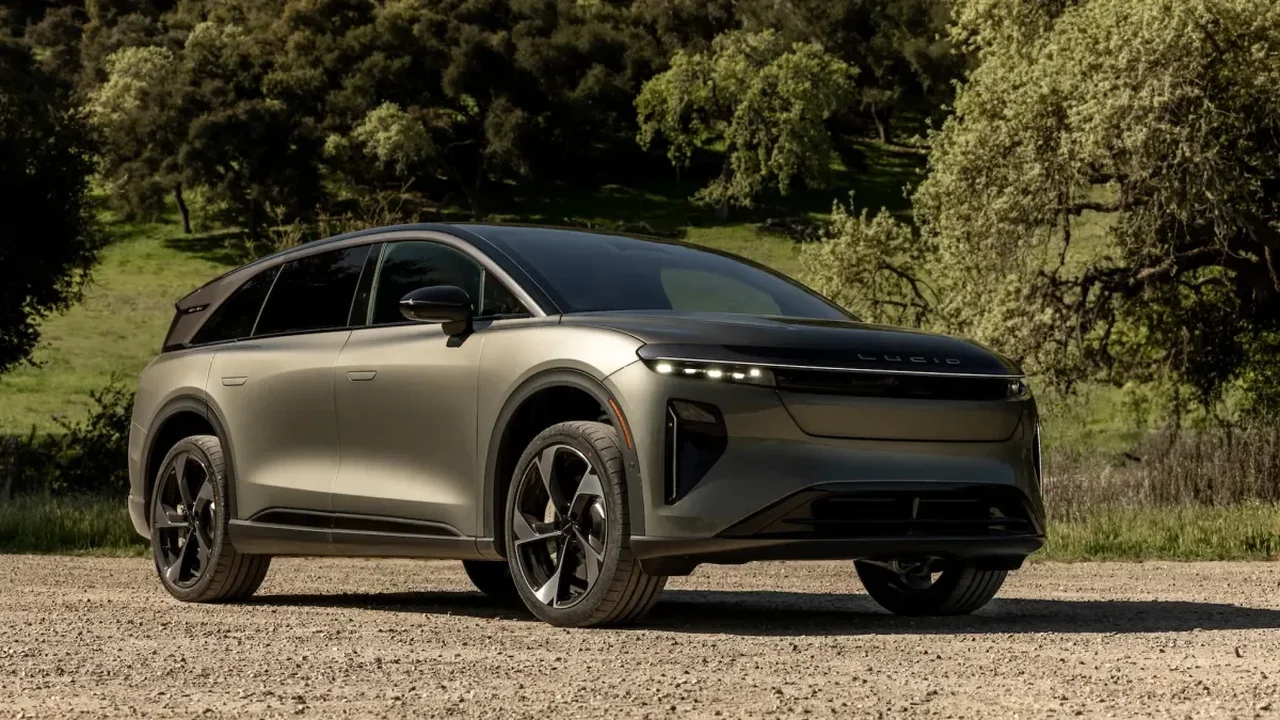
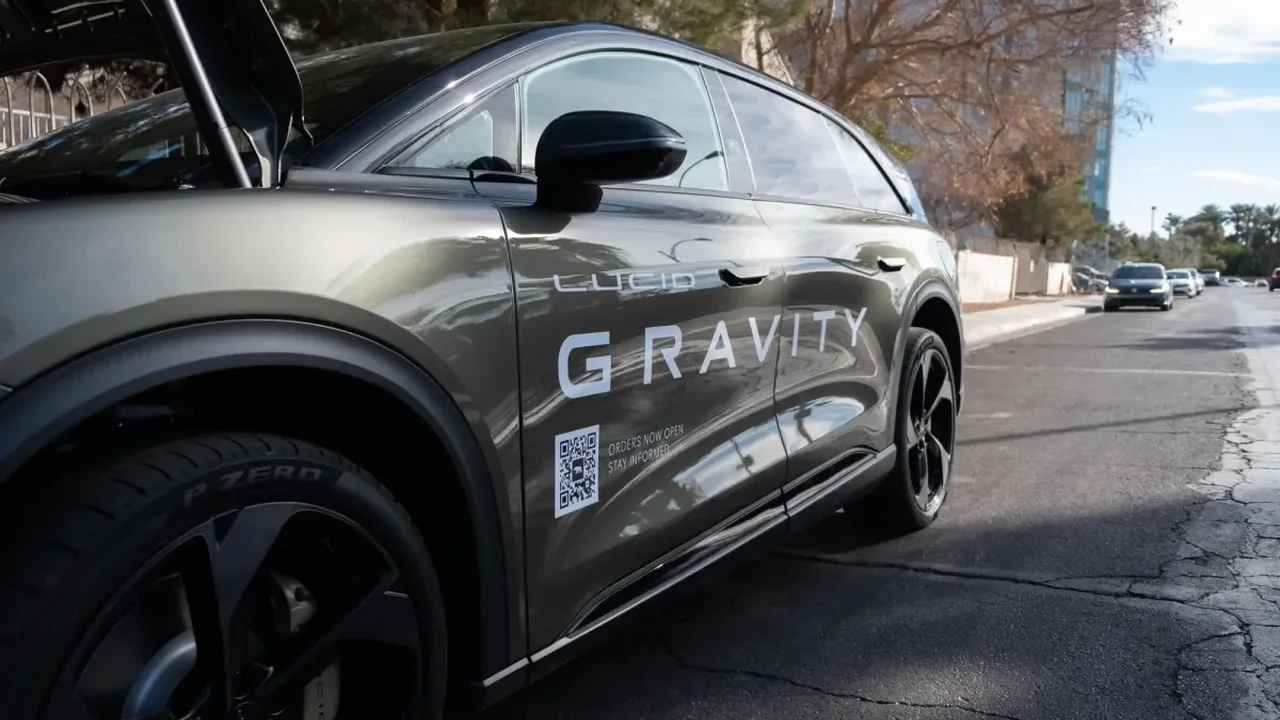
To support that mobility push, Lucid has created a new unit, Lucid Technologies, focused on AI, advanced driver assistance systems, and digital tools. The robotaxi service will use Nuro's autonomous technology in Lucid Gravity SUVs, with Uber handling ride access through its app. Testing is underway, and production for the fleet is expected to begin later this year, with launch plans set for late 2026.
Lucid's reset reflects a broader shift in the EV sector: pairing efficiency with software-driven mobility. If the strategy holds, it could help define how premium electric brands evolve in the next phase of transportation.