The National Museum of Asian Art in Washington, D.C., will present 26 works on loan from the Louvre in a new exhibition opening September 26 and running through January 2027.
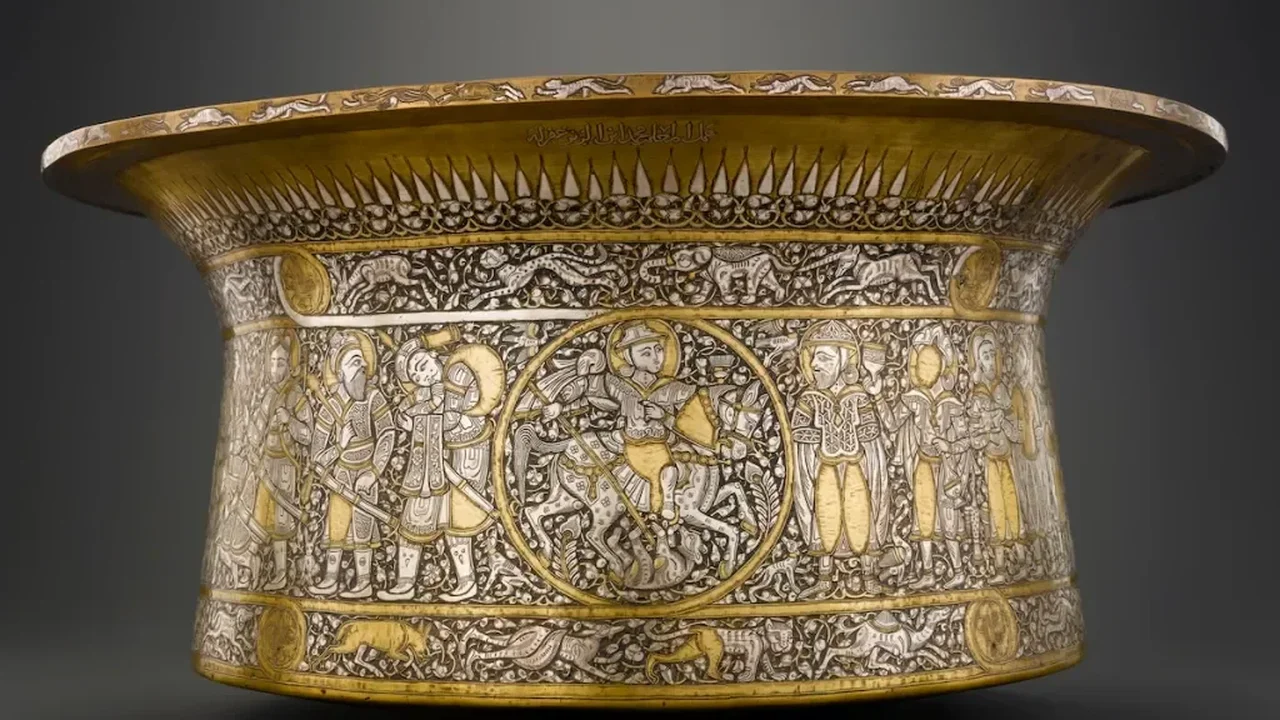
Titled "From the Louvre: Masterpieces of Islamic Art," the show brings together objects spanning the 7th to the 19th century, with works linked to regions from present-day Spain to India. Among the highlights are a bronze figure from Islamic Spain known as the Lion of Monzón and a large Ottoman ceramic bowl dating to around 1480.
The selection also includes paintings, ceramics, metalwork, jade, glass objects, and architectural elements. According to the museum, the exhibition is designed to show how artworks gain the status of masterpieces over time through craftsmanship, circulation, and public appreciation.
Chase F. Robinson, director of the National Museum of Asian Art, emphasized that the works were once seen by a limited audience before entering the Louvre's collection, and that the exhibition explores how artistic value is shaped by both makers and viewers.
The presentation also reflects a long-standing connection between the Louvre and the Smithsonian museum, tracing back to early 20th-century exchanges involving founder Charles Lang Freer, curator Gaston Migeon, and collector-historian Raymond Koechlin. The exhibition may help deepen global dialogue around Islamic art and broaden access to cultural heritage in the years ahead.