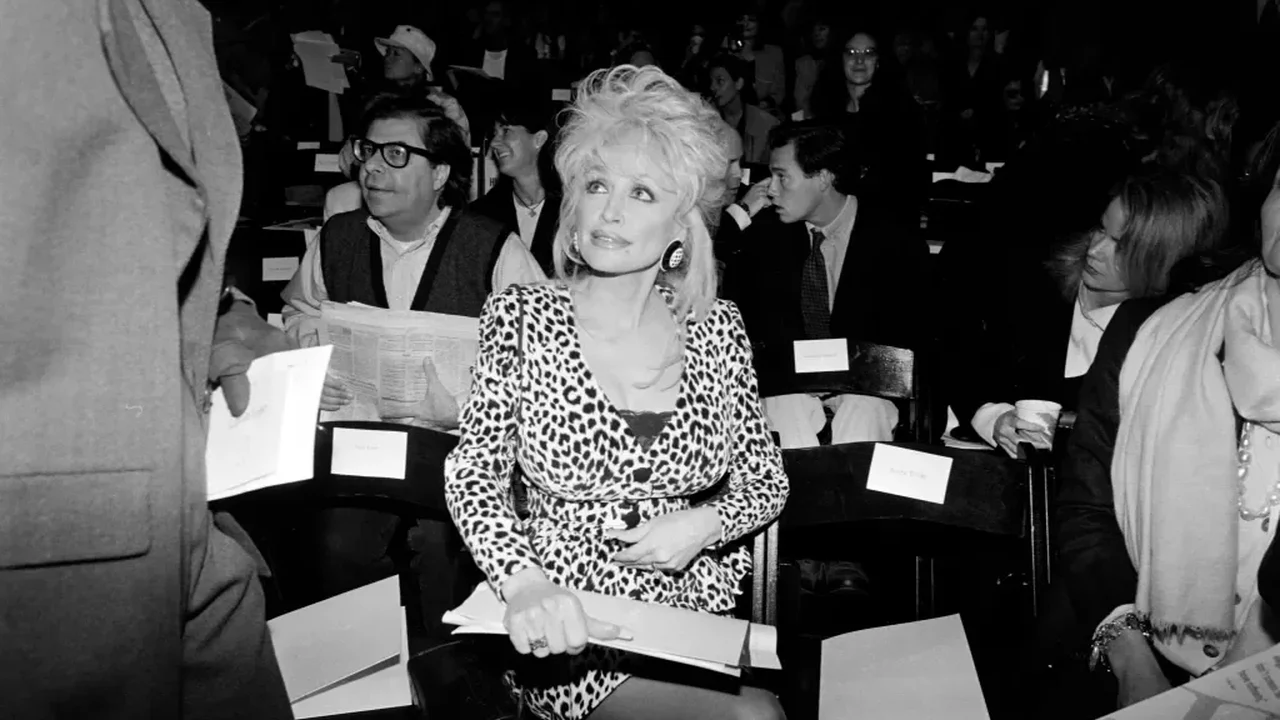
The Smithsonian Institution and the Andy Warhol Museum have highlighted Dolly Parton's lasting influence by sharing works from their collections that reflect her distinctive public image and cross-genre appeal.
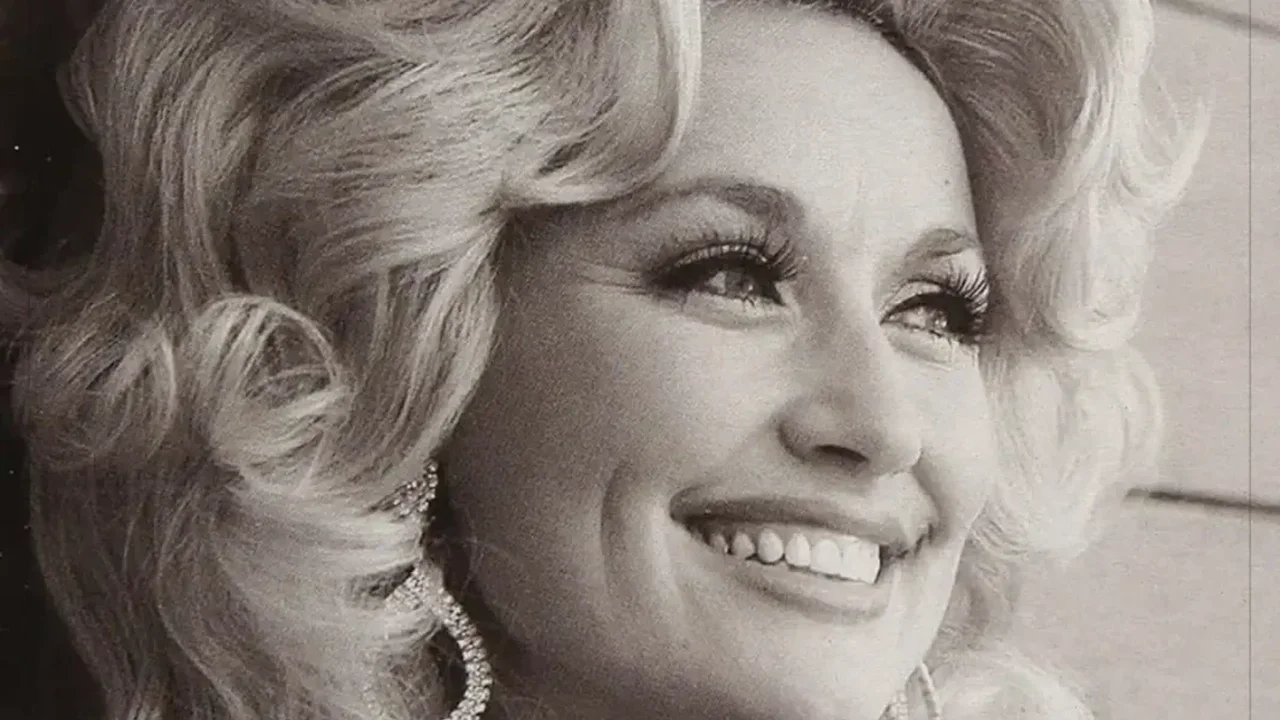
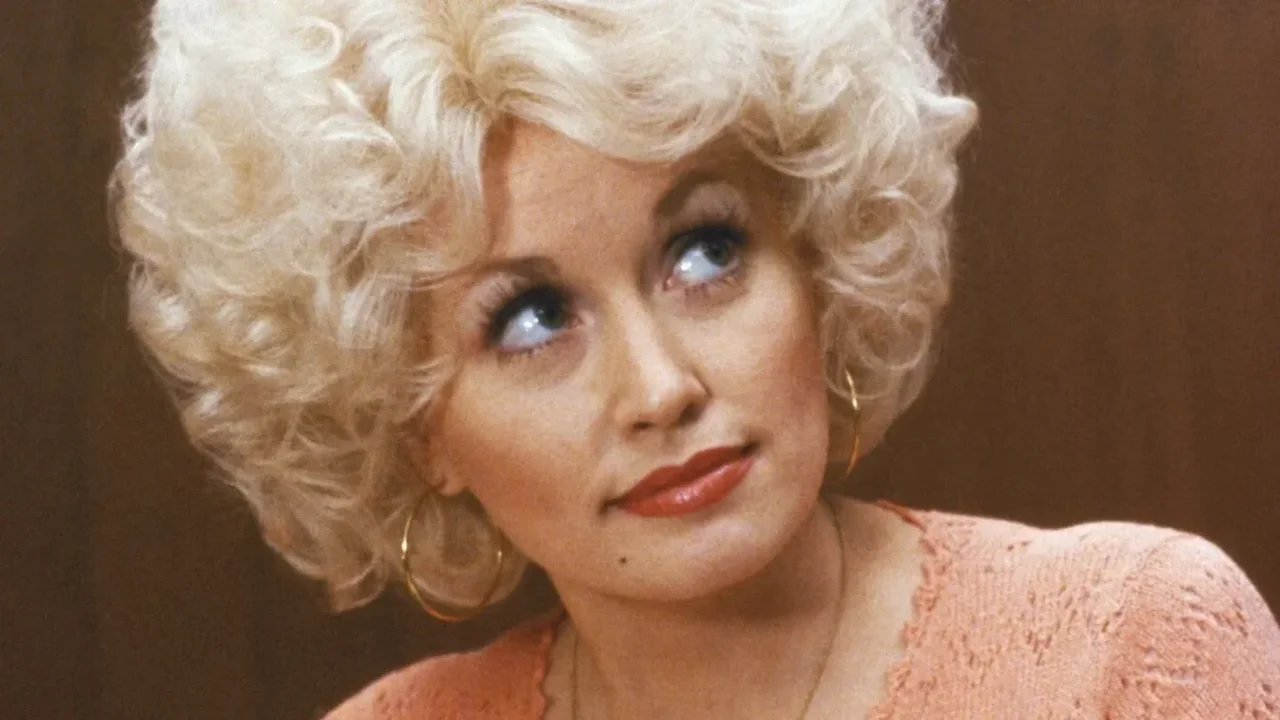
In Washington, D.C., the Smithsonian featured three items from the National Museum of American History: the back cover image from Parton's 1978 album Heartbreaker, a black-and-white portrait by Henry Horenstein from 1972, and a film poster for 9 to 5. The poster recalls the 1980 comedy that helped define Parton's screen presence and included the theme song she wrote, later rewarded with major music honors.
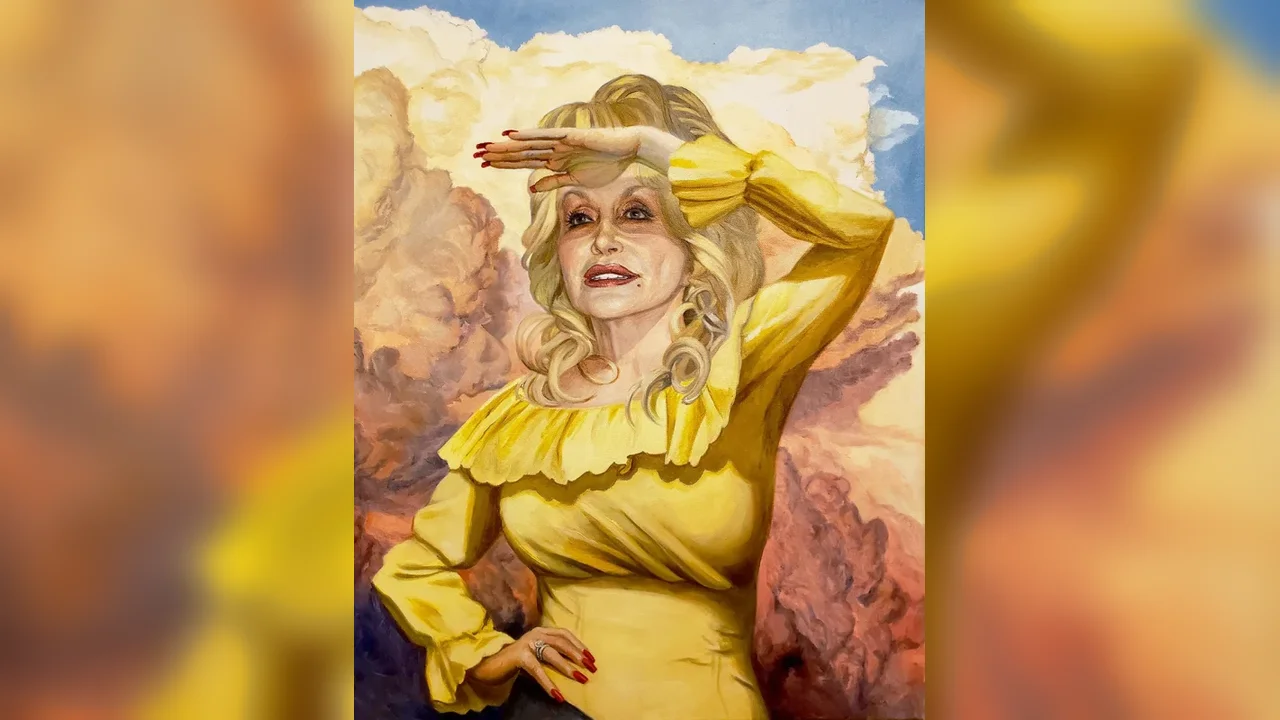
The Andy Warhol Museum in Pittsburgh also marked the moment by posting a portrait of Parton from 1985, underscoring her long connection to Warhol's world of pop art and magazine culture. Parton appeared on the cover of Interview magazine twice in the 1980s, becoming one of the era's most recognizable cultural figures.
Her image, style, and voice helped shape a rare blend of country music, visual identity, and mainstream celebrity. From album art to film and editorial portraiture, Parton's presence has remained a reference point for artists, museums, and audiences alike. Her legacy continues to show how a strong personal brand can evolve into enduring cultural memory.
This renewed attention suggests that Dolly Parton's influence will keep inspiring future conversations at the intersection of music, art, and identity.