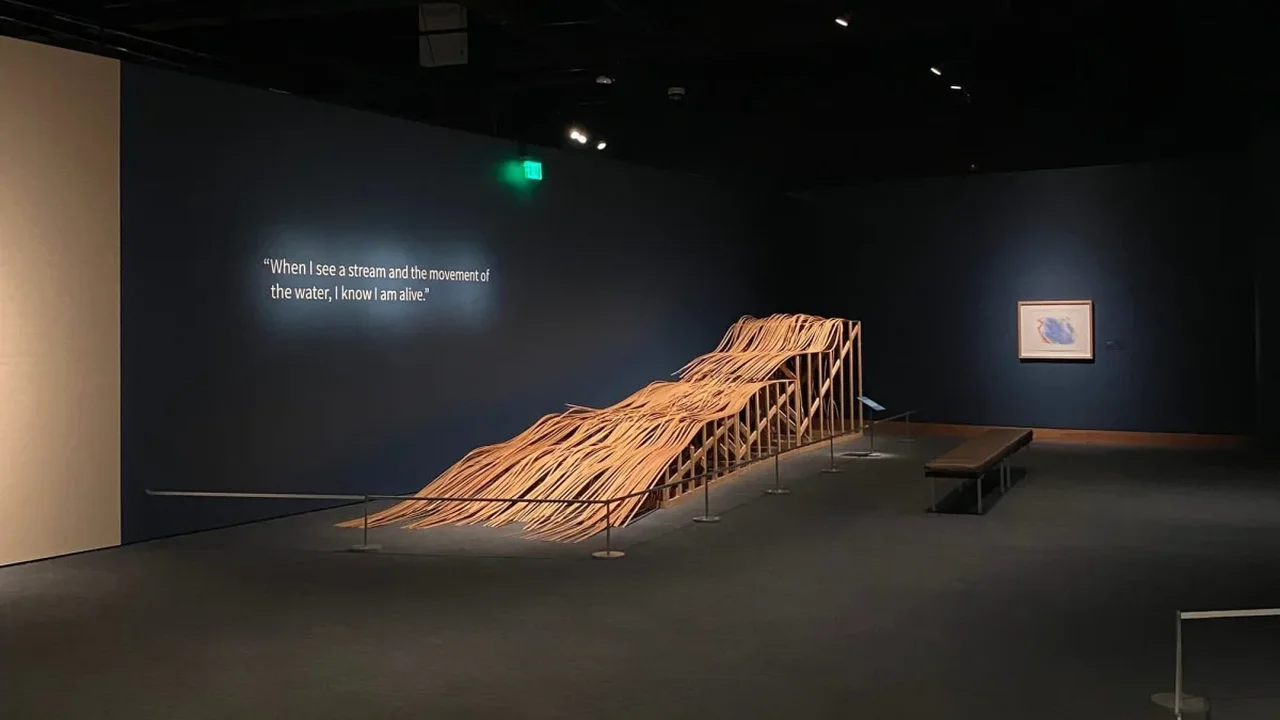
In the 1980s, two women--a German Jew and a Palestinian--crossed paths in Chile, where both hailed from immigrant families. They collaborated to create some of the most impactful antifascist art of their time. One of these artists, Lotty Rosenfeld, is the focus of an enlightening retrospective at Columbia University's Wallach Art Gallery, which will be open until March 15. Her close friend, writer Diamela Eltit, plays a significant role in this narrative.
The exhibition emphasizes the theme of female friendship, a thoughtful choice by curators Julia Bryan-Wilson and Natalia Brizuela. It is nearly impossible to recount Rosenfeld's journey without highlighting this bond. During the oppressive Pinochet regime (1973-90), Rosenfeld cultivated a community through her art, navigating a landscape where gathering was often illegal and many artists faced exile.
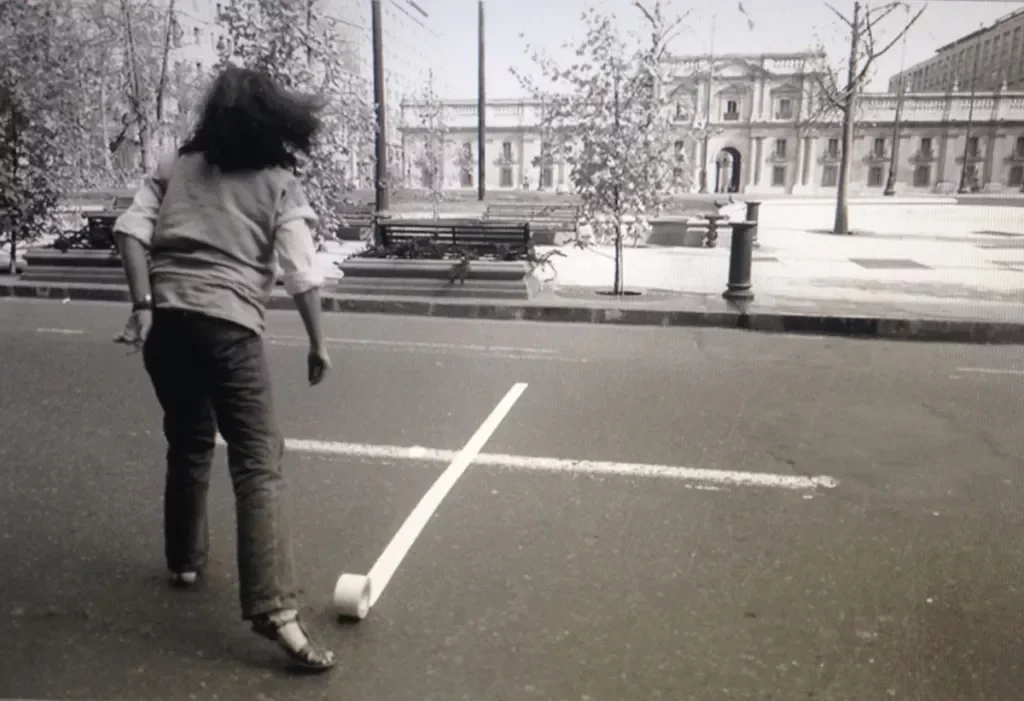
Rosenfeld's approach involved crafting subtle yet powerful gestures that communicated solidarity while maintaining a level of ambiguity. The exhibition begins with striking mural-sized photographs showcasing her work, where she altered street markings, transforming them into symbols of resistance. These actions, such as the one in front of Pinochet's palace in 1979, conveyed messages of mourning and defiance.
The choice of street names in her work also carried symbolic weight, referencing the broader geopolitical context of U.S. involvement in Chile. This layered meaning extended beyond mere protest against Pinochet; it also challenged U.S. foreign policy. In 1982, she extended her artistic interventions to Washington, D.C., further emphasizing her critique.
Rosenfeld's art was often interpreted as a form of activism, allowing her to evade repercussions while resonating with those who shared her frustrations. Her boldness only increased over time; she orchestrated a daring installation at the Santiago Stock Exchange, juxtaposing footage of her interventions with a commentary on economic disparity.
Her collaborative efforts with the artist collective CADA (Colectivo Acciones de Arte) culminated in a remarkable event where six planes dropped 400,000 copies of a poem advocating for a better standard of living. This act, captured on video, showcased the intersection of art and public life.
Rosenfeld's work transcended artistic boundaries, becoming a rallying cry for numerous social movements. The No + project initiated by CADA in 1983 invited public participation, with responses capturing the collective desire for change. Her legacy was honored in 2020 when the lights of a Santiago skyscraper spelled out NO+ in her memory.
The retrospective also highlights the evolution of feminist activism in Chile, with women emerging as key figures in the resistance against oppression. The exhibition features footage of protests where women voiced their demands for justice, often at great personal risk.
Rosenfeld's legacy serves as a reminder of the enduring power of art to inspire change. Her innovative strategies and commitment to solidarity continue to resonate, emphasizing that resistance takes time and collective effort. This compelling exhibition at Columbia University invites us to reflect on the past while considering the ongoing relevance of art in societal struggles.