London has reached a striking climate milestone: July passed without measurable rain at Kew Gardens in west London, marking the first completely dry calendar month in the station's records, which date back to 1871. A typical July there usually brings about 45.24 millimetres of rainfall.
A rare dry spell for the capital
Several weather gauges across the city also reported 0.0 millimetres for the month. Across Greater London and much of southern England, rainfall stayed far below seasonal norms, while the region also experienced exceptional warmth and prolonged sunshine.
Southern England averaged just 1.9 millimetres of rain in July, roughly 3% of its usual level. For England overall, the month was the driest July in nearly two centuries of observations, according to the Met Office. The combination of low rainfall, high temperatures and strong sunshine created conditions that quickly dried soils and stressed water reserves.
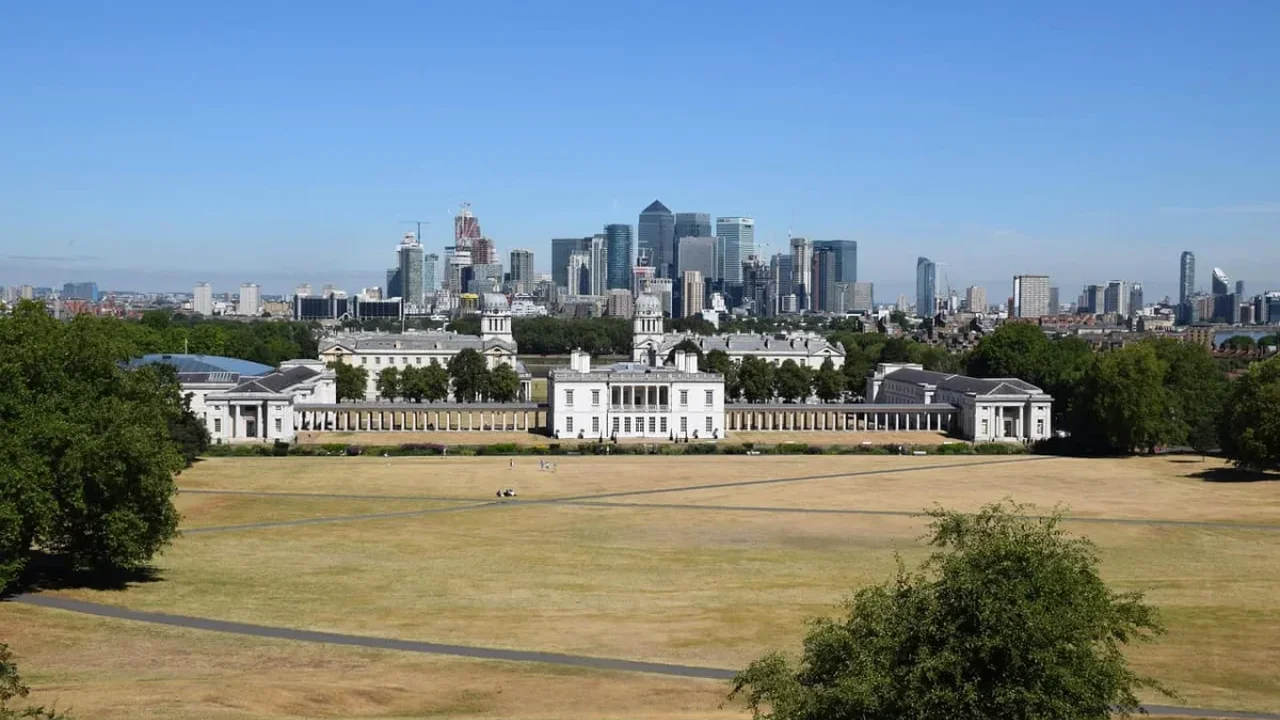
The effects were visible in parks, gardens and riverside landscapes, where grass turned pale and the ground hardened. Reservoirs, groundwater and river systems also came under pressure as the dry pattern continued.
Why London can still face drought
Although the UK is often associated with wet weather, rainfall is unevenly distributed. London sits in one of the country's drier regions, yet it supports millions of residents and a heavy daily demand for water. The city uses more than 2.6 billion litres each day, drawing mainly from the Thames and Lee river systems, with groundwater adding to supply.
Persistent high pressure blocked Atlantic weather systems from bringing widespread rain to the south, while brief thunderstorms offered only limited relief. In response to the growing strain on water resources, local suppliers introduced hosepipe restrictions across London and surrounding areas.
The dry conditions also highlight a wider climate shift. As temperatures rise, soils and vegetation lose moisture faster, and hot, rainless periods are becoming more intense. London's record dry month is a clear sign of how urban life, water planning and climate resilience are increasingly linked. The future of the city may depend on how quickly adaptation keeps pace with a changing climate.