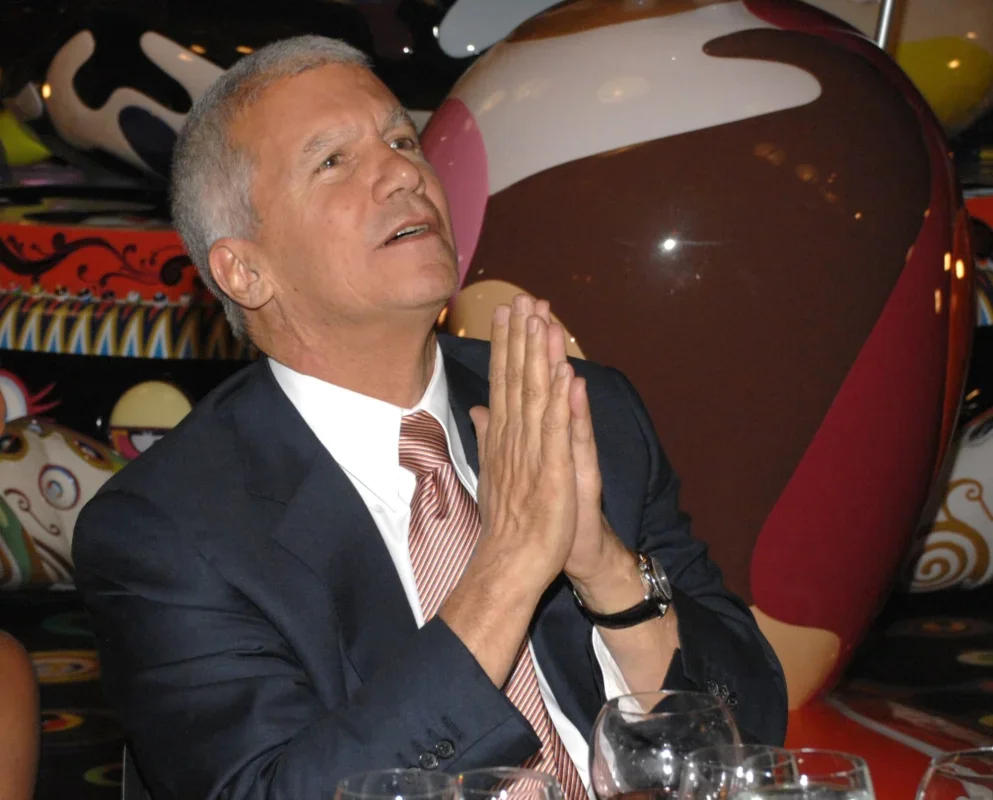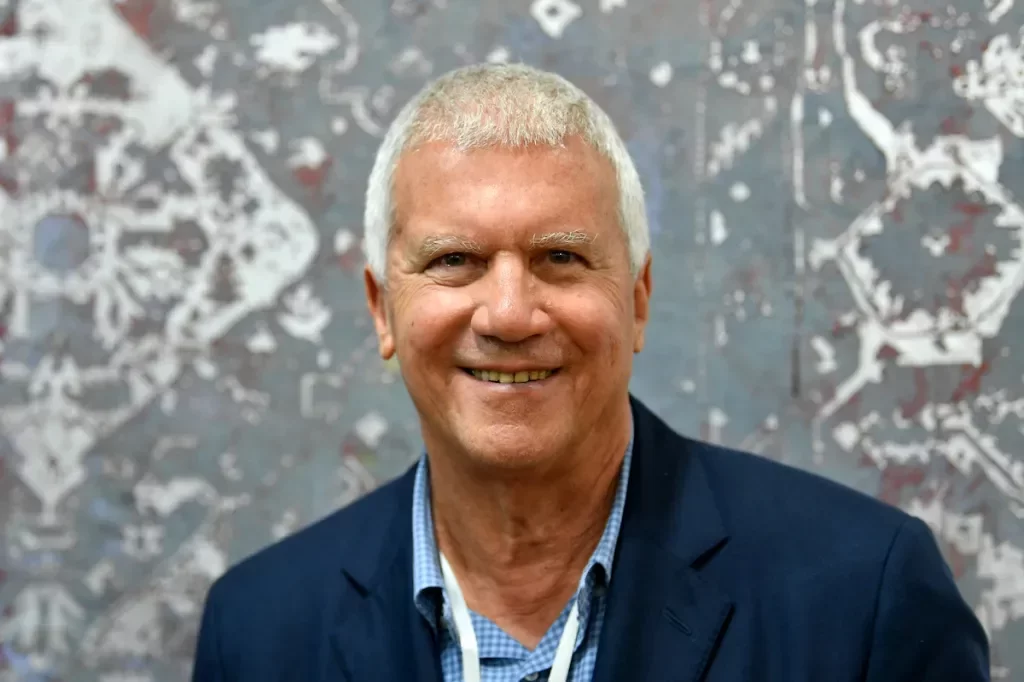
At a recent talk at the Parrish Art Museum in the Hamptons, art dealer Larry Gagosian addressed one of the market's most discussed themes: the coming transfer of wealth from older collectors to younger heirs. The question is whether a vast volume of art will enter circulation as family collections change hands.
Gagosian suggested that while a larger supply could pressure prices, it may also create fresh openings for serious buyers. In his view, softer pricing is not only a challenge for sellers, but also a chance for collectors to acquire important works more strategically.
The broader conversation around the Great Wealth Transfer has long centered on two possible outcomes: a new wave of collectors entering the market, or heirs choosing to part with inherited works they do not want to keep. Recent estimates have placed the value of art and collectibles moving through this transition at nearly $1 trillion, though analysts note that this figure is based on assumptions rather than a direct inventory of artworks.
Current market size adds context. The global art trade turns over about $60 billion a year, according to the Art Basel and UBS Art Market Report. That means any major increase in supply would likely reshape pricing, buying habits, and advisory services across the sector.
Researchers cited in the discussion also point to a much wider inheritance cycle in the United States, with trillions expected to shift over the next two decades. Much of that wealth is likely to remain within already affluent households, while a large share will be directed toward savings, taxes, philanthropy, and long-term investment.
For the art world, the most immediate impact may be practical: helping heirs, collectors, and institutions decide how to manage existing holdings. The next phase of the market could reward flexibility, expertise, and timing, shaping a more adaptive art economy in the years ahead.