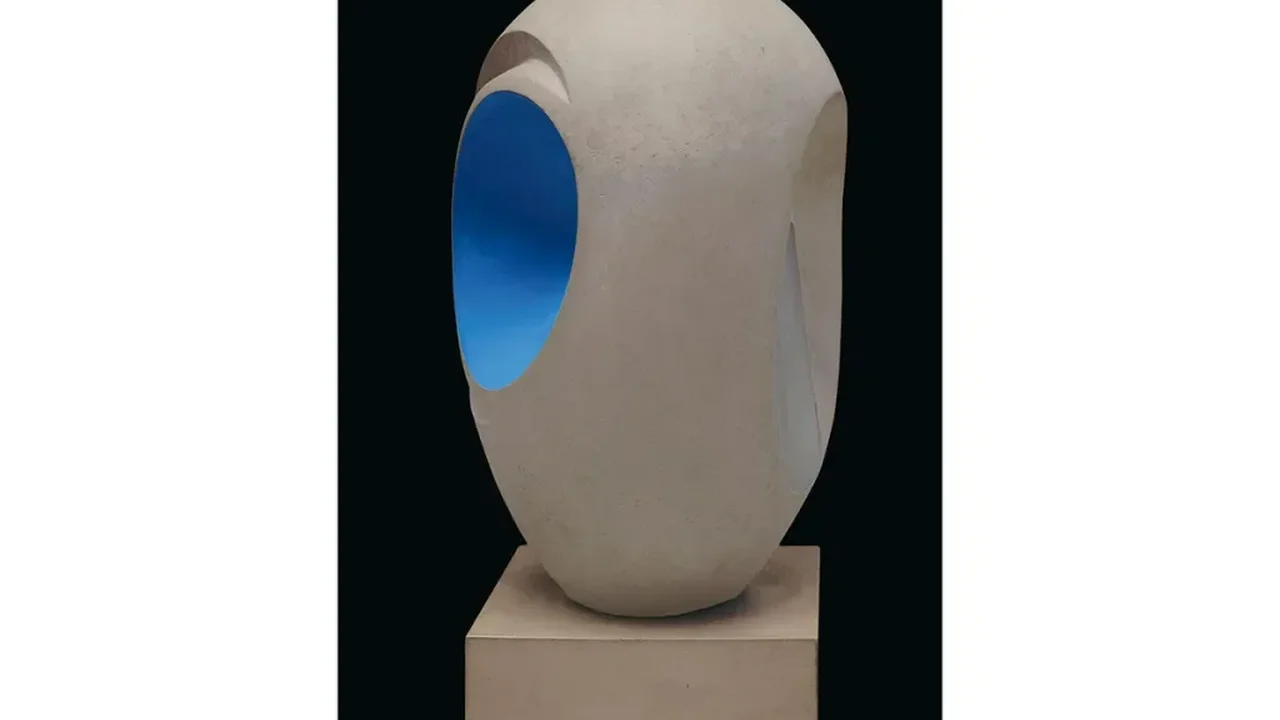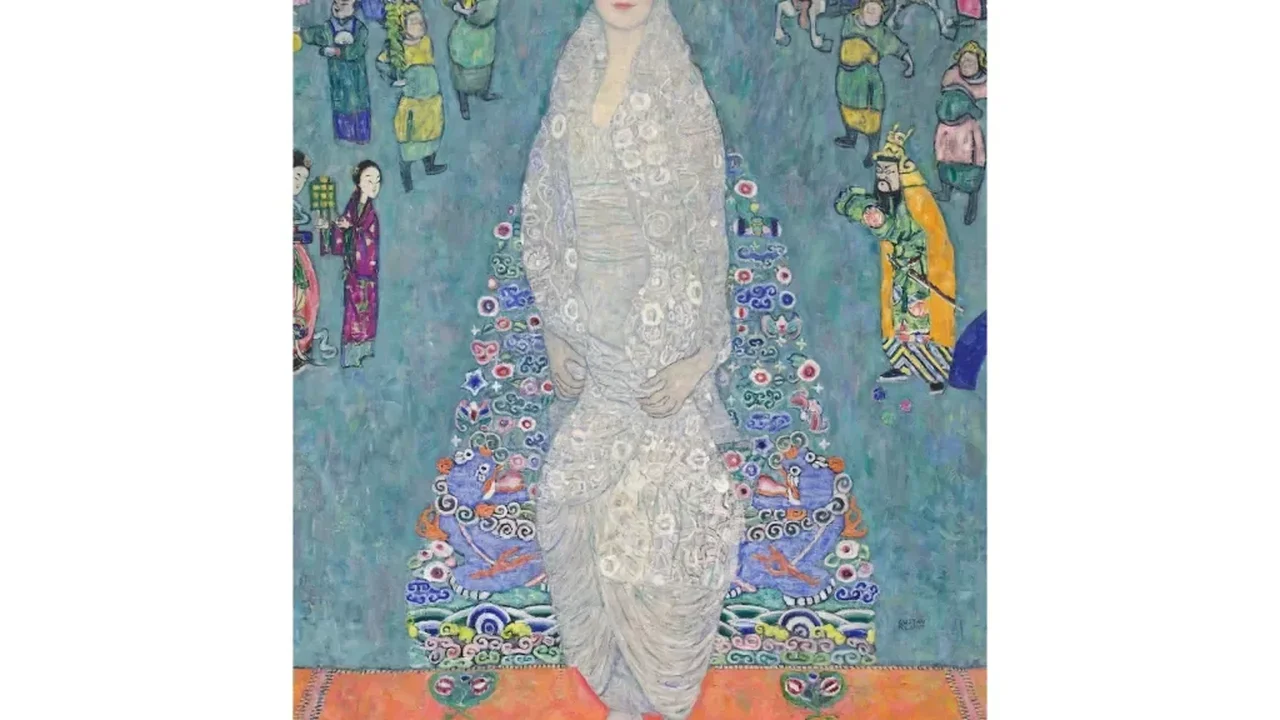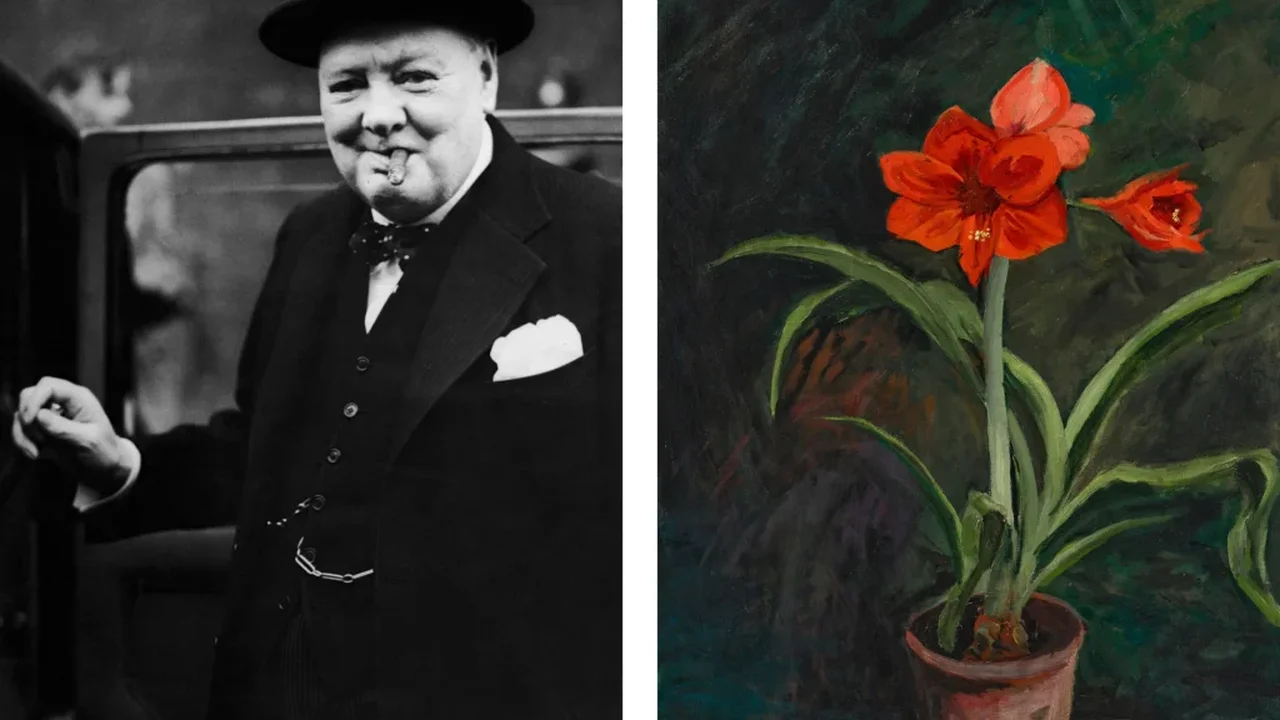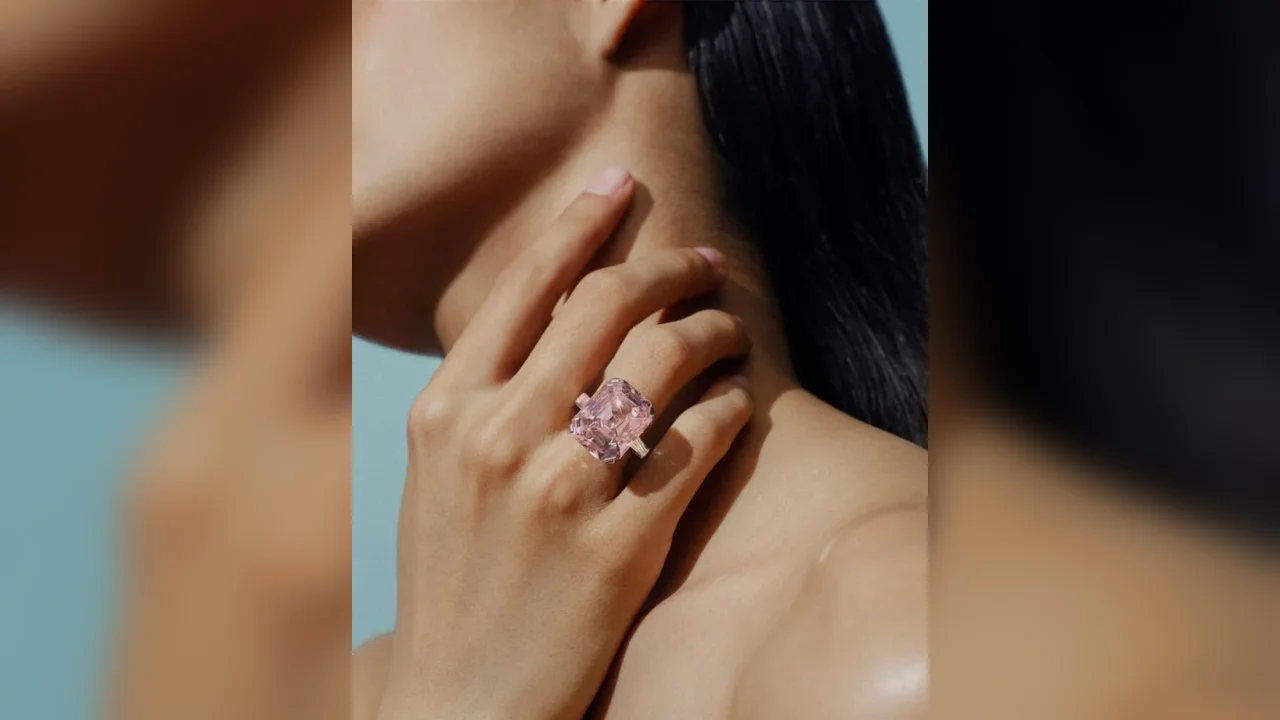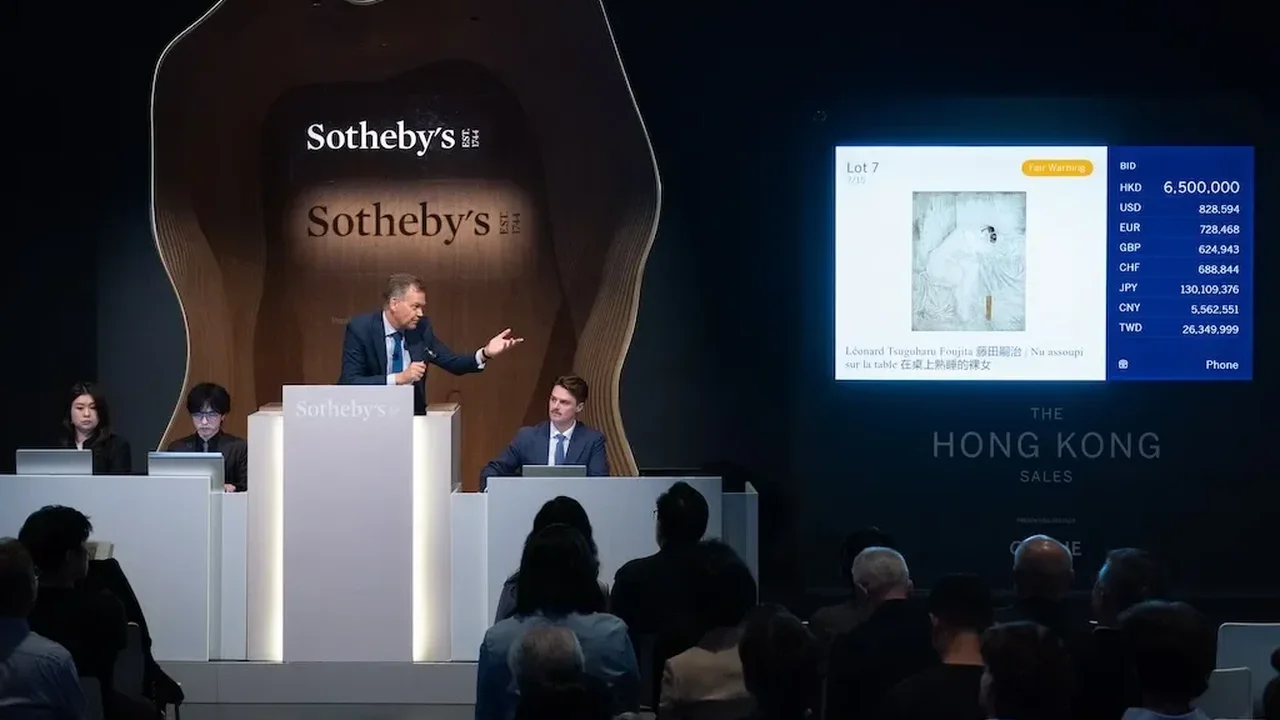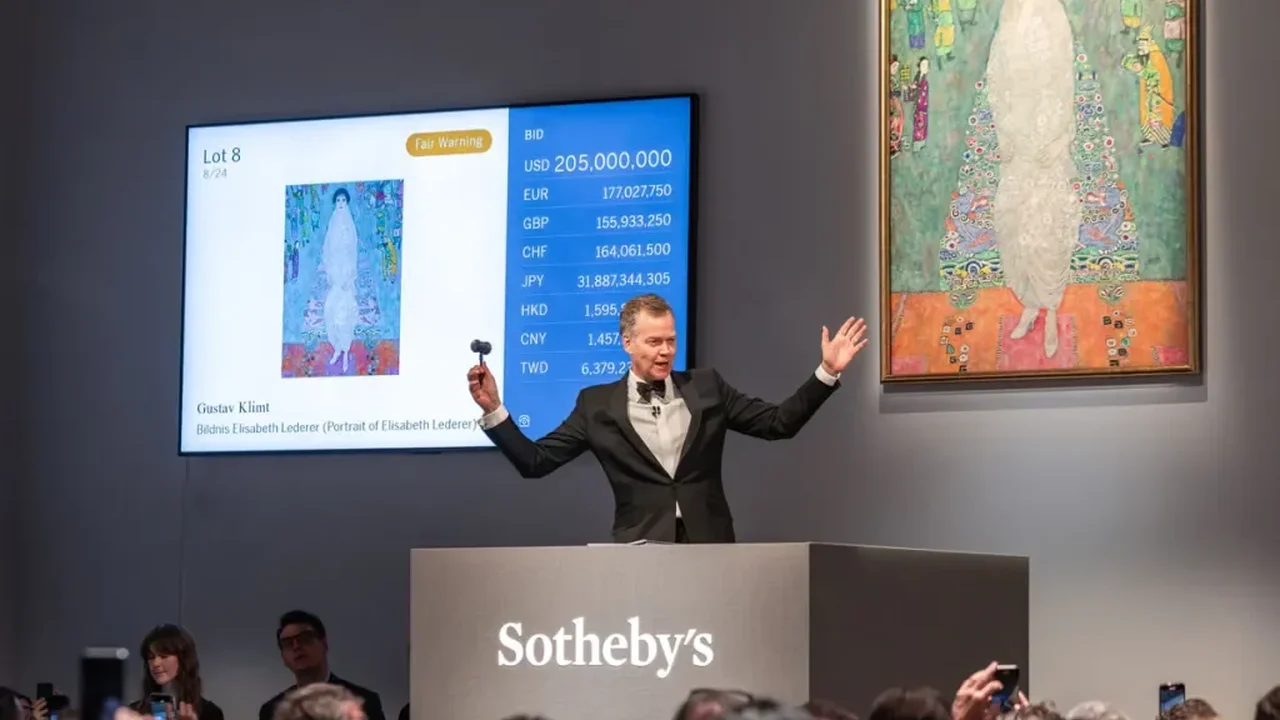
The art market's recent momentum is being shaped by a powerful source: estate sales. As major collections from long-time collectors and their heirs reach the market, auction houses are seeing a wave of high-value works that can quickly reshape sales totals and buyer attention.
In the first half of the year, Christie's reported $4.5 billion in sales, while Sotheby's reached $4.4 billion, its strongest result on record. Analysts say this strength reflects the arrival of exceptional collections rather than a broad return to the post-pandemic surge. According to art and advisory specialist Mari-Claudia Jiménez, these estates are now a central force behind the market's recovery.
The reason is simple: masterpieces are hard to find. Many disappear into museums or remain in private hands for decades, leaving very little fresh supply at the top end of the market. Estate transitions, however, can suddenly release rare works, design objects, jewelry, and other collectibles into circulation at once.
This shift is also tied to the broader Great Wealth Transfer, as assets move from older generations to Gen X, Millennials, and Gen Z heirs. Deloitte Private and ArtTactic estimate that close to $1 trillion in art could change hands over the next decade. Some heirs will keep the works, but many will prefer liquidity, making auction houses especially attractive partners.
Executors often value certainty, especially when deadlines and tax obligations are involved. That is why guarantees, marketing plans, and global sales strategies have become key tools in winning consignments. Auction houses can present an entire collection as a unified story, turning paintings, furniture, watches, and design pieces into one carefully curated event.
For families, the process can also preserve legacy. Catalogues, exhibitions, and storytelling help transform a private collection into a public narrative that endures beyond the sale itself. At the same time, younger buyers are becoming more visible in the market, suggesting that the next chapter may be shaped by a new generation of collectors. The future of art commerce may increasingly belong to those who can connect heritage, value, and fresh taste in one evolving ecosystem.