A groundbreaking study has challenged the effectiveness of a widely performed knee surgery aimed at alleviating pain from torn meniscus. Over a decade-long investigation, researchers discovered that patients undergoing arthroscopic partial meniscectomy experienced no significant improvement compared to those who received a placebo procedure.
This unique trial involved a rigorous setup where some participants underwent actual surgery while others had sham operations, which included anesthesia and incisions but did not involve any cartilage removal. After ten years, results indicated that the surgical group not only failed to show improvement but, in some cases, reported worse outcomes.
Understanding the Meniscus
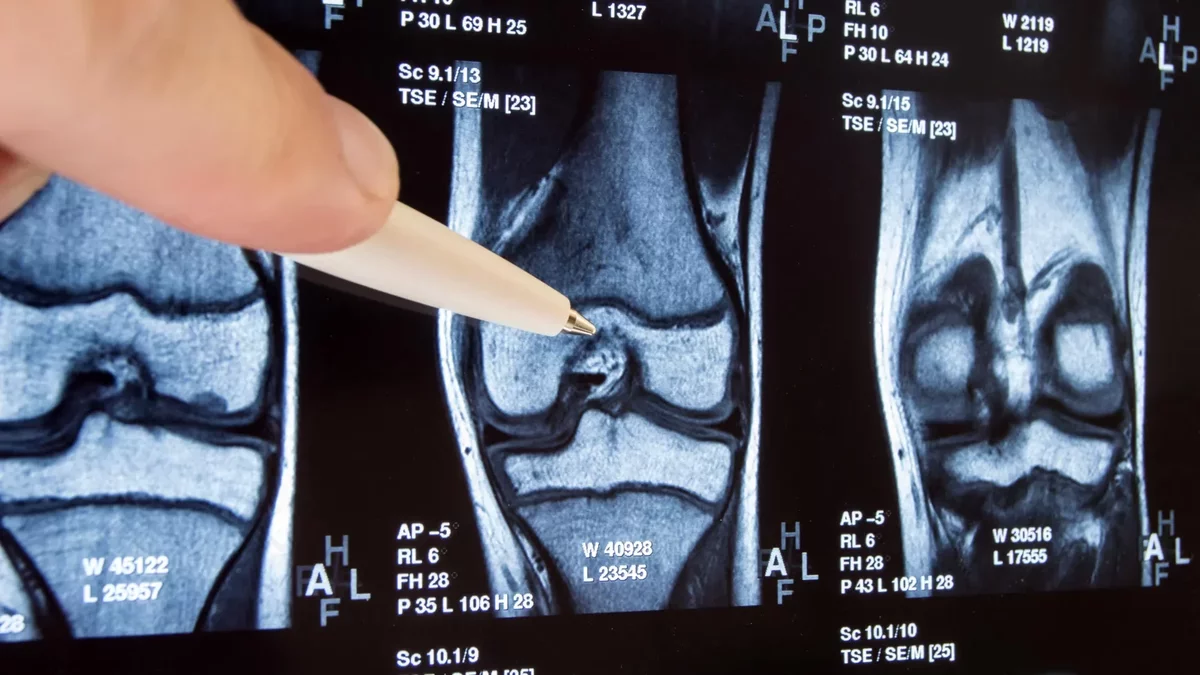
The meniscus, a crucial C-shaped cartilage in the knee, serves as a cushion between the thigh and shin bones. While it can tear due to sudden movements, it also tends to fray with age, often without causing any pain. The Finnish Degenerative Meniscal Lesion Study, known as FIDELITY, has been pivotal in exploring this phenomenon.
According to Professor Teppo Järvinen from the University of Helsinki, many meniscal tears found on MRI scans are incidental and do not correlate with symptoms. This challenges the long-held belief that such tears are the primary source of knee pain.
Trial Insights
The FIDELITY trial included 146 adults, aged between 35 and 65, who had knee pain linked to degenerative medial meniscus tears but showed no signs of osteoarthritis on initial X-rays. Participants underwent diagnostic arthroscopy before being randomly assigned to either the surgical or sham group.
Remarkably, over 90% of participants completed the ten-year follow-up. The findings revealed that those who had surgery scored lower on the WOMET scale, indicating more severe symptoms and disability. Additionally, progression of osteoarthritis was observed in 81% of the surgical group versus 70% in the placebo group.
Reevaluating Surgical Practices
Despite being one of the most common orthopedic procedures globally, the findings from this study are prompting a reevaluation of the necessity and effectiveness of partial meniscectomy. Many medical organizations have already begun to recommend alternatives such as physiotherapy before considering surgery.
"Our results highlight the importance of critically examining widely accepted medical practices," Järvinen stated. "It suggests a shift in approach towards treating knee pain, emphasizing that surgery should not always be the first option."
This study, published in the New England Journal of Medicine, may pave the way for a new era in orthopedic treatment, focusing on more conservative management of knee pain and potentially reducing unnecessary surgeries in the future.