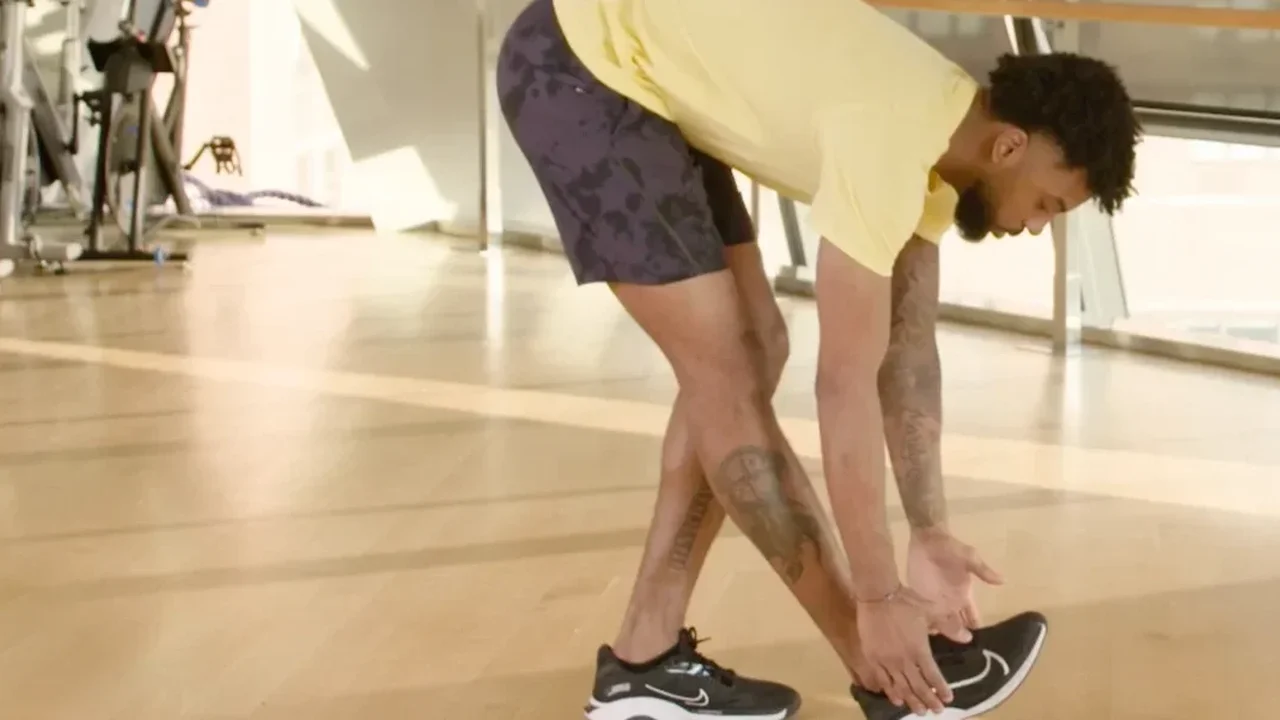
Leg day can feel more approachable when the routine is designed around joint comfort. A practical guide from physical therapist Daniel Giordano and Bespoke Physical Therapy highlights movement choices that reduce stress on the knees while still building strength in the hips, glutes, and hamstrings.
Smart Warm-Up and Prep
The approach begins with low-impact activation drills such as lateral band steps, standing fire hydrants, loaded step-ups, goblet reverse lunges, and heels-elevated goblet squats. These movements help shift work toward the hips and improve control before heavier training begins.
Key Knee-Friendly Strength Moves
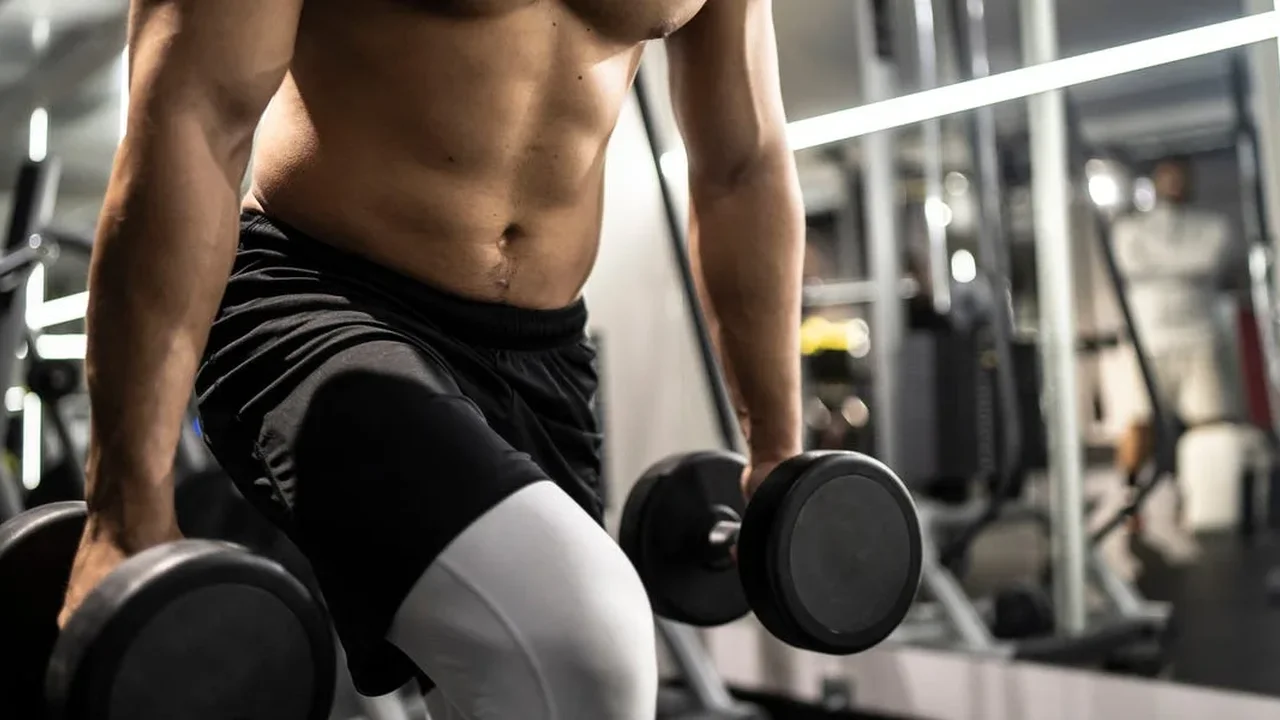
Box squats offer a controlled depth target, making it easier to keep the shins more vertical and maintain form. A vertical-shin lunge or split squat variation can also reduce forward knee pressure by encouraging a hip-dominant pattern. For posterior-chain strength, dumbbell Romanian deadlifts train the glutes and hamstrings while reinforcing hip mobility and hinge mechanics.
The routine also includes reverse sled drags, a low-impact option that combines leg strength and conditioning. By moving backward with the sled, athletes can load the lower body without the same joint stress associated with many traditional leg exercises.
The broader message is clear: knee-aware training does not mean giving up progress. It means choosing movements that support alignment, control, and gradual loading, especially for people returning to exercise or managing sensitive joints. With thoughtful programming, lower-body work can remain both effective and sustainable.
As fitness continues to evolve toward smarter recovery and longevity, knee-friendly training may become a standard part of performance-focused routines.