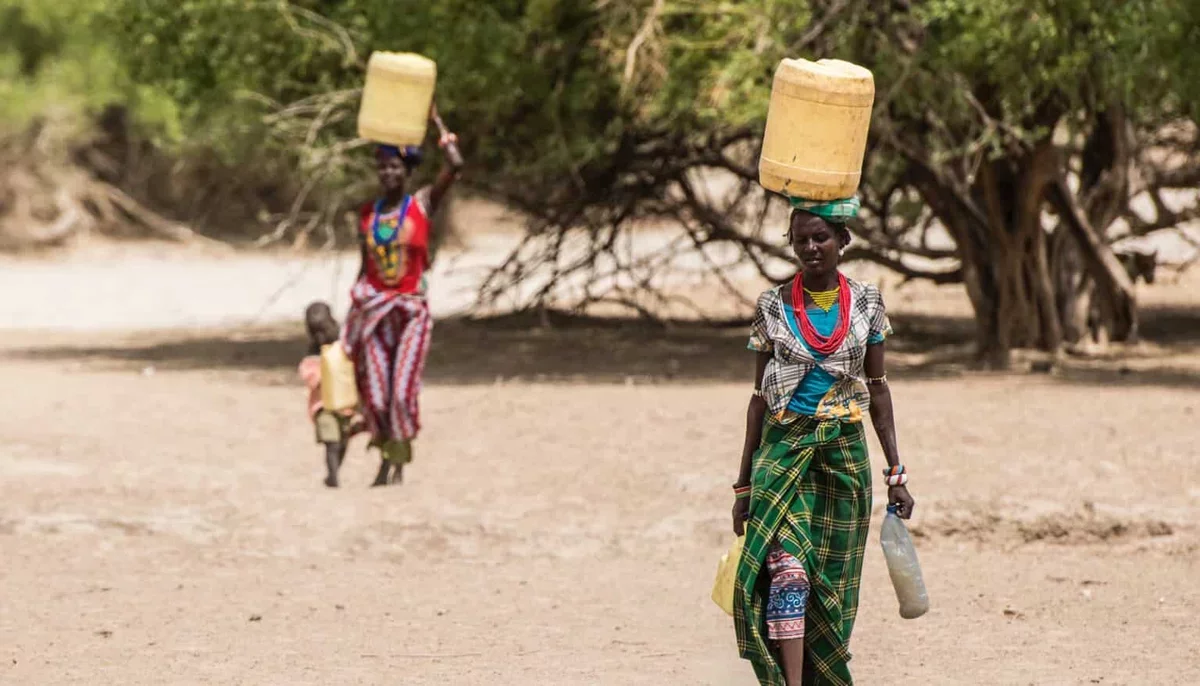
The Turkana people of northwestern Kenya have thrived in one of the world's most arid regions for thousands of years, relying primarily on livestock for sustenance. Their diet, composed mainly of milk, meat, and blood, has enabled them to adapt to extreme temperatures that can soar to 122 degrees Fahrenheit (50 degrees Celsius), all while facing significant water scarcity.
Recent research conducted by an international team of scientists has revealed the genetic adaptations that empower the Turkana to survive in such challenging conditions. By sequencing the genomes of 367 individuals from this community, researchers identified unique evolutionary traits that enhance their kidneys' ability to conserve water and effectively process high levels of animal protein.
However, the very genetic traits that have enabled the Turkana to flourish in their traditional environment are becoming a double-edged sword as they transition to urban lifestyles. With climate change and economic pressures pushing many Turkana into cities, the shift from a nomadic lifestyle to a sedentary one has exposed them to increased risks of chronic health issues, including diabetes and hypertension.
Julien Ayroles, an associate professor of integrative biology at the University of California, Berkeley, emphasizes the significance of this adaptation: "The Turkana have maintained their traditional way of life for thousands of years, offering a unique perspective on human resilience." He notes that while a diet rich in animal protein may be detrimental to most populations, the Turkana have evolved to thrive on it.
Human Adaptation to Extreme Environments
Human populations worldwide have developed specific adaptations to survive in extreme environments. For instance, Tibetans have evolved genetic mutations that allow them to thrive at high altitudes, while the Inuit have adapted to metabolize fat-rich diets without suffering from related health issues. Similarly, the Turkana's genetic adaptations have enabled them to endure the harsh realities of their desert habitat.
Interestingly, despite their environment's challenges, many Turkana individuals consume only about 1.5 liters of water daily, significantly less than what outsiders require. This paradox of chronic dehydration coupled with overall health has intrigued researchers.
The Turkana Health and Genomics Project, which brought together U.S. and Kenyan researchers, analyzed over seven million genetic variants, pinpointing specific genes responsible for their remarkable water conservation abilities. The STC1 gene, in particular, plays a crucial role by helping the kidneys retain water and manage waste products from their protein-rich diet.
Challenges in Urban Transition
While the Turkana's genetic adaptations are impressive, they are less suited for urban environments. Comparisons between rural and urban Turkana reveal a worrying trend: those living in cities face heightened risks of metabolic diseases due to the mismatch between their genetic heritage and modern lifestyles.
Community engagement has been central to this research, highlighting the importance of collaboration in understanding these genetic adaptations. Insights from Turkana community members have been invaluable in connecting genetic findings to their lived experiences.
This groundbreaking research, published in Science, not only brings attention to the Turkana but also underscores the potential for future medical advancements. As climate change continues to challenge global populations, understanding how the Turkana manage dehydration could inspire innovative treatments for kidney-related diseases.
Ultimately, these findings may pave the way for improved health strategies tailored to the Turkana, ensuring they continue to thrive in a rapidly changing world.