Four decades ago, New York City was a stark contrast to its vibrant present. While the early 1980s saw the city recovering from significant challenges, many neighborhoods were still grappling with decay. In this environment, graffiti emerged as a powerful art movement, transforming neglected spaces into canvases filled with creativity. The streets and subway cars became alive with the energy of spray paint and magic markers, showcasing a myriad of tags and cryptic symbols.
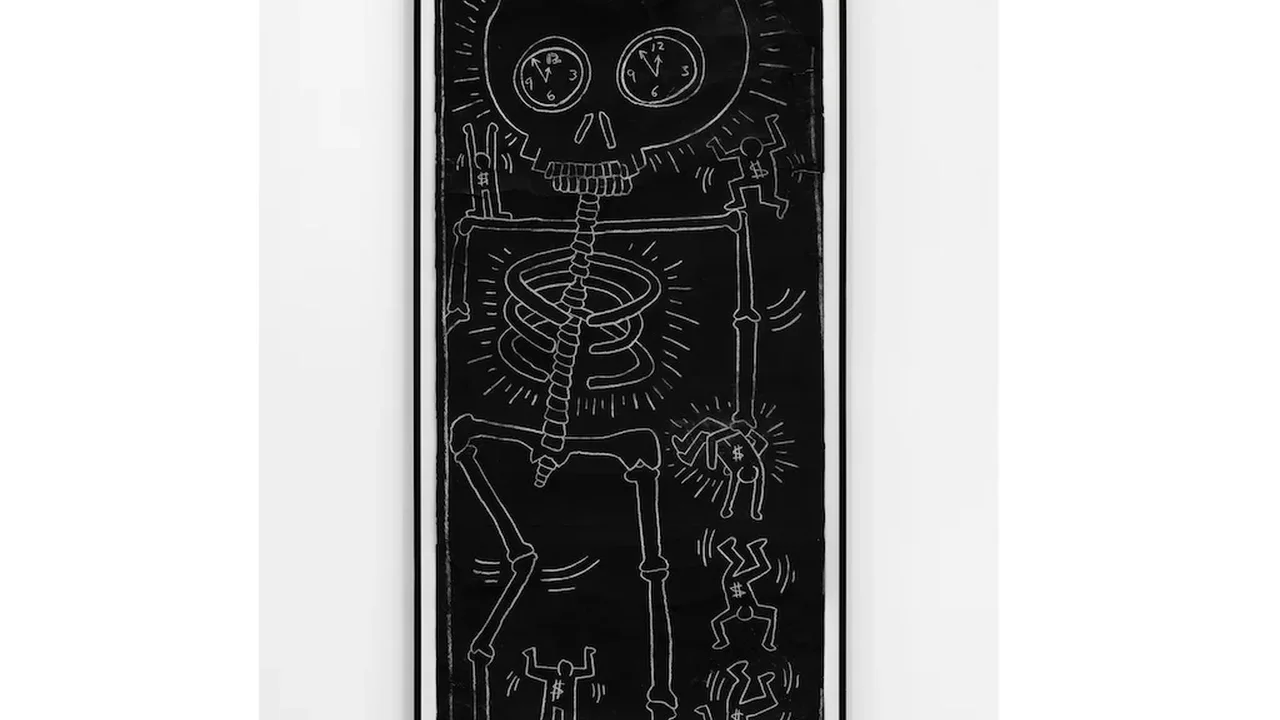
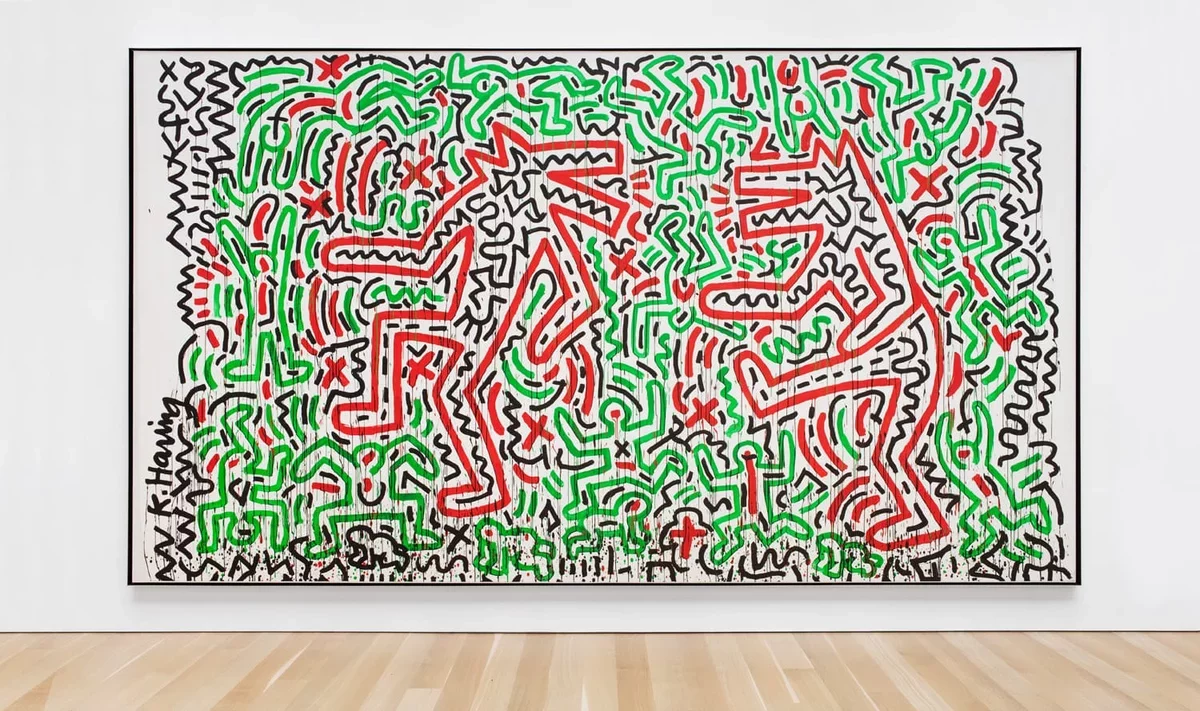
It was during this transformative period that the iconic work of Keith Haring began to surface. Initially perceived as playful doodles, Haring's art, characterized by radiant babies and whimsical figures, has since revealed deeper meanings. A recent visit to the Brant Foundation, which highlights Haring's creations from 1980 to 1983, prompted a reevaluation of this dismissive view. His art indeed carries layers of significance.
The exhibition features Haring's distinctive glyphic figures alongside ancient motifs, biblical references, and surreal imagery that evokes a sense of foreboding. From depictions of worshiping golden calves to UFOs beaming down on nuclear plants, his work encompasses a spectrum of themes, including societal issues and existential questions. The juxtaposition of joyful figures against darker themes invites viewers to reflect on the complexities of human experience.
What once seemed merely energetic now resonates with a sense of urgency and perhaps a prophetic quality. Haring's art reflects themes of overcrowding, suffering, and a loss of identity, suggesting a world where empathy is scarce. This shift in perception may stem from contemporary societal challenges, including the rise of disconnection in our increasingly digital lives.
Haring's unique style transcends typical artistic boundaries, feeling remarkably relevant in today's context. His work can be seen as a prescient commentary on the challenges posed by emerging technologies and societal shifts. While he is not alone in exploring these themes--artists like Mark Kostabi and Jeff Koons also delve into similar apocalyptic motifs--Haring's distinctive voice stands out.
As we navigate the complexities of modern life, Haring's art remains a poignant reminder of the power of creativity to address pressing issues. Reflecting on his journey from the vibrant streets of a bygone New York to the present, it's clear that his work continues to inspire dialogue and introspection. The exhibition at the Brant Foundation, curated by Dieter Buchhart and Anna Karina Hofbauer, runs through May 31, inviting audiences to engage with Haring's legacy.