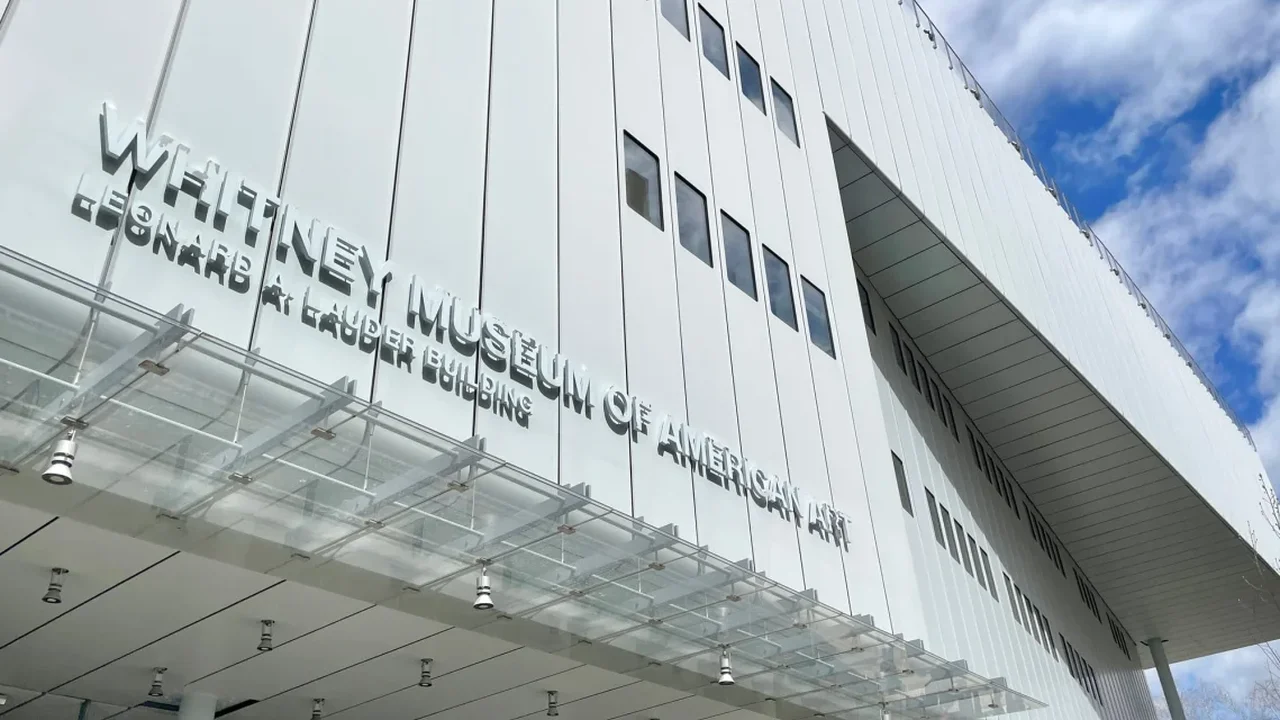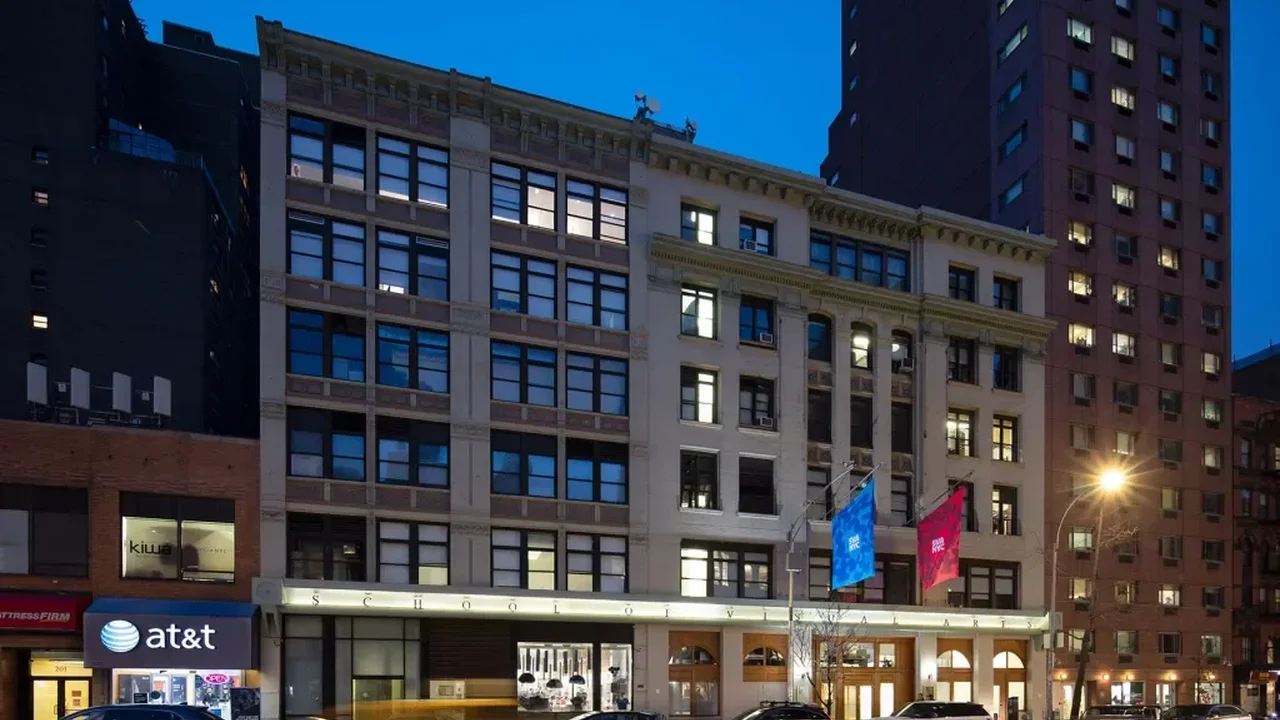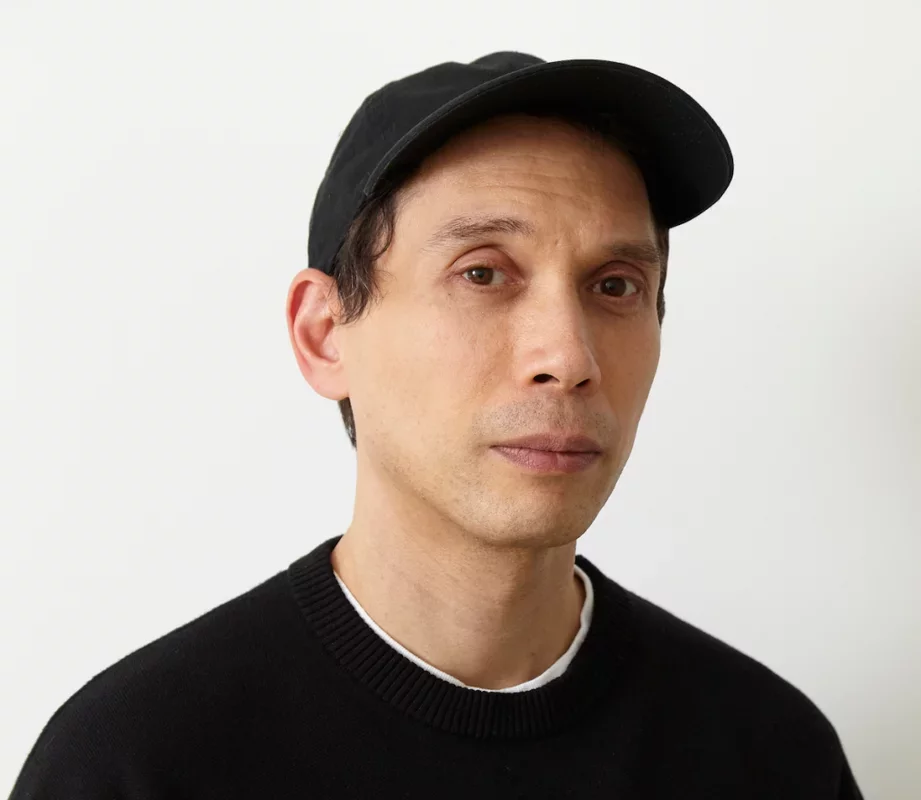
In 2011, Andrea Fraser asserted that "what has been good for the art world has been disastrous for the rest of the world." Fifteen years later, this sentiment remains relevant. The recent essay by artist Josh Kline, titled "New York Real Estate and the Ruin of American Art," has captivated the New York art scene, generating discussions across social media platforms among artists, critics, curators, and dealers alike.
Published by October, Kline's essay presents a poignant critique of the New York art landscape, reflecting on the challenges faced by artists today. It serves as both a lament for the vibrant art community of the 2010s, which helped shape Kline's career, and a sharp examination of the privileges necessary for success in the current environment. This piece has gained significant traction, a rarity for essays in October.
Kline articulates the unsustainable nature of being a mid-career artist in New York, highlighting issues such as skyrocketing rents and systemic imbalances within the art market. He emphasizes that the city's art scene has become a core problem for American artists, suggesting that the future lies beyond its confines.
In a candid email exchange, Kline elaborated on his motivations for writing the essay, stating, "If we don't understand the world we're living in and where it comes from, we can't build a better one." He believes that artists must confront the realities shaping their industry, particularly the financial barriers that exclude diverse voices from the art community.
Kline's writing style is notable for its clarity and humor, diverging from the often jargon-laden discourse typical of academic journals. He argues that accessible communication is essential for engaging a wider audience, stating, "Clear, accessible, and effective communication is a political choice." This approach invites a broader dialogue about the pressing challenges facing artists today.
One of Kline's key points is the need for a shift from institutional critique to industry critique. He advocates for a reevaluation of how artist-run spaces operate, emphasizing that true support for artists must come from within their communities rather than from corporate entities.
Kline's essay also touches on generational wealth and its impact on the art world, urging a conversation about class and race that is often sidelined by those in power. He suggests that improving entry-level salaries in the art sector could pave the way for a more inclusive industry.
Ultimately, Kline's work calls for a transformative vision for the future of art, where artists can thrive beyond the constraints of New York City. He encourages his peers to explore new environments that foster creativity and collaboration, positing that the potential for artistic innovation lies in places where costs are manageable and communities can flourish.
This thought-provoking essay not only sheds light on the current state of the art world but also inspires a hopeful outlook for the future, where artists can reclaim their agency and redefine the cultural landscape.