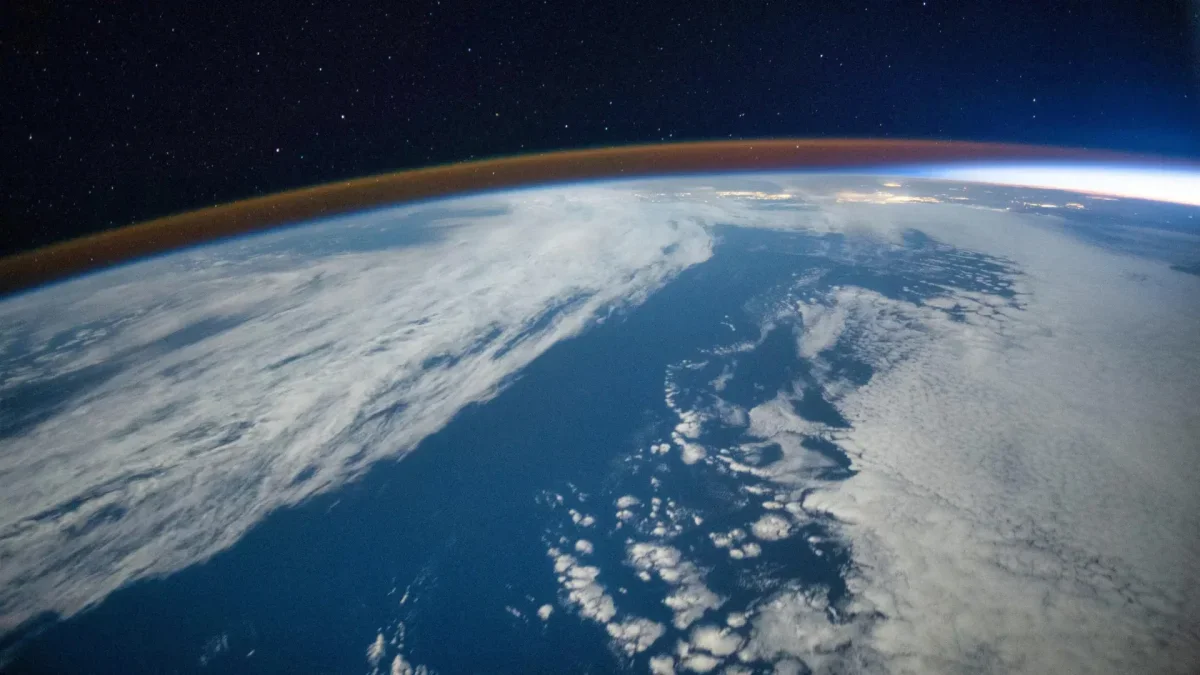
Researchers from Lancaster University have revealed that between 2000 and 2022, approximately 335,500 tonnes of trifluoroacetic acid (TFA) have been deposited from the atmosphere onto the Earth's surface. This alarming figure is largely attributed to the breakdown of CFC replacement chemicals and certain anesthetics.
The research indicates that TFA pollution is on the rise, with projections suggesting that annual TFA production could peak between 2025 and 2100. These replacement chemicals can persist in the atmosphere for decades, contributing to an ongoing environmental challenge.
Understanding TFA
The study, published in Geophysical Research Letters, utilized advanced chemical transport modeling to analyze the movement of these chemicals in the atmosphere and their eventual deposition. The researchers focused on the breakdown of hydrochlorofluorocarbons (HCFCs) and hydrofluorocarbons (HFCs), which are commonly used in refrigeration and air conditioning systems.
Despite efforts to phase out these substances under the Montreal Protocol and the Kigali Amendment, their atmospheric levels continue to rise. TFA belongs to a broader group of synthetic chemicals known as per- and polyfluorinated alkyl substances (PFAS), often referred to as "forever chemicals" due to their persistence in the environment.
Environmental and Health Concerns
While scientists are still investigating the long-term effects of TFA, it has been classified as harmful to aquatic life by the European Chemicals Agency. TFA has also been detected in human blood and urine, raising concerns about its potential toxicity to human reproduction.
Although some agencies assert that current environmental levels are safe, the accumulation of TFA poses a challenge as it may be difficult to eliminate once it contaminates the environment. This growing concern has led to discussions about TFA as a potential planetary boundary threat.
Lead researcher Lucy Hart emphasized the significance of their findings: "Our study shows that CFC replacements are likely to be the dominant atmospheric source of TFA, highlighting the broader regulatory risks associated with substituting harmful chemicals."
Global Tracking of TFA
The research team validated their findings by comparing modeled estimates of TFA production with real-world data, including rainwater measurements and Arctic ice cores. Their model incorporated data from a global monitoring network that tracks atmospheric concentrations of the source gases, revealing that TFA can return to Earth through precipitation or settle directly onto land and water.
Remarkably, the study found that nearly all TFA detected in the Arctic originates from CFC replacement chemicals, illustrating the global reach of these substances.
Future Implications of Refrigerants
Additionally, the researchers identified HFO-1234yf, a refrigerant used in vehicle air conditioning systems, as an emerging contributor to TFA levels. "HFOs are marketed as environmentally friendly alternatives to HFCs, but several are known to form TFA," noted Professor Ryan Hossaini.
As TFA pollution continues to be a pressing issue, researchers call for enhanced monitoring and a deeper understanding of its environmental impacts. "This study underscores the urgent need for international collaboration to address TFA pollution and its implications for our planet's health," concluded Professor Hossaini.